Understanding MIP in Plumbing: What Does It Stand For?
When diving into the world of plumbing, acronyms like MIP can be confusing, especially for homeowners and DIY enthusiasts. Understanding these terms — along with related ones like FIP, NPT, DWV, and P-trap — is crucial for successful plumbing projects and avoiding costly mistakes. In this article, we explore what MIP stands for in plumbing, its applications, and how it compares to other common fittings and terms you’re likely to encounter.
What Does MIP Stand For?
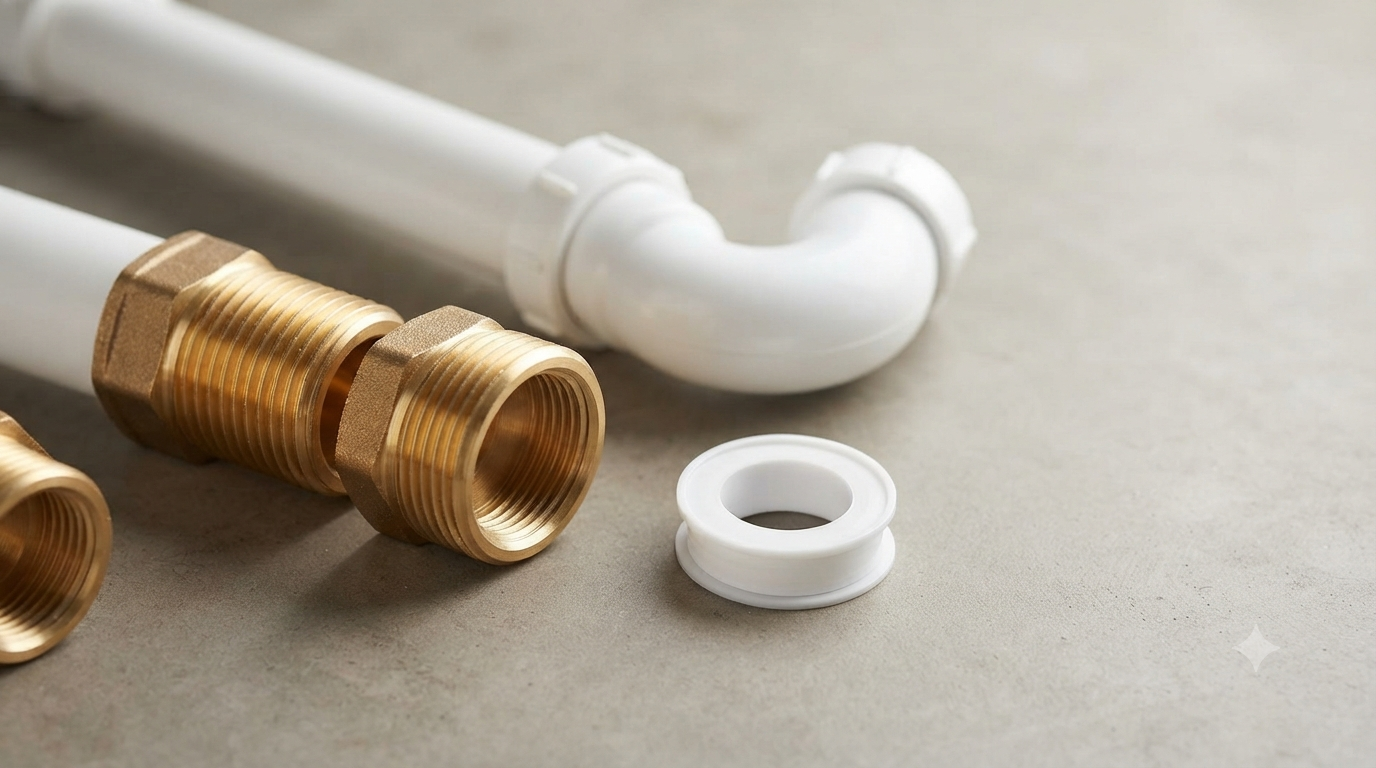
MIP stands for Male Iron Pipe. It refers to a type of threaded pipe fitting used extensively in plumbing systems. These fittings are characterized by their external threads, which allow them to be screwed into corresponding Female Iron Pipe fittings. MIP fittings are crucial for creating secure, leak-proof plumbing connections.
MIP vs. Other Plumbing Terms
Differences Between MIP and FIP
While MIP refers to male-threaded fittings, FIP denotes Female Iron Pipe fittings, which possess internal threads. If you’ve come across the term FIP in plumbing and weren’t sure what it meant, think of it as the counterpart to MIP: MIP threads screw into FIP threads, and together they create a tight seal in plumbing systems. Understanding the difference between MIP and FIP is essential for choosing the right fittings and ensuring compatibility in your projects.
Comparison with NPT and Other Standards
Another critical term in plumbing is NPT, or National Pipe Thread. If you’re wondering what NPT means in plumbing, it’s the tapered thread standard that most MIP and FIP fittings are actually manufactured to. Like MIP, NPT fittings are threaded, but they adhere to a specific standard for tapering and thread pitch. While MIP and NPT can often be used interchangeably, it’s important to verify compatibility based on the specific requirements of your plumbing setup.
Other Common Plumbing Abbreviations You Should Know
Once you understand MIP, FIP, and NPT, a couple of other terms tend to come up often in plumbing conversations and product listings: DWV and P-trap.
What does DWV stand for in plumbing? DWV stands for Drain-Waste-Vent, the system of pipes responsible for carrying wastewater out of your home and allowing sewer gases to vent safely outside rather than back into your living space. DWV pipe is typically PVC or ABS and is sized and sloped differently than water supply lines, since it relies on gravity rather than pressure.
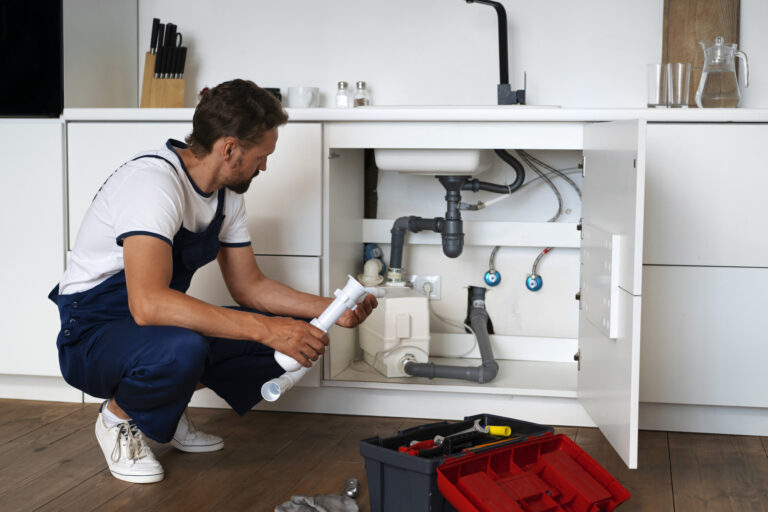
What is a P-trap in plumbing? A P-trap is the curved section of pipe installed beneath sinks, tubs, and other drains. Shaped like the letter “P” on its side, it holds a small amount of water at all times, which creates a seal that blocks sewer gases from rising up through the drain and into your home. P-traps are a standard part of any DWV system and are required by plumbing code under virtually every fixture drain.
Applications of MIP in Plumbing
MIP fittings are versatile and used in various plumbing applications, both residential and commercial. They are commonly found in:
- Connecting galvanized steel pipes
- Joining brass fittings
- Creating secure connections in water supply lines
- Gas piping systems
Their durability and strength make them a popular choice for projects requiring robust and reliable connections.
How to Identify MIP Fittings
Identifying MIP fittings is relatively straightforward. Look for the external threads on the fitting, which resemble the threads on a bolt. These threads are designed to fit inside the internal threads of an FIP fitting. Visual guides and diagrams can be incredibly helpful in distinguishing these fittings, especially for beginners.
Materials and Durability of MIP Fittings
MIP fittings are typically made from materials like galvanized steel and brass. These materials offer excellent corrosion resistance and durability, making them suitable for various applications. It’s important to choose the right material based on the specific needs of your plumbing system, whether it’s for potable water, gas, or other fluids.
Troubleshooting Common Issues
Even with the best materials, issues can arise with MIP fittings. Common problems include leaks due to improper threading or lack of thread sealant. To address these issues:
- Ensure proper alignment when threading MIP into FIP fittings.
- Use thread sealant or pipe thread tape to enhance the seal.
- Inspect the fitting for any signs of damage or wear before installation.
FAQs About MIP in Plumbing
What does MIP mean in plumbing terms? MIP stands for Male Iron Pipe, referring to a type of external-threaded pipe fitting.
How do MIP fittings differ from FIP? MIP fittings have external threads, while FIP fittings have internal threads, designed to complement each other.
What does NPT mean in plumbing? NPT stands for National Pipe Thread, a tapered threading standard that many MIP and FIP fittings follow to ensure a leak-proof fit.
What does DWV stand for in plumbing? DWV stands for Drain-Waste-Vent, the piping system that removes wastewater and vents sewer gases safely out of a building.
What is a P-trap in plumbing used for? A P-trap is the curved pipe beneath a drain that holds standing water to block sewer gases from entering the home.
Why choose MIP fittings over others? MIP fittings are durable, reliable, and suitable for a wide range of plumbing applications.
Can MIP and NPT fittings be used together? Yes, but verify compatibility based on the specific standards of your plumbing project.
What materials are MIP fittings made of? Common materials include galvanized steel and brass, known for their durability and resistance to corrosion.
How to install an MIP fitting? Thread the MIP fitting into an FIP fitting, ensuring alignment, and use thread sealant for a secure connection.
Are MIP fittings suitable for gas piping? Yes, MIP fittings are often used in gas piping systems due to their robust construction.
Understanding MIP fittings — along with related terms like FIP, NPT, DWV, and P-trap — is essential for anyone involved in plumbing. By recognizing their applications, differences from other fittings, and troubleshooting common issues, you can ensure a successful plumbing project. For further assistance, consider consulting with plumbing professionals or referring to detailed guides and visual resources.