How to Remodel Plumbing: A Complete Guide
Embarking on a plumbing remodel can transform your home’s functionality and efficiency. Whether you’re upgrading an outdated system or redesigning the layout for better performance, understanding the ins and outs of plumbing renovation is crucial. This comprehensive guide will walk you through everything you need to know about remodeling plumbing, from planning and materials to common pitfalls and budgeting tips.
Introduction
Plumbing remodeling is more than just replacing old pipes or fixtures. It’s about creating a system that meets your current needs while preparing for future demands. Modern plumbing solutions offer energy-efficient options, smart technologies, and sustainable practices, making this an exciting time to consider upgrades. But where do you start, and how do you ensure a successful remodel? Let’s dive into the essential steps and considerations.
Essential Tools and Materials
Tools Overview
Before you begin, gather the necessary tools to streamline your remodel. Essential tools include a pipe cutter, wrench set, pliers, and a drain auger. For more advanced projects, you may need a soldering kit or a pipe threading tool. Having the right tools on hand can make the difference between a smooth project and a frustrating one.
Comprehensive Materials List
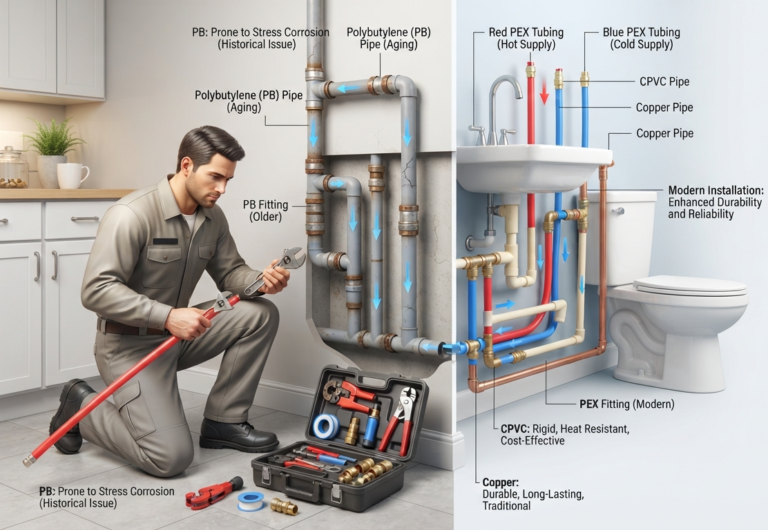
Your materials list will vary depending on the scope of your remodel. Common materials include PVC pipes, copper tubing, valves, and sealants. Consider investing in eco-friendly materials, which can reduce water usage and enhance sustainability. Quality materials ensure durability and compliance with plumbing codes, minimizing future repairs.
Planning Your Plumbing Remodel
Assessing Current Systems
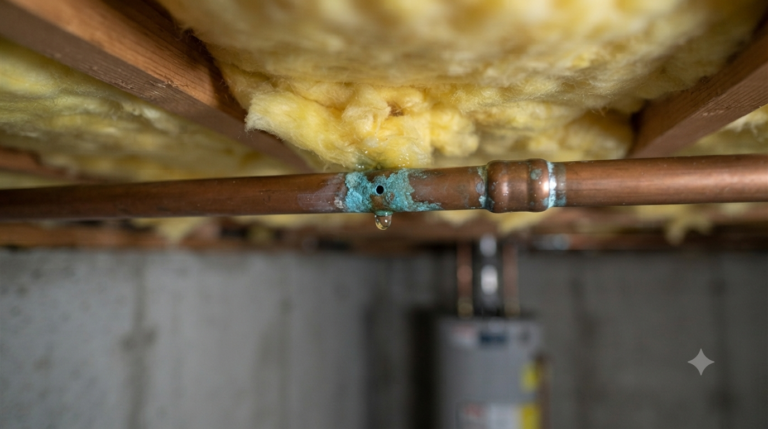
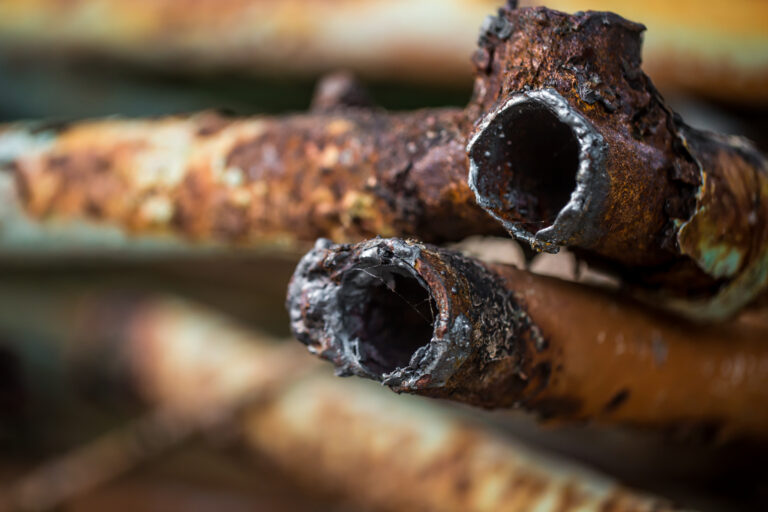
Start by evaluating your existing plumbing system. Identify outdated or faulty components and assess whether the current layout meets your needs. This assessment helps determine the scope of your project and informs the design of a more efficient system.
Creating a New Layout
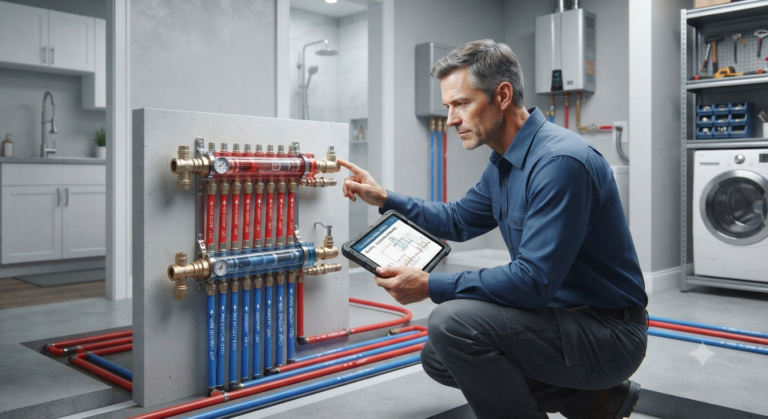
Redesigning your plumbing layout can improve water flow and accessibility. Consider the placement of fixtures, water lines, and drainage systems. Utilize design software or consult with a professional to visualize the new layout and ensure it complies with local plumbing codes.
Step-by-Step Remodeling Process
Preparing for Demolition
Begin by shutting off the water supply and draining the system. Carefully remove old pipes and fixtures, taking precautions to avoid damage to existing structures. Proper demolition sets the stage for a successful installation of new components.
Installing New Pipes and Fixtures
With the demolition complete, proceed with installing new pipes and fixtures. Follow your layout plan closely, ensuring all connections are secure and leak-free. Consider upgrading to smart plumbing technologies for enhanced control and monitoring.
Conducting Tests and Inspections
Once installation is complete, conduct thorough tests to check for leaks, pressure issues, and proper drainage. It’s crucial to have a professional inspection to confirm that all systems meet regulatory standards and function as intended.
Cost Considerations and Budgeting
Budgeting is a critical aspect of any remodel. Costs can vary widely depending on materials, labor, and the complexity of the project. Research average costs and obtain multiple quotes from contractors if you choose not to DIY. Including a contingency fund in your budget helps manage unexpected expenses.
DIY vs. Professional Services
Deciding between a DIY approach and hiring professionals depends on your skill level and the project’s complexity. While DIY can save money, it requires significant time and expertise. Professional services offer assurance of quality and compliance but at a higher cost. Weigh the pros and cons before making a decision.
Common Mistakes to Avoid
Avoid common pitfalls by planning thoroughly and adhering to codes. Mistakes such as incorrect pipe installation or neglecting permits can lead to costly repairs. Educate yourself on potential issues and take proactive measures to prevent them.
Additional Tips and Conclusion
Successful plumbing remodeling combines careful planning, quality materials, and skilled execution. Consider using innovative fixtures and sustainable practices to enhance your project’s value. Whether you’re upgrading for efficiency or aesthetic reasons, a well-executed remodel can significantly improve your home’s functionality and appeal.
Read Also: What is PEX Plumbing
Frequently Asked Questions
- How much does a plumbing remodel cost? The cost varies based on factors like project size, materials, and labor. On average, expect to spend between $1,500 to $15,000.
- How long does a plumbing remodel take? Depending on the complexity, a remodel can take anywhere from a few days to several weeks.
- What are the common mistakes in plumbing remodeling? Common errors include improper pipe sizing, neglecting permits, and using low-quality materials.
- How do I ensure my plumbing remodel complies with local codes? Consult local building codes and consider hiring a professional to review your plans and work.
Ready to transform your home with a plumbing remodel? Whether you choose to DIY or hire professionals, remember that thorough planning and quality materials are key to a successful project. Explore sustainable options and smart technologies to enhance your system’s efficiency and longevity.