What Is Plumbing? A Complete Guide to How Plumbing Systems Work
Plumbing is one of the most important systems in any home or commercial building, yet most people don’t think about it until something goes wrong. Every time you turn on a faucet, flush a toilet, or take a hot shower, you’re relying on a carefully designed network of pipes, fixtures, and drains that work together behind the scenes.
So, what is plumbing? and how to organize plumbing? Simply put, plumbing is the system that delivers clean water where it’s needed and safely removes wastewater. It plays a vital role in maintaining hygiene, comfort, and the overall functionality of a building.
Whether you’re a homeowner, a renter, or someone interested in home maintenance, understanding the basics of plumbing can help you prevent costly problems and make better decisions when repairs or upgrades are needed.
What Is Plumbing?
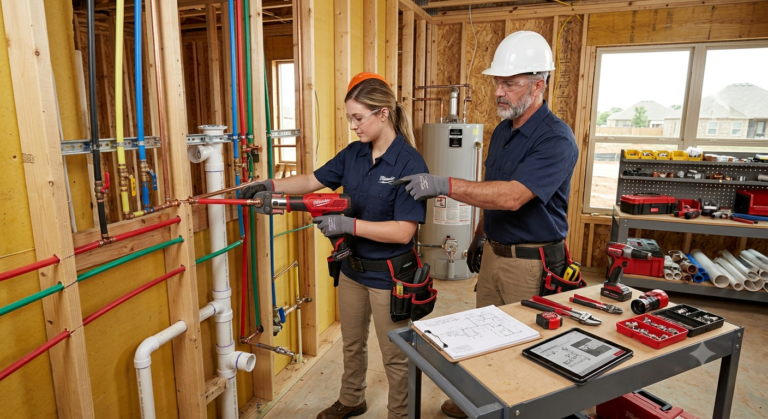
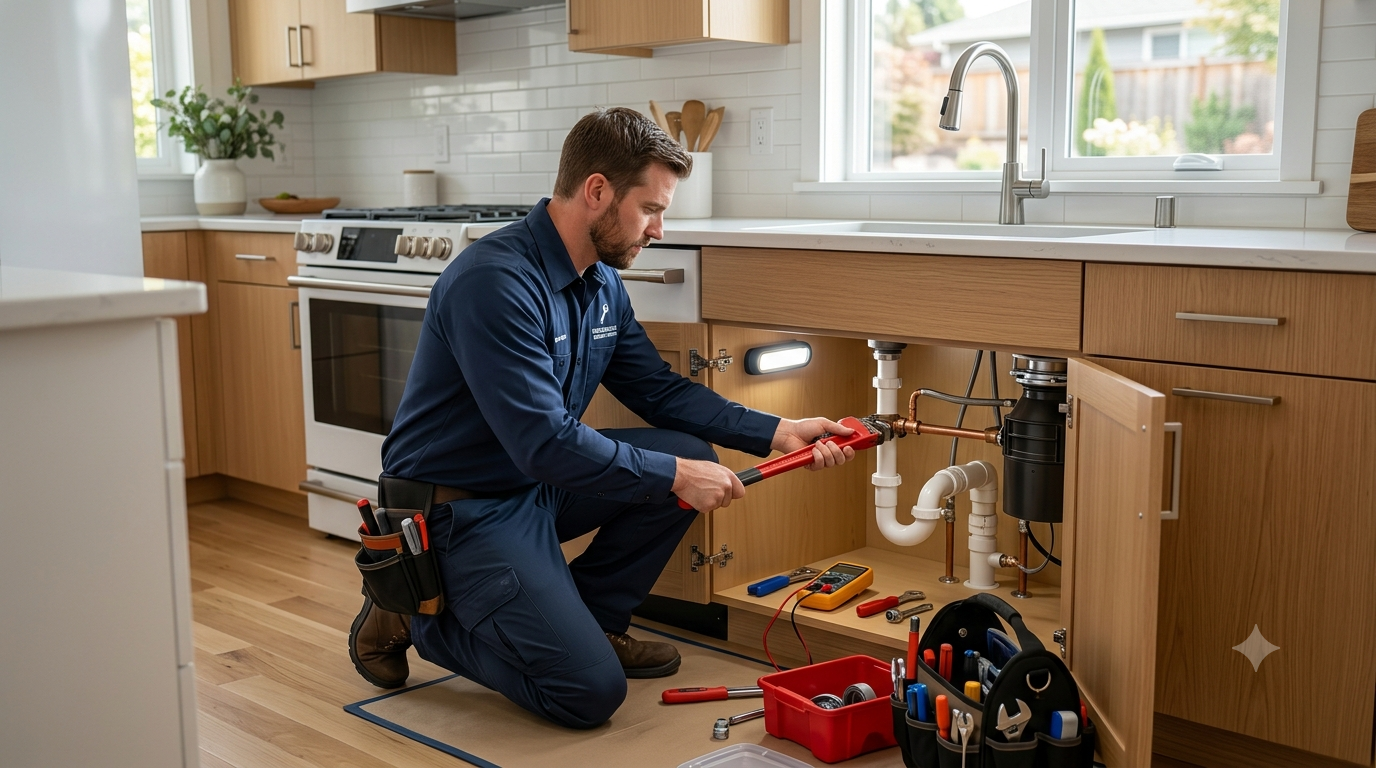
Plumbing is the installation, maintenance, and repair of systems that transport water, gas, and waste through pipes. These systems ensure that clean water reaches kitchens, bathrooms, laundry rooms, and appliances while wastewater is carried safely to a sewer or septic system.
A modern plumbing system is designed to provide reliable access to fresh water while protecting occupants from contamination and water damage. It includes a wide range of components, from underground supply lines to indoor fixtures such as sinks, toilets, showers, and water heaters.
Without plumbing, daily tasks like cooking, cleaning, bathing, and washing clothes would be far more difficult and less sanitary.
Why Plumbing Is So Important
Plumbing affects nearly every aspect of daily life. A properly functioning system helps maintain home plumbing system a clean, healthy, and comfortable living environment.
Some of the key benefits of a well-maintained plumbing system include:
- Reliable access to clean drinking water
- Safe removal of wastewater
- Improved hygiene and sanitation
- Protection against water damage
- Efficient water usage
- Greater comfort and convenience
Modern plumbing also supports energy-efficient appliances and water-saving fixtures, helping homeowners reduce utility bills while conserving natural resources.
Main Parts of a Plumbing System
Although plumbing systems may vary from one property to another, most include three essential components.
Water Supply System
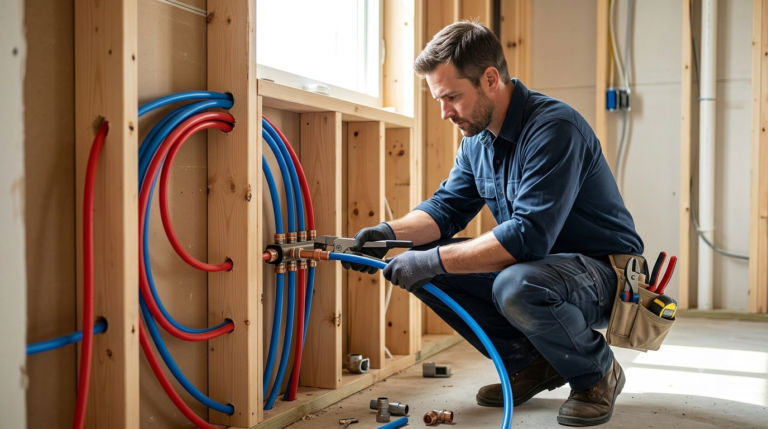
The water supply system brings fresh, clean water into your home through a network of pipes. Water typically enters from a municipal water supply or a private well before being distributed throughout the building.
This system supplies water to:
- Kitchen faucets
- Bathroom sinks
- Showers and bathtubs
- Toilets
- Washing machines
- Dishwashers
- Outdoor hose connections
Water pressure ensures that water flows smoothly whenever a fixture is used.
Drainage System
After water has been used, it needs to be removed safely. The drainage system carries wastewater away from sinks, toilets, showers, and appliances through a separate network of pipes.
Unlike the water supply system, drainage relies mostly on gravity rather than water pressure. Proper drainage prevents backups, unpleasant odors, and potential health hazards.
Vent System
Many people overlook plumbing vents, but they are essential for proper drainage.
Vent pipes allow air to enter the plumbing system, balancing pressure inside the pipes. This helps wastewater flow freely while preventing sewer gases from entering the home.
Without proper venting, drains may become slow, noisy, or completely blocked.
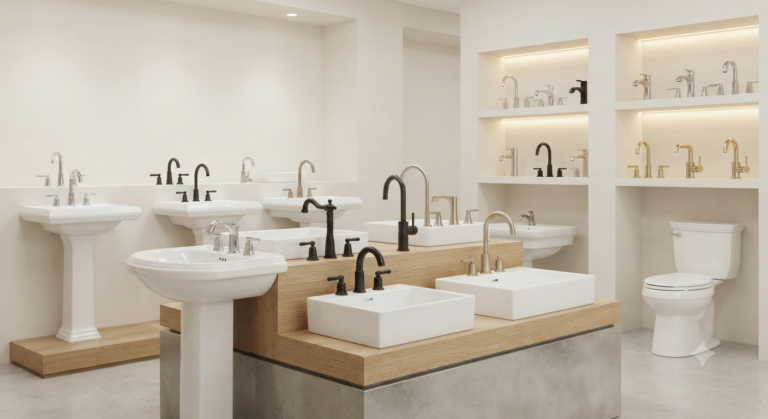
Common Plumbing Fixtures
Plumbing systems connect to numerous fixtures that people use every day.
Some of the most common include:
- Kitchen sinks
- Bathroom sinks
- Toilets
- Showers
- Bathtubs
- Water heaters
- Washing machines
- Dishwashers
- Garbage disposals
- Outdoor faucets
Each fixture is connected to both the water supply and drainage system, allowing water to flow in and wastewater to flow out efficiently.
Types of Plumbing Systems
Different buildings require different plumbing setups depending on their size, location, and purpose.
Residential Plumbing
Residential plumbing serves single-family homes, apartments, and condominiums. These systems focus on everyday household water needs, including kitchens, bathrooms, and laundry areas.
Home plumbing is generally less complex than commercial systems but still requires regular maintenance to remain efficient.
Commercial Plumbing
Commercial plumbing is designed for offices, restaurants, schools, hospitals, hotels, and retail buildings.
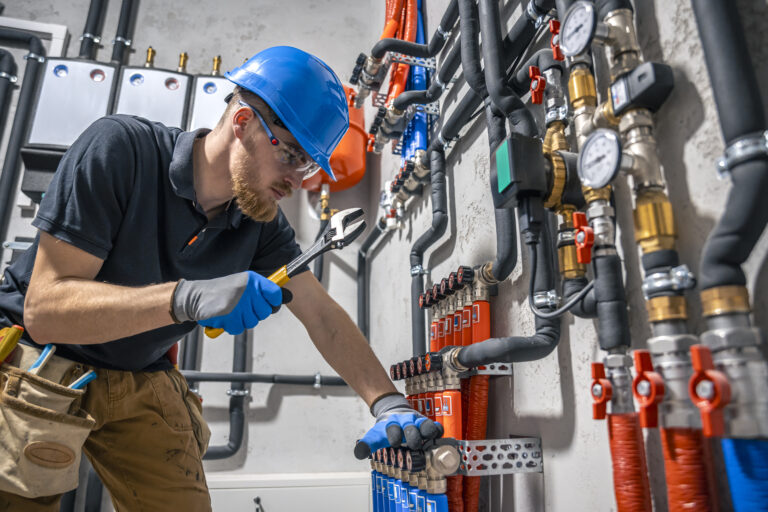
These systems handle much higher water demand and often include larger pipes, additional drainage systems, commercial water heaters, and specialized equipment.
Because commercial buildings serve more occupants, plumbing systems must meet stricter building codes and safety standards.
Industrial Plumbing
Industrial plumbing supports factories, manufacturing plants, warehouses, and processing facilities.
These systems may transport not only water but also chemicals, compressed gases, steam, and specialized industrial fluids. Industrial plumbing requires advanced engineering and strict safety procedures.
Common Plumbing Problems
Even well-maintained plumbing systems can develop issues over time. Recognizing problems early can help prevent expensive repairs.
Some of the most common plumbing problems include:
Leaking Faucets
A dripping faucet may seem minor, but it can waste a significant amount of water over time and increase utility bills.
Clogged Drains
Hair, grease, soap residue, and food particles often build up inside drainpipes, causing slow drainage or complete blockages.
Running Toilets
A toilet that continues running after flushing wastes water and usually indicates a worn internal component.
Low Water Pressure
Reduced water pressure can result from mineral buildup, leaks, damaged pipes, or problems with the municipal water supply.
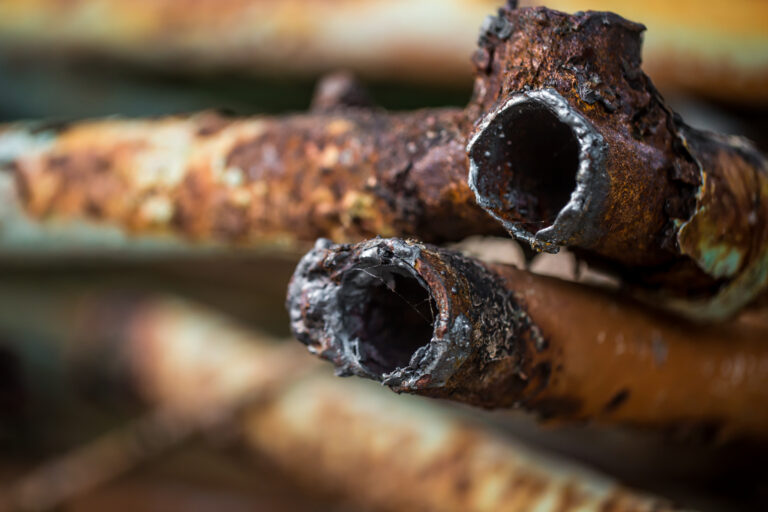
Burst Pipes
Frozen temperatures, corrosion, or excessive water pressure can cause pipes to burst, resulting in severe water damage if not addressed immediately.
How to Maintain Your Plumbing System
Routine maintenance helps extend the lifespan of your plumbing system and reduces the risk of unexpected repairs.
Here are some practical maintenance tips:
- Fix small leaks promptly.
- Avoid pouring grease down kitchen drains.
- Use drain strainers to catch hair and debris.
- Insulate exposed pipes in cold weather.
- Check your water heater regularly.
- Inspect visible pipes for corrosion or leaks.
- Know where your home’s main water shut-off valve is located.
Simple preventive care can save thousands of dollars in future repair costs.
Signs Your Plumbing Needs Professional Attention
Some plumbing issues require immediate assistance from a qualified professional.
Contact a plumber if you notice:
- Persistent leaks
- Water stains on walls or ceilings
- Sewage odors inside the home
- Frequently clogged drains
- Unusually high water bills
- No hot water
- Gurgling drains
- Water backing up into sinks or tubs
Ignoring these warning signs can allow small issues to become major plumbing emergencies.
Modern Trends in Plumbing
Today’s plumbing systems are becoming more efficient and environmentally friendly than ever before.
Many homeowners are upgrading to:
- Low-flow toilets
- Water-saving faucets
- Tankless water heaters
- Leak detection devices
- Smart water shut-off valves
- High-efficiency fixtures
These improvements help conserve water, reduce energy consumption, and improve overall system reliability.
As technology continues to evolve, plumbing systems are becoming smarter, making it easier to detect leaks early and monitor water usage from a smartphone.
Conclusion
Plumbing is much more than a collection of pipes hidden behind walls. It is a carefully designed system that delivers clean water, removes wastewater, and supports the comfort, health, and safety of every building. From supplying fresh drinking water to protecting homes from water damage, plumbing plays a critical role in everyday life.
Understanding how plumbing works allows homeowners to identify problems early, perform basic maintenance, and appreciate the engineering behind modern water systems. Whether you’re maintaining an older home or moving into a newly built property, knowing the fundamentals of plumbing can help you keep your system running efficiently for years to come.