What is PEX Plumbing? A Comprehensive Guide
In the realm of modern plumbing solutions, PEX plumbing stands out as a popular choice for both residential and commercial applications. But what exactly is PEX plumbing, and why is it gaining traction among homeowners and professionals alike? Whether you’re considering an upgrade or are simply curious about this versatile material, understanding PEX plumbing is essential for making informed decisions about your home plumbing systems.
Introduction to PEX Plumbing
PEX, or cross-linked polyethylene, is a type of flexible pipe plumbing that has transformed the way plumbing systems are designed and installed. Unlike traditional materials such as copper or PVC, PEX offers a unique combination of flexibility, durability, and cost-effectiveness. This makes it an attractive option for both new installations and retrofits. But how does it work, and what makes it different from other plumbing materials?
Benefits of PEX Plumbing
Flexibility and Ease of Installation
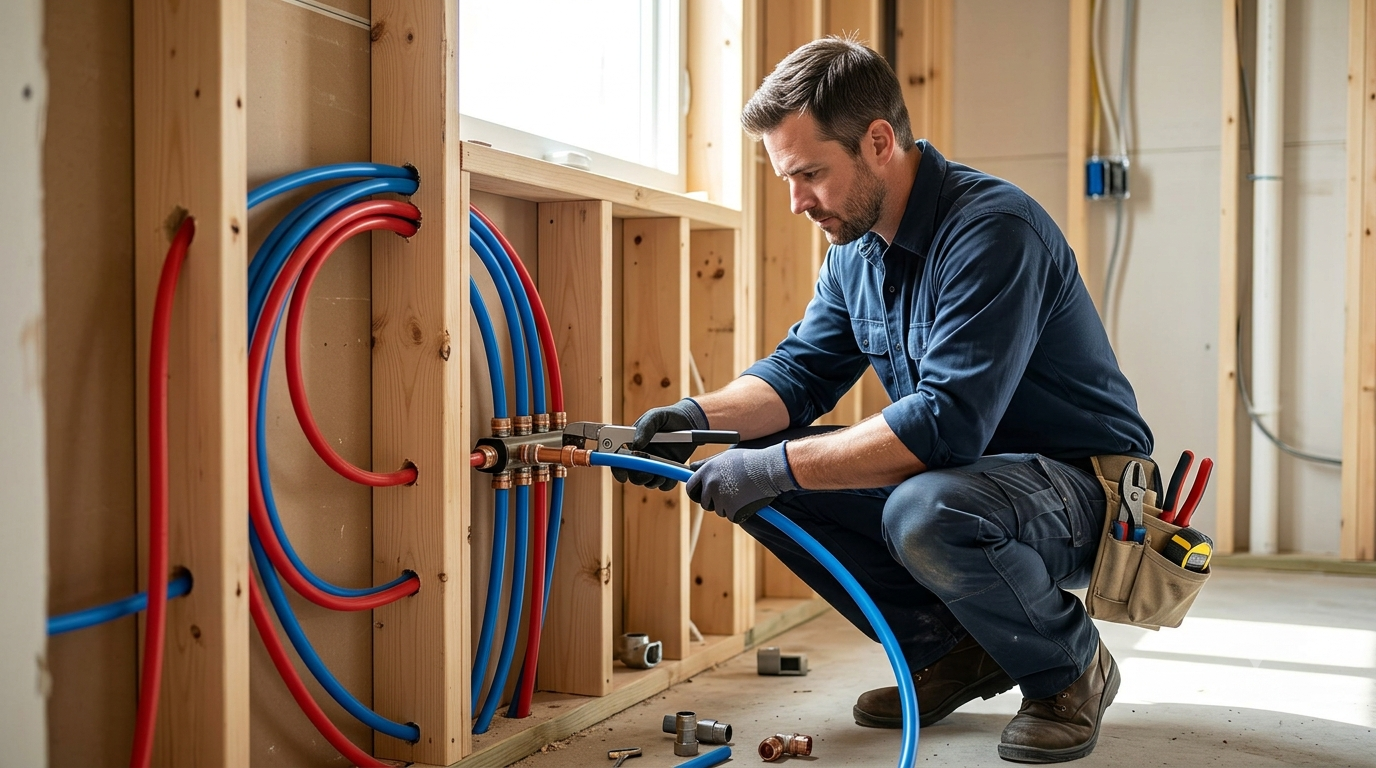
One of the standout features of PEX plumbing is its flexibility. This characteristic allows for easier installation, as the tubing can be bent around corners and through walls without the need for additional fittings. This not only reduces the risk of leaks but also saves time and labor costs during installation.
Cost-Effectiveness
Compared to copper, PEX is significantly more affordable, both in terms of the material itself and the labor required for installation. The reduced number of fittings and connectors translates to lower costs, making PEX a budget-friendly option for many homeowners.
PEX vs. Traditional Plumbing Materials
PEX vs. Copper
Copper has long been a standard in plumbing due to its durability and resistance to corrosion. However, PEX offers similar longevity with added flexibility, making it easier to install in tight spaces. Moreover, PEX is less susceptible to scaling and corrosion, which can affect copper over time.
PEX vs. PVC
While PVC is another common plumbing material, it lacks the flexibility of PEX. PVC is also more prone to cracking under freezing conditions, whereas PEX can expand slightly, reducing the risk of burst pipes.
Installation Process
Tools and Materials Needed
- PEX tubing
- PEX fittings and connectors
- Crimp or clamp tools
- Pipe cutter
Step-by-Step Guide
- Measure and cut the PEX tubing to the desired length using a pipe cutter.
- Slide a crimp ring over the end of the tubing.
- Insert the fitting into the tubing.
- Position the crimp ring 1/8 inch from the end of the tubing and use a crimp tool to secure it.
- Check the connection with a go/no-go gauge to ensure a proper seal.
Common Uses and Applications
PEX plumbing is widely used in residential plumbing systems for both hot and cold water lines. Its adaptability makes it ideal for applications ranging from underfloor heating systems to potable water distribution. Furthermore, PEX is increasingly being utilized in high-rise buildings due to its reduced weight and ease of installation.
Maintenance and Durability
PEX plumbing is known for its low maintenance requirements. Unlike metal pipes, it does not corrode or scale, and it is resistant to chlorine and other chemicals found in water. Its durability is evidenced by a lifespan that can exceed 50 years, making it a reliable long-term plumbing solution.
Cost Analysis and Considerations
When evaluating the cost of PEX plumbing, it’s important to consider both material and labor expenses. While the initial cost of materials is lower than that of copper, the real savings come from reduced installation time. This makes PEX an economically attractive option for large projects and budget-conscious homeowners.
Environmental Impact of PEX
PEX is considered a more environmentally friendly option compared to traditional materials due to its long lifespan and reduced energy requirements for production. However, it is important to note that PEX is not recyclable, which can be a consideration for environmentally conscious consumers.
Frequently Asked Questions (FAQs)
What is PEX plumbing used for?
PEX plumbing is used for a variety of applications, including residential and commercial water supply systems, radiant floor heating, and snow melting systems. Its flexibility and ease of installation make it a popular choice for both new construction and retrofits.
How long does PEX plumbing last?
PEX plumbing systems can last over 50 years under optimal conditions. Its resistance to scaling, corrosion, and chlorine degradation contributes to its longevity compared to other plumbing materials.
Is PEX plumbing safe?
Yes, PEX plumbing is safe for potable water applications. It is approved by major building codes and health organizations as a safe and reliable material for water supply systems.
Can PEX be used for hot water?
Absolutely. PEX is designed to handle both hot and cold water lines, withstanding temperatures up to 200°F (93°C) at 80 psi, making it suitable for most residential hot water applications.
Conclusion
PEX plumbing represents a significant advancement in home plumbing materials, offering flexibility, durability, and cost savings. Whether you’re a homeowner considering a DIY installation or a professional seeking efficient solutions, understanding the benefits and applications of PEX can guide you in making informed decisions. Explore the possibilities that PEX plumbing offers, and consider it for your next plumbing project to enjoy its myriad advantages.