What does fip mean in plumbing?
When diving into the world of plumbing, you might encounter a wide array of acronyms and terms that can be daunting. Among these, “FIP” is a term that often surfaces. Whether you’re a DIY enthusiast, a plumbing student, or a professional seeking a refresher, understanding FIP is crucial to mastering plumbing systems. This guide is designed to provide a comprehensive look into what FIP means in plumbing, its applications, and how it compares to other connections.
What Does FIP Mean in Plumbing?
FIP stands for Female Iron Pipe. In plumbing, FIP refers to pipe fittings that have threads on the inside. This threading allows for a secure connection with external male threads, commonly known as Male Iron Pipe (MIP). The FIP thread type is essential in ensuring a tight and leak-proof connection in various plumbing applications.
How Does FIP Work in Plumbing Systems?
FIP fittings play a vital role in plumbing systems by connecting different sections of piping. They are used primarily in water supply lines and facilitate the transfer of fluids through a network of pipes. The internal threading of FIP fittings allows them to fit snugly with MIP threads, creating a seal that prevents leaks and ensures the system’s integrity.
Common Applications of FIP
FIP fittings are commonly used in residential and commercial plumbing systems. They are crucial in connecting pipes in water heaters, sinks, and other fixtures. Additionally, FIP fittings are often used in installing appliances that require a water supply, such as dishwashers and washing machines.
FIP vs. Other Plumbing Connections
Comparison with MIP
While FIP stands for Female Iron Pipe, MIP refers to Male Iron Pipe. The primary difference lies in the threading—FIP has internal threads, and MIP has external threads. Both are essential for creating reliable pipe connections in plumbing systems.
Other Fitting Types
Besides FIP and MIP, there are various other pipe threading types such as National Pipe Thread (NPT) and British Standard Pipe (BSP). Each has its own applications and compatibility considerations. For instance, NPT is commonly used in North America and is known for its tapered threads which help in creating a tighter seal.
Advantages and Disadvantages of FIP
Benefits
- Leak Prevention: The tight seal created by FIP connections minimizes the risk of leaks.
- Durability: Made from robust materials, FIP fittings are designed to withstand high pressure and temperature variations.
- Versatility: Suitable for a range of applications from residential plumbing to industrial systems.
Potential Downsides
- Compatibility Issues: FIP may not be compatible with all international thread standards, requiring adapters in some cases.
- Material Limitations: Iron fittings can be prone to corrosion if not properly maintained, especially in environments with high humidity.
How to Install FIP in Plumbing?
Installing FIP fittings is a straightforward process, but it requires attention to detail to ensure a tight and secure connection:
- Prepare the Pipes: Ensure the pipes are clean and free of debris. This prevents contaminants from compromising the seal.
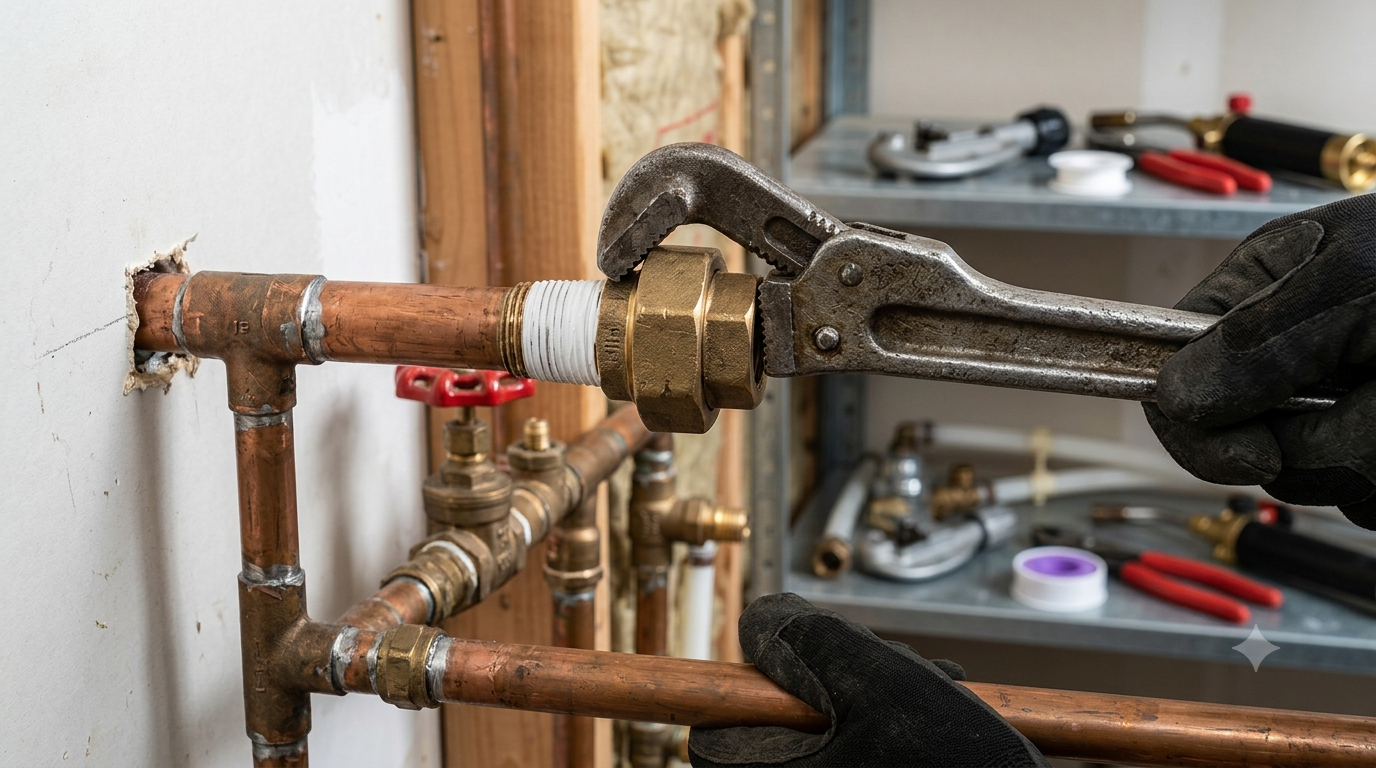
- Apply Thread Sealant: Use a compatible thread sealant or plumber’s tape on the male threads to enhance the seal.
- Connect the Fittings: Align the FIP fitting with the MIP and hand-tighten. Use a wrench to secure the connection without over-tightening, which can damage the threads.
- Check for Leaks: Once installed, run water through the system and check for any leaks. Tighten further if necessary.
Maintenance Tips for FIP Connections
To ensure the longevity and functionality of FIP connections, regular maintenance is key:
- Inspect the fittings periodically for signs of wear or corrosion.
- Reapply thread sealant if any leaks are detected during inspections.
- Replace any damaged fittings immediately to prevent further issues.
FAQs about FIP in Plumbing
What is the difference between FIP and MIP?
FIP (Female Iron Pipe) has internal threads, while MIP (Male Iron Pipe) has external threads. Both are used in conjunction to create secure plumbing connections.
How do you install FIP connections?
Install FIP connections by cleaning the pipes, applying thread sealant, connecting the fittings, and checking for leaks to ensure a secure and leak-proof seal.
Are FIP fittings reliable?
Yes, FIP fittings are reliable when properly installed and maintained. They are designed to withstand high pressure and temperature changes, making them suitable for various plumbing applications.
Can FIP fittings be used with NPT threads?
FIP and NPT threads are similar, but it’s essential to check compatibility as some discrepancies can lead to leaks. Adapters may be required in certain cases.
Final Thoughts on FIP in Plumbing
Understanding FIP and its role in plumbing systems is essential for anyone involved in installing or maintaining these systems. From ensuring leak-proof connections to understanding compatibility with other thread types, FIP fittings are a cornerstone of effective plumbing. By following proper installation and maintenance guidelines, you can enhance the durability and efficiency of your plumbing systems, ensuring they serve you well for years to come.