how to use a plumbing snake : A Step-by-Step Guide to Unclogging Drains
Clogged drains are a common household issue that can disrupt your daily routine. While chemical drain cleaners might seem like a quick fix, they often fall short and can damage your pipes over time. Enter the plumbing snake—a versatile tool for tackling stubborn clogs effectively. Whether you’re a DIY enthusiast or a homeowner aiming to solve plumbing problems independently, understanding how to use a plumbing snake properly is essential. This guide provides expert tips and step-by-step instructions to make your drain-clearing efforts successful.
Understanding Plumbing Snakes
Types of Plumbing Snakes
Plumbing snakes, also known as drain augers, come in various forms suited for different plumbing scenarios:
- Manual Hand Crank Snake: Ideal for minor clogs in sinks and bathtubs, these are user-friendly and require no power source.
- Electric Power Snake: Equipped with a motor, these are perfect for tougher clogs and are often used by professionals.
- Toilet Auger: Specifically designed to navigate the unique bends of toilet pipes without causing damage.
Choosing the right type of snake depends on the severity of your clog and the type of fixture you’re dealing with.
Preparation and Safety
Tools and Equipment Needed
Before you begin, gather the necessary tools to ensure a smooth process:
- Plumbing snake (appropriate type)
- Bucket or container
- Rubber gloves
- Safety goggles
- Towels or rags for cleanup
Safety Measures
While plumbing snakes are effective, improper use can damage pipes. Follow these safety tips to protect both your plumbing and yourself:
- Wear rubber gloves and safety goggles to protect against splashes and debris.
- Avoid excessive force to prevent pipe damage.
- If you’re using an electric snake, ensure the power cable is dry and in good condition.
Read Also: What does fip mean in plumbing?
How to Use a Plumbing Snake
Step 1: Assembly and Setup
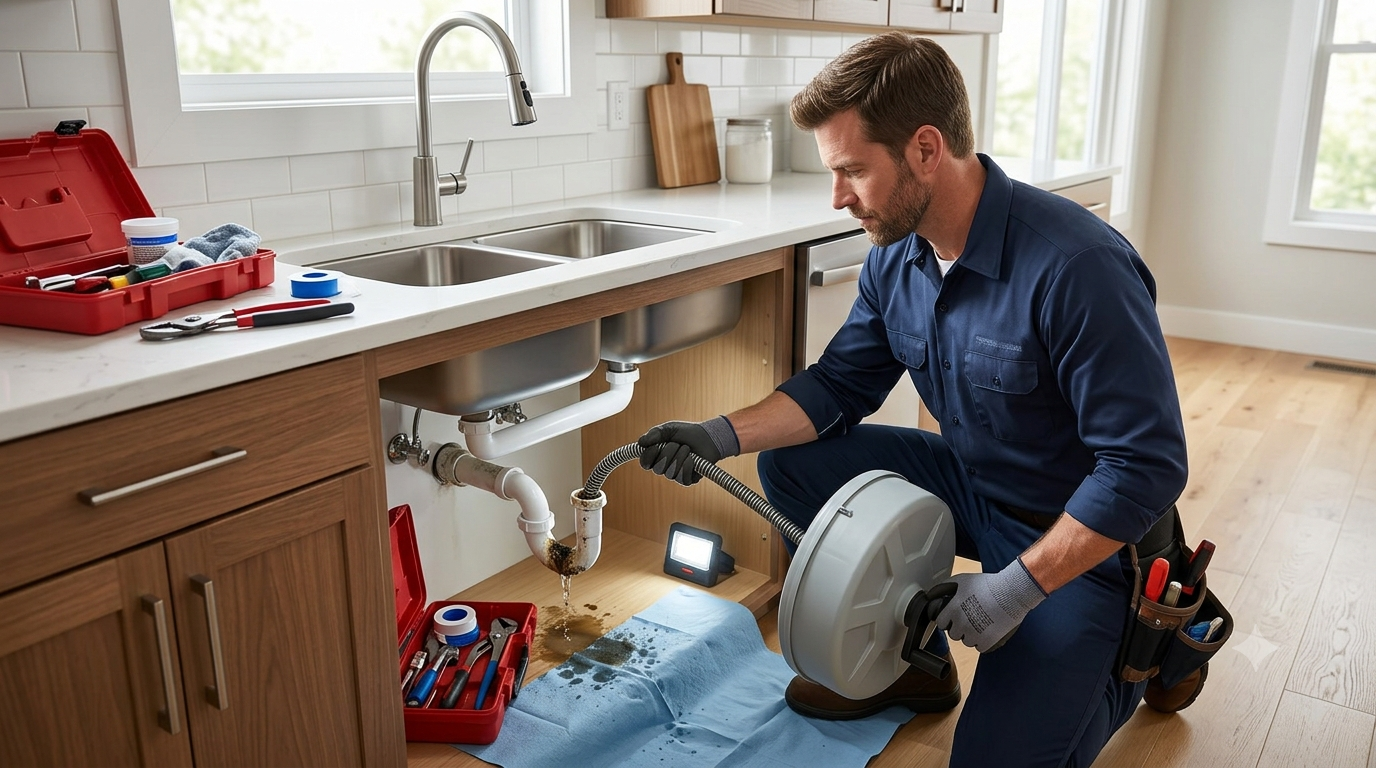
Start by assembling your plumbing snake according to the manufacturer’s instructions. Insert the snake into the drain opening until you encounter resistance.
Step 2: Inserting the Snake
Gently push the snake further into the drain while rotating the handle. This motion helps the snake navigate through bends and curves in the pipe.
Step 3: Navigating Through Pipes
Continue feeding the snake into the drain until you feel the resistance lessen, indicating the clog is engaged. Apply steady pressure while rotating the handle to break up the obstruction.
Step 4: Clearing the Clog
Once you feel the clog is loosened, slowly retract the snake. The clog material should attach to the snake’s tip. Remove and dispose of debris properly.
Step 5: Removing and Cleaning
After clearing the clog, run water through the drain to ensure it flows freely. Clean the snake thoroughly to prevent rust and store it in a dry place.
Troubleshooting Common Issues
Stuck Snake
If your snake gets stuck, do not force it. Gently reverse the rotation to dislodge it. This often resolves the issue without causing damage.
Persistent Clogs
If the clog persists, it might be too severe for a DIY solution. Consider consulting a professional plumber to avoid exacerbating the problem.
Maintenance and Care
Cleaning and Storing the Snake
After each use, clean your plumbing snake with soap and water to remove debris and prevent corrosion. Dry it completely before storage to extend its lifespan.
Routine Checks
Inspect your plumbing snake regularly for signs of wear and tear. Replace any damaged parts to maintain its effectiveness and help maintain home plumbing systems in good working condition.
When to Seek Professional Help
While DIY snaking can resolve many clogs, some situations require professional intervention, such as:
- Recurring clogs despite multiple attempts
- Clogs located deep within the plumbing system
- Old or fragile plumbing that might not withstand DIY methods
Conclusion: Key Takeaways
Using a plumbing snake is a practical way to address most clogs without resorting to harsh chemicals. By understanding the different types of snakes, following safety precautions, and executing the process carefully, you can tackle many plumbing issues effectively. Remember, however, to recognize the limits of DIY solutions and call a professional when necessary.
FAQ
What type of plumbing snake do I need for a kitchen sink?
A manual hand crank snake is typically sufficient for kitchen sinks, as it can navigate the bends and effectively tackle common food-related clogs.
Can a plumbing snake damage pipes?
Yes, if used improperly. Excessive force or incorrect handling, especially in older homes with fragile plumbing, can cause damage.
How often should a plumbing snake be used?
Use a plumbing snake as needed, primarily when you notice slow drainage or blockages. Regular maintenance can prevent frequent clogs.
What’s the difference between a manual and an electric plumbing snake?
Manual snakes are operated by hand and are suitable for minor clogs. Electric snakes are motor-driven, ideal for heavy-duty jobs, and can handle more severe blockages.
How do I clean a plumbing snake after use?
Clean your snake with soap and water, ensuring all debris is removed. Dry it thoroughly to prevent rust before storing it in a dry place.