Clay tile or cast iron
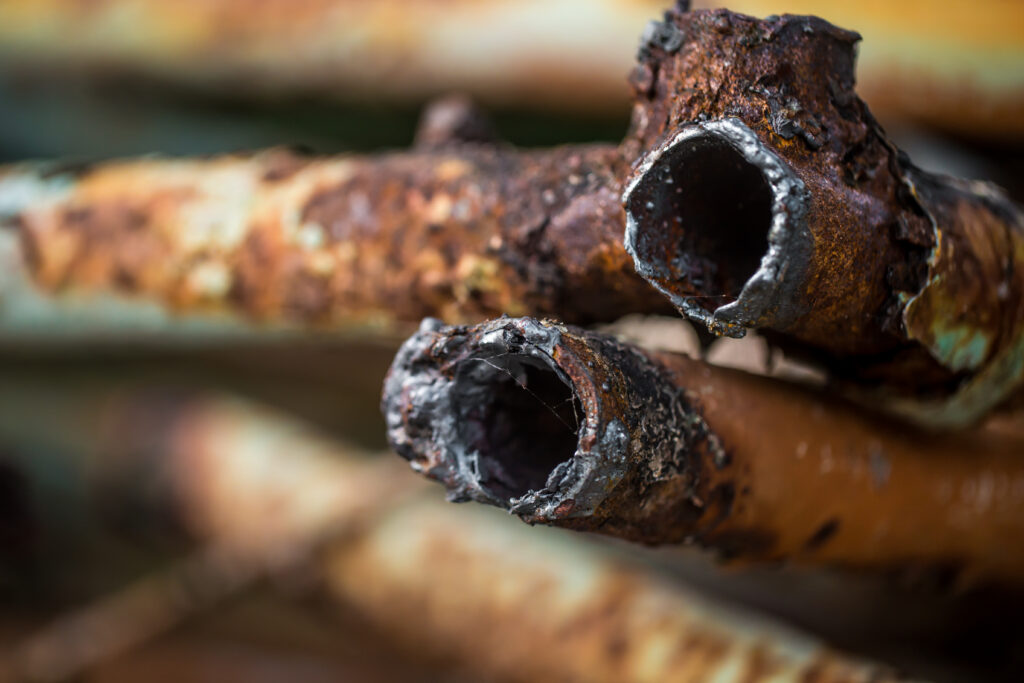
Common in central Edmond. Roots at the mortared joints, scale build-up, and sections that have shifted with the soil.

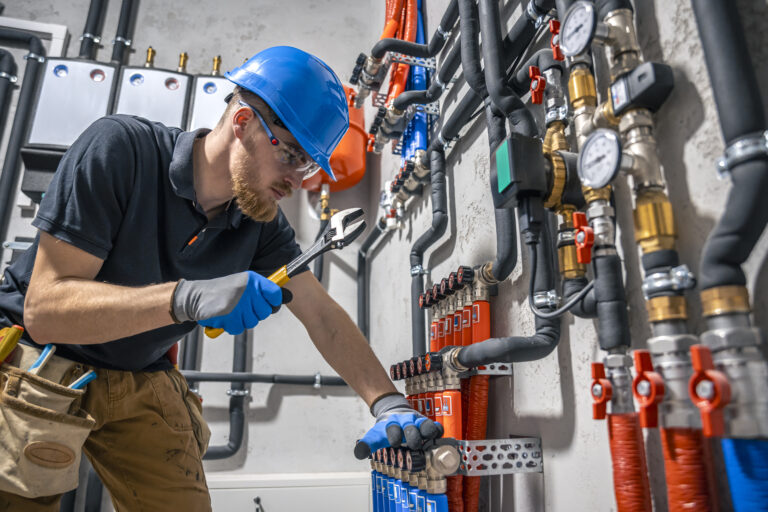
Camera inspection first, so you see the problem before you pay to fix it. Trenchless where it works, open-cut where it does not.
Every one of them shows up as slow drains and backups. They cost wildly different amounts to fix, which is why guessing is expensive.
We do not quote a sewer repair without putting a camera down the line.
Common in central Edmond. Roots at the mortared joints, scale build-up, and sections that have shifted with the soil.
Orangeburg in particular deforms into an oval and eventually collapses.
Mostly fails from bad bedding, a belly where the trench settled, or something crushing it.
Oklahoma's expansive clay soil swells and shrinks between wet and dry seasons. That movement is what opens joints and creates bellies.
Replaces the line without digging a trench the length of the yard.
The camera tells us which applies. We decide after the footage, not before.
An annual clean-out is reasonable for roots at one joint. It stops being reasonable when you are calling three times a year.
We will call back with a time. You will see the footage before we quote any repair.
Leave your number and we’ll call you back to book a slot. For anything actively leaking, call (405) 555-0142 instead.
Yes, on any main line job. A blockage, root intrusion, a belly, a crushed section and a full collapse all look identical from inside the house and cost wildly different amounts to fix. You should see the footage before you spend money.
Often. Pipe lining and pipe bursting replace the line without a full trench. It does not work if the pipe has collapsed flat, has a severe belly needing re-grading, or runs under something that has to come up regardless. The camera tells us which applies.
Older central Edmond has clay tile with mortared joints that roots get into. The 1970s to 90s often has Orangeburg, which deforms and collapses. And Oklahoma expansive clay soil moves between wet and dry seasons, which opens joints and creates bellies.
Multiple fixtures backing up at once, a gurgle in the tub when the toilet flushes, sewage smell in the yard, or a lush green patch over the line run. A single slow sink is almost never the main line.