What Causes a Hot Water Heater to Leak? A Complete Homeowner’s Guide
A leaking hot water heater is one of those household problems that can quickly turn into an expensive repair if ignored. Even a small puddle around the base of the tank can be a warning sign that something is wrong inside the system. While some leaks are simple to fix, others indicate that the water heater has reached the end of its lifespan.
Understanding what causes a hot water heater to leak can help you identify the issue early, protect your home from water damage, and decide whether you need a repair or a replacement. In this guide, you’ll learn the most common causes of water heater leaks, how to identify where the leak is coming from, and what steps you should take next.
Why Is My Hot Water Heater Leaking?
A hot water heater can leak for several reasons. Some leaks come from loose fittings or worn-out valves, while others result from internal corrosion or excessive pressure inside the tank. The exact cause often depends on the age, condition, and maintenance history of the unit.
The first step is determining where the leak is coming from because the location often reveals the underlying problem.
Common Causes of a Hot Water Heater Leak
Loose Water Connections
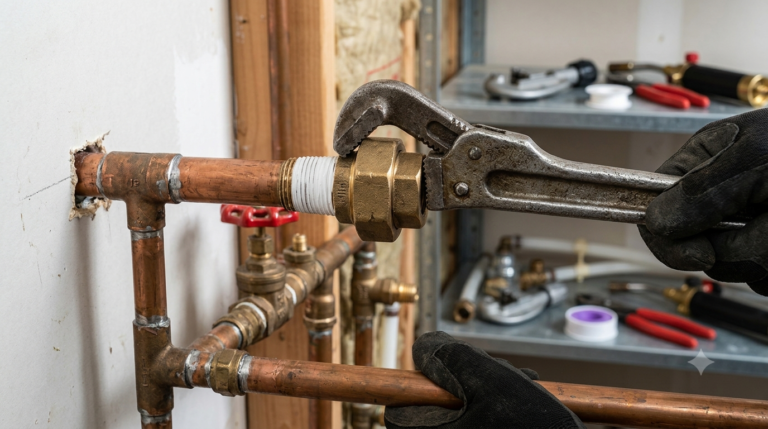
One of the simplest reasons a hot water heater leaks is a loose plumbing connection. Water enters and exits the heater through pipes attached at the top of the tank. Over time, these fittings may loosen due to temperature changes, vibration, or normal wear.
Signs include:
- Water dripping from the top of the heater
- Moisture around pipe fittings
- Small puddles forming near the connections
In many cases, tightening the fittings or replacing worn connectors solves the problem.
Faulty Temperature and Pressure Relief Valve
The temperature and pressure (T&P) relief valve is a critical safety component. It releases water if pressure or temperature inside the tank becomes dangerously high.
This valve may leak because:
- Internal pressure is too high.
- The valve is worn out.
- Mineral deposits prevent it from sealing properly.
A dripping relief valve should never be ignored because it could indicate a pressure issue that needs immediate attention.
Drain Valve Problems
Near the bottom of the water heater is a drain valve used for maintenance and tank flushing. If this valve becomes loose or damaged, water may leak slowly.
Common reasons include:
- The valve wasn’t fully closed after draining.
- Internal seals have worn out.
- The valve has cracked.
Sometimes tightening the valve is enough, but damaged valves usually need replacement.
Corrosion Inside the Tank
Internal corrosion is one of the most serious reasons a water heater leaks.
Steel tanks are protected by a glass lining and a sacrificial anode rod. As the anode rod wears out, corrosion eventually begins attacking the metal tank itself.
Once corrosion creates holes in the tank, repairs are usually impossible.
Common warning signs include:
- Rust-colored water
- Water leaking from the bottom of the tank
- Rust visible on the exterior
- The heater is more than 10 years old
Unfortunately, a corroded tank almost always requires replacement.
Sediment Buildup
Hard water contains minerals such as calcium and magnesium. Over time, these minerals settle at the bottom of the tank.
Excessive sediment can:
- Reduce heating efficiency
- Cause overheating
- Damage the tank lining
- Lead to cracks and leaks
Regular tank flushing helps remove sediment before it becomes a serious issue.
Excessive Water Pressure
Water heaters are designed to operate within a safe pressure range. If household water pressure becomes too high, stress builds inside the tank and plumbing connections.
High pressure may lead to:
- Leaking fittings
- Frequent T&P valve discharge
- Damage to internal components
- Premature tank failure
Installing or servicing a pressure-reducing valve may solve the issue if pressure remains consistently high.
Aging Water Heater
Every water heater has a limited lifespan.
Most traditional tank water heaters last between:
- 8–12 years with average maintenance
- Up to 15 years with excellent maintenance and favorable water conditions
As components wear out, leaks become more common.
If your heater is approaching the end of its expected life, replacing it is often more cost-effective than repeated repairs.
Where Is the Leak Coming From?
Finding the exact location of the leak helps narrow down the cause.
Leak From the Top
Possible causes include:
- Loose inlet or outlet pipes
- Faulty shutoff valve
- Leaking expansion tank
- Damaged T&P valve
These issues are often repairable if addressed early.
Leak From the Side
Side leaks may indicate:
- Corroded pipe fittings
- Damaged relief valve
- Cracked plumbing connections
Careful inspection can determine whether the leak originates from the plumbing or the water heater itself.
Leak From the Bottom
Leaks at the bottom are often the most concerning.
Possible causes include:
- Drain valve leak
- Condensation
- Internal tank corrosion
- Sediment damage
If water appears to come directly from underneath the tank rather than the drain valve, replacement is usually necessary.
Could It Be Condensation Instead of a Leak?
Not every puddle indicates a leaking water heater.
During periods of heavy hot water use, condensation may form on the outside of the tank, especially in humid environments.
Condensation is usually harmless and disappears once the heater finishes its heating cycle.
Signs it’s condensation:
- Water appears only during heating.
- The tank surface feels cool and damp.
- No visible dripping from valves or fittings.
If moisture continues throughout the day, an actual leak is more likely.
How to Inspect a Leaking Water Heater Safely
Before examining the heater:
- Turn off the power supply.
- Electric heaters should be switched off at the breaker.
- Gas heaters should have the gas control turned off if necessary.
- Shut off the cold water supply.
- Dry the entire unit with towels.
- Wait several minutes.
- Observe where fresh water first appears.
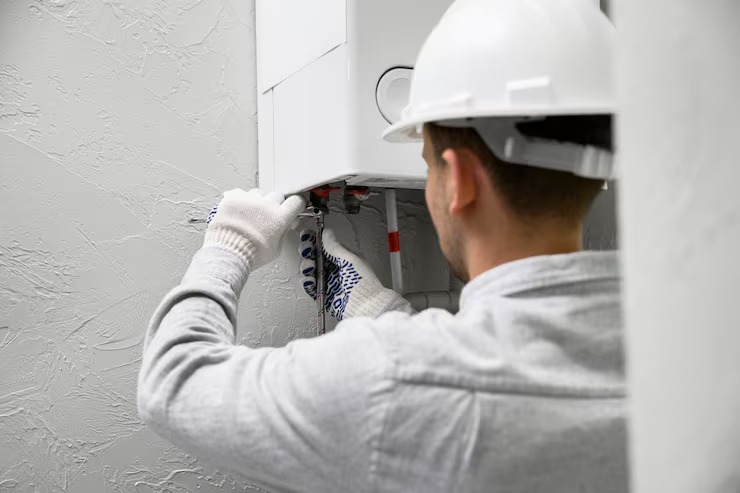
This simple process often helps identify the exact source of the leak.
Can a Leaking Water Heater Be Repaired?
It depends on what’s causing the leak.
Repairable Problems
These issues can often be fixed:
- Loose plumbing fittings
- Faulty drain valve
- Worn relief valve
- Minor pipe leaks
- Expansion tank problems
Professional repairs are usually straightforward and relatively affordable.
When Replacement Is Necessary
Replacement is generally recommended if:
- The tank itself is leaking.
- Internal corrosion is present.
- Large rust holes have formed.
- The heater is over 10–12 years old.
- Multiple major components have failed.
Trying to repair a leaking tank rarely provides a long-term solution.
How to Prevent Future Water Heater Leaks
Routine maintenance significantly extends the life of a hot water heater.
Flush the Tank Regularly
Removing sediment once or twice a year helps prevent overheating and corrosion.
Replace the Anode Rod
The sacrificial anode rod protects the tank from rust.
Inspecting and replacing it every few years can greatly increase the heater’s lifespan.
Check the Pressure Relief Valve
Test the valve periodically to ensure it opens and closes properly.
Inspect Plumbing Connections
Look for:
- Corrosion
- Moisture
- Mineral buildup
- Loose fittings
Early repairs are much less expensive than waiting for a major leak.
Monitor Water Pressure
Excessive pressure shortens the life of plumbing systems and water heaters.
If pressure regularly exceeds recommended levels, installing a pressure regulator can protect the entire plumbing system.
Schedule Annual Maintenance
A yearly inspection helps identify worn parts before they fail.
Professional maintenance often includes:
- Flushing sediment
- Inspecting valves
- Checking burner or heating elements
- Testing safety controls
- Evaluating the tank’s overall condition
When Should You Call a Professional?
Some situations require immediate professional attention.
Contact a qualified plumber if:
- Water is leaking directly from the tank.
- The relief valve continues leaking after replacement.
- You notice rust-colored water.
- The water heater makes loud popping or rumbling noises.
- Large amounts of water collect around the unit.
- Gas water heaters show signs of gas leaks or unusual odors.
Ignoring these warning signs can result in significant property damage or complete water heater failure.
Final Thoughts
If you’ve been wondering what causes a hot water heater to leak, the answer depends on where the leak starts and the condition of the unit. Loose fittings, faulty valves, sediment buildup, excessive pressure, and aging components are among the most common causes. While many minor leaks can be repaired, leaks from the tank itself usually indicate that replacement is the safest and most practical solution.
Regular maintenance remains the best defense against unexpected water heater leaks. Flushing the tank, checking safety valves, inspecting plumbing connections, and replacing the anode rod when needed can extend the life of your system and help you avoid costly emergencies. By acting quickly when you notice even a small leak, you can protect both your water heater and your home from unnecessary damage.