What Is a Coupling in Plumbing?
A plumbing system depends on many small components working together to deliver clean water and remove wastewater safely. One of the most important yet often overlooked fittings is the plumbing coupling. While it may look like a simple connector, it plays a critical role in joining pipes securely and preventing leaks.
Whether you’re repairing a damaged pipe, extending a water line, or installing a brand-new plumbing system, understanding what a coupling is can help you make informed decisions and avoid costly mistakes.
If you’re learning basic plumbing terms, it’s also helpful to understand what is rough in plumbing, as couplings are commonly used during the rough-in stage when water supply and drain pipes are installed before walls and fixtures are finished.
In this guide, you’ll learn what a coupling in plumbing is, how it works, the different types available, when to use them, and how to choose the right one for your plumbing project.
What Is a Coupling in Plumbing?
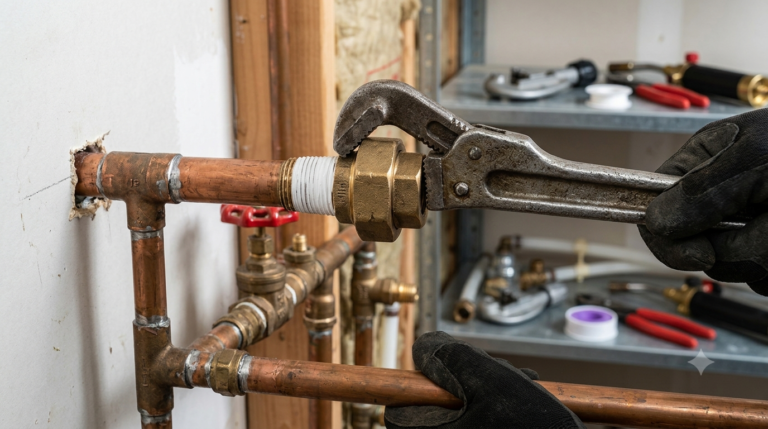
A plumbing coupling is a fitting used to connect two sections of pipe together. Its primary purpose is to create a secure, leak-free connection that allows water or wastewater to flow smoothly through the plumbing system.
Couplings can be used to connect:
- Two pipes of the same size
- Two pipes made from the same material
- Different types of pipes using transition couplings
- A replacement section of pipe during repairs
Depending on the type of plumbing system, couplings may be glued, threaded, soldered, compressed, crimped, or secured with stainless steel clamps.
Although they are small components, couplings are among the most frequently used fittings in residential, commercial, and industrial plumbing systems.
Why Are Plumbing Couplings Important?
Without couplings, connecting plumbing pipes safely would be difficult and unreliable.
Their benefits include:
- Creating watertight pipe connections
- Making plumbing repairs faster
- Extending existing water or drain lines
- Replacing damaged sections of pipe
- Reducing the chance of water leaks
- Improving the overall strength of the plumbing system
A properly installed coupling can last for many years with little maintenance.
Couplings also help maintain consistent water flow throughout the plumbing system. If water begins backing up despite properly connected pipes, the issue may be related to what is plumbing stoppage, which refers to a blockage that prevents wastewater or water from flowing normally.
How Does a Plumbing Coupling Work?
A coupling fits over or around the ends of two pipes.
Depending on the pipe material, the connection may be made using:
- Solvent cement for PVC and CPVC
- Soldering for copper pipes
- Threaded fittings for galvanized steel
- Compression fittings
- Push-to-connect fittings
- Flexible rubber sleeves with stainless steel clamps
Once installed correctly, the coupling creates a continuous passage that allows water to flow while preventing leaks at the joint.
Common Types of Plumbing Couplings
There are several types of plumbing couplings, each designed for a specific application.
Standard Coupling
A standard coupling joins two pipes of the same diameter and material.
It is commonly used for:
- Extending water lines
- New plumbing installations
- Replacing straight sections of pipe
This is the most common coupling found in residential plumbing systems.
Repair Coupling
A repair coupling is designed specifically for fixing damaged pipes.
Unlike a standard coupling, it has no internal stop, allowing it to slide completely over one pipe before being positioned over the repaired section.
Repair couplings are ideal for fixing:
- Cracked pipes
- Small leaks
- Damaged pipe sections
They are especially useful when repairing plumbing inside walls or under floors because they reduce the amount of pipe that needs to be replaced.
Slip Coupling
Slip couplings are another excellent option for repairs where existing pipes cannot be moved easily.
They slide freely along the pipe before being positioned over the repair area, making them useful in tight spaces.
Compression Coupling
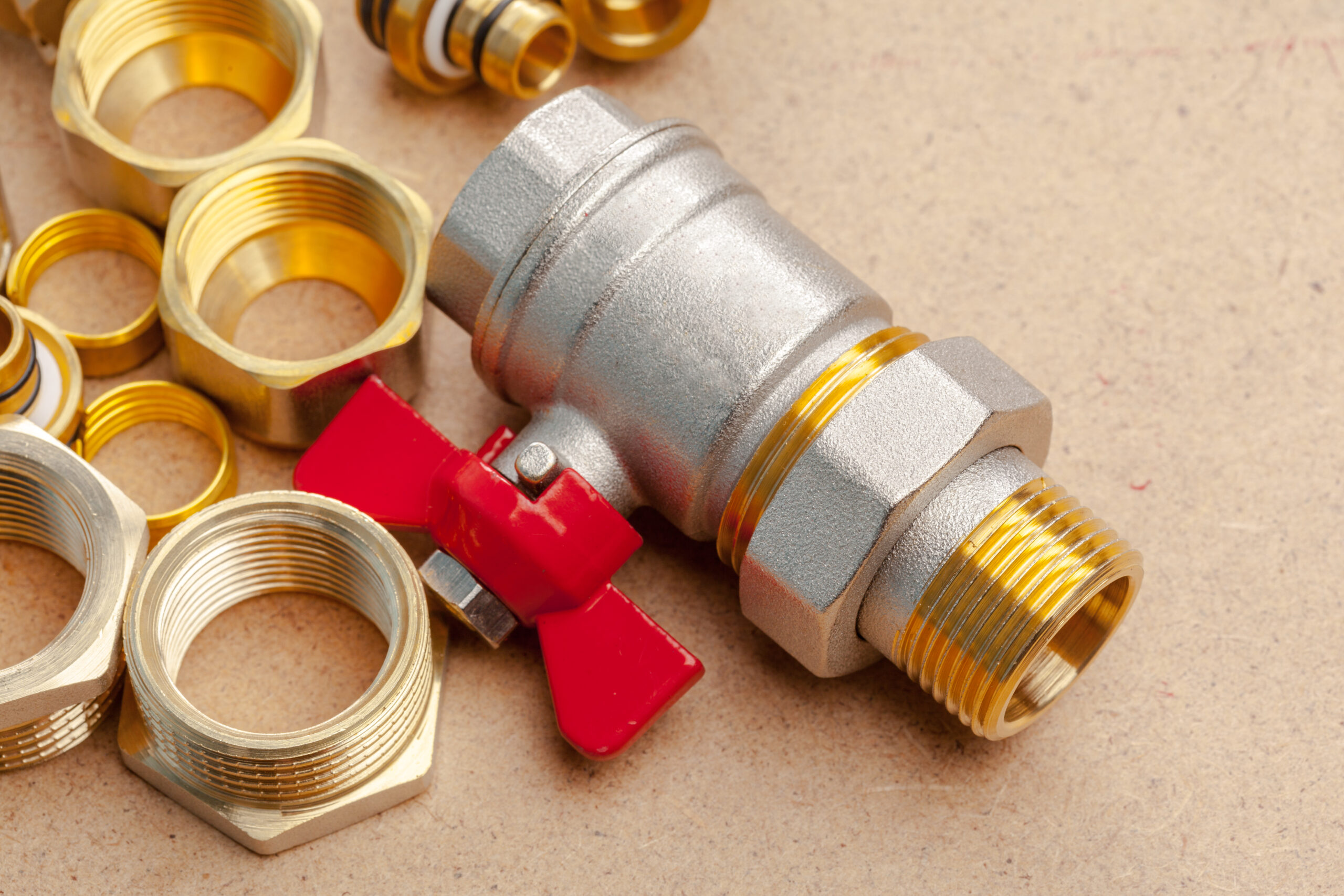
Compression couplings use threaded nuts and compression rings to create a watertight seal.
No glue or solder is required.
They are commonly used for:
- Copper pipes
- Plastic water lines
- Shut-off valve installations
- Water supply repairs
Many homeowners choose compression fittings because they are relatively simple to install.
Flexible Coupling
Flexible couplings consist of a durable rubber sleeve secured with stainless steel clamps.
They are commonly used to connect:
- PVC to cast iron
- Drain pipes
- Underground sewer lines
- Slightly misaligned pipes
These couplings are especially valuable during plumbing repairs where pipe alignment is not perfect.
Transition Coupling
Modern plumbing systems often include multiple pipe materials.
Transition couplings safely connect different materials such as:
- PVC to cast iron
- Copper to galvanized steel
- ABS to PVC
Using the proper transition coupling helps ensure a reliable, leak-free connection.
Plumbing Materials That Use Couplings
Couplings are manufactured for nearly every common plumbing material.
PVC
PVC couplings are glued with primer and solvent cement and are widely used in drain, waste, and vent systems.
CPVC
CPVC couplings handle both hot and cold water supply lines and are installed using a similar solvent-welding process.
Copper
Copper couplings are installed through soldering or modern push-fit connections.
PEX
PEX plumbing systems use crimp, clamp, expansion, or push-fit couplings.
PEX has become increasingly popular because of its flexibility and ease of installation.
Galvanized Steel
Older homes often contain galvanized steel pipes connected with threaded couplings.
Signs a Plumbing Coupling Needs Replacement
Although couplings are designed to last, they can wear out over time.
Common warning signs include:
- Water leaking around pipe joints
- Rust or corrosion
- Visible cracks
- Water stains on ceilings or walls
- Damp floors near exposed pipes
- Reduced water pressure caused by leaking connections
Replacing a worn coupling early can prevent expensive water damage.
How to Choose the Right Plumbing Coupling
Choosing the correct coupling depends on several important factors.
Pipe Material
Always use a coupling that matches the pipe material unless you are using a transition coupling designed for mixed materials.
Pipe Size
Measure the outside diameter carefully.
Even a small difference in size can prevent a secure seal.
Water Pressure
Water supply lines require pressure-rated couplings, while drain pipes operate under different conditions.
Installation Location
Some couplings are designed specifically for underground or outdoor use where moisture and temperature changes are common.
Can You Install a Plumbing Coupling Yourself?
Many homeowners can install a basic plumbing coupling if they have the proper tools and basic plumbing knowledge.
The general process includes:
- Turn off the water supply.
- Remove the damaged pipe if necessary.
- Clean the pipe ends thoroughly.
- Install the correct coupling.
- Secure it using the appropriate installation method.
- Restore the water supply.
- Check every joint carefully for leaks.
If the repair involves hidden plumbing, sewer lines, or multiple pipe materials, hiring a licensed plumber is often the safest option.
Common Mistakes When Installing Couplings
Even experienced DIYers can make installation mistakes.
Avoid these common errors:
- Using the wrong coupling size
- Mixing incompatible pipe materials
- Forgetting primer before applying PVC cement
- Overtightening compression fittings
- Installing pipes out of alignment
- Failing to test the system for leaks after installation
Taking a little extra time during installation can prevent future plumbing problems.
Where Are Plumbing Couplings Commonly Used?
Couplings are found throughout almost every residential plumbing system.
Common locations include:
- Kitchen plumbing
- Bathroom plumbing
- Water supply lines
- Drainage systems
- Basement plumbing
- Outdoor irrigation systems
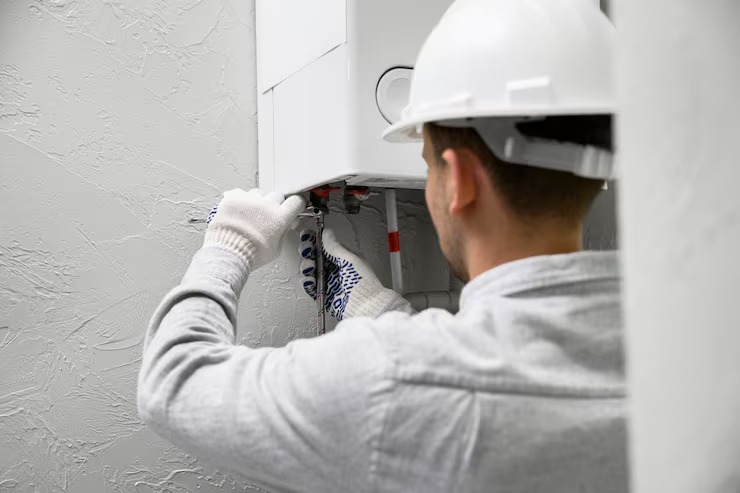
- Water heater installations
- Sewer repairs
For example, when installing or repairing what is a water closet in plumbing, plumbers use multiple couplings to connect water supply lines and drainage pipes securely, ensuring reliable performance and leak-free operation.
Maintenance Tips to Extend the Life of Plumbing Couplings
While couplings require very little maintenance, a few simple habits can help extend their lifespan.
- Inspect exposed pipe joints regularly for moisture.
- Repair small leaks before they become larger problems.
- Avoid using excessive force on connected pipes.
- Replace worn seals or rubber components promptly.
- Protect outdoor plumbing from freezing temperatures.
- Schedule periodic plumbing inspections in older homes.
Routine maintenance can help prevent leaks, reduce repair costs, and improve the overall lifespan of your plumbing system.
Final Thoughts
A plumbing coupling may be one of the smallest components in a plumbing system, but it performs one of the most important functions. It securely joins pipes, prevents leaks, simplifies repairs, and keeps water flowing efficiently throughout a home or commercial building.
Whether you’re replacing a damaged pipe, extending an existing plumbing line, or installing an entirely new system, choosing the correct coupling is essential for long-term performance. Understanding the different types of couplings, how they work, and where they are used will help you make better plumbing decisions and recognize when a repair is within your skill level or when professional assistance is needed.
With the right coupling, proper installation, and routine maintenance, your plumbing system can remain reliable, efficient, and leak-free for many years.