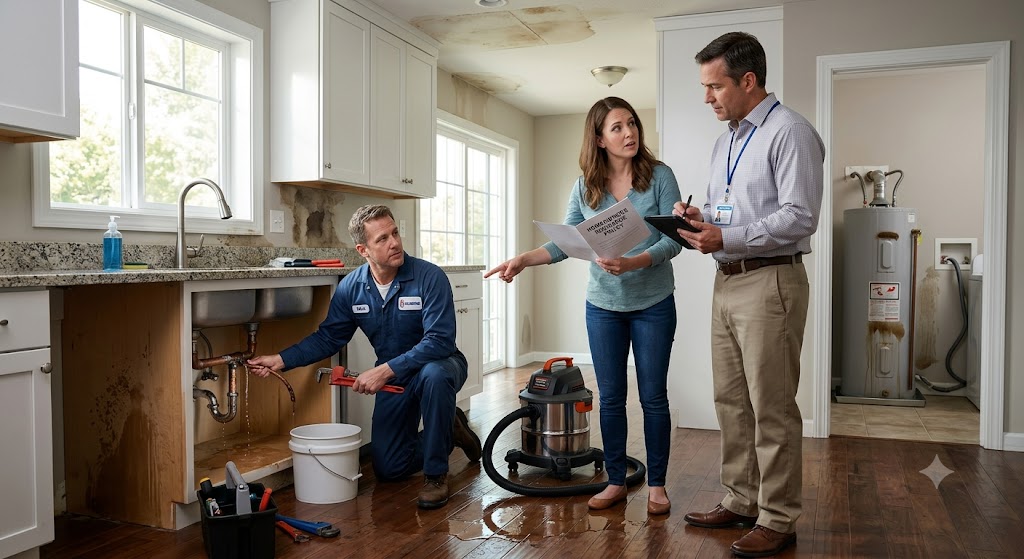
Homeowners often choose copper plumbing for its durability and longevity, yet even this reliable material isn’t immune to issues. A common problem encountered is the development of pinhole leaks in copper pipes. Understanding the causes behind these leaks not only helps in addressing them effectively but also aids in preventing future occurrences.
Understanding Pinhole Leaks in Copper Plumbing
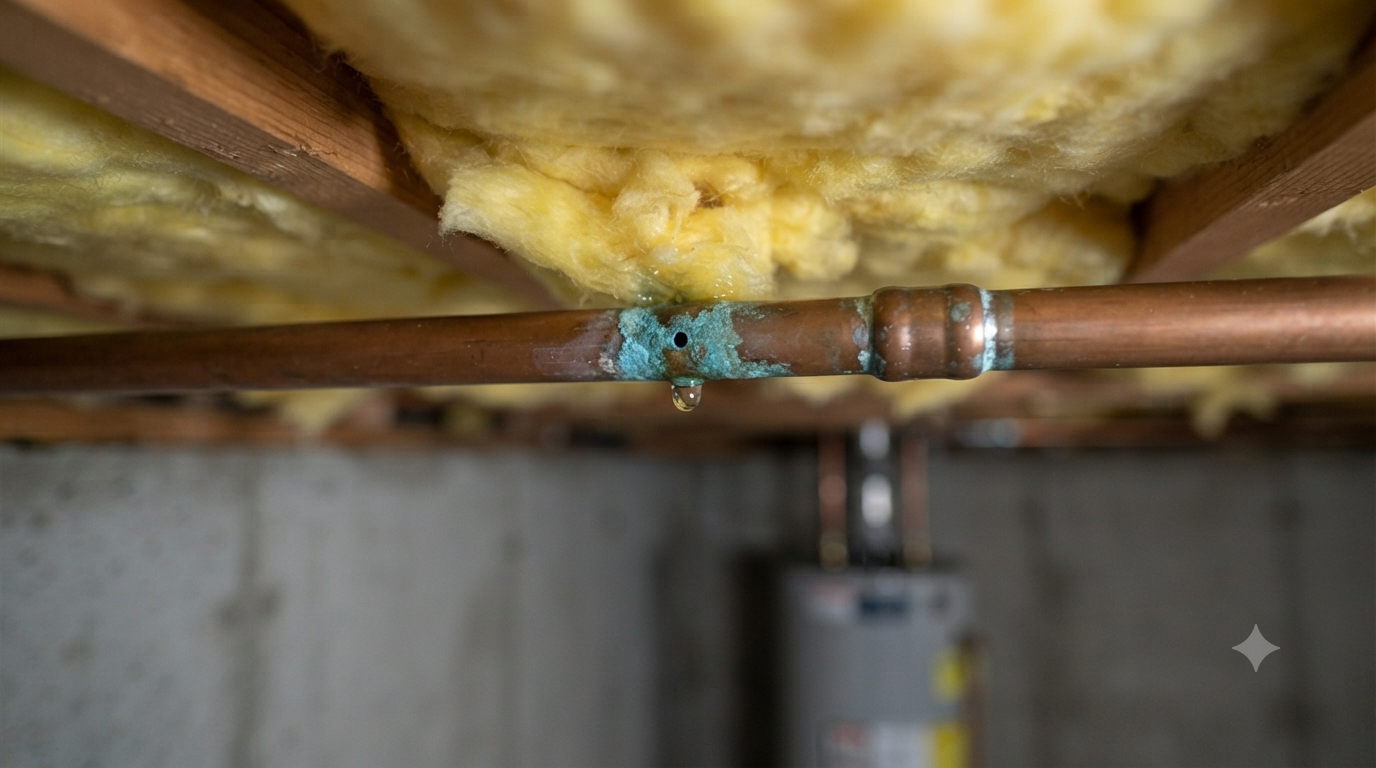
Pinhole leaks are small, often barely visible perforations in copper pipes that can lead to significant water damage if left unchecked. These leaks are a result of various factors, ranging from chemical reactions to environmental influences. Recognizing what causes plumbing leaks can save homeowners from costly repairs and extensive water damage.
Causes of Pinhole Leaks
Water Chemistry and Corrosion
One of the primary causes of pinhole leaks is the water chemistry flowing through the pipes. The pH balance and mineral content play crucial roles in the corrosion process. When water is too acidic (low pH) or contains high levels of dissolved minerals, it can accelerate corrosion, leading to the development of pinhole leaks.
- pH Balance: Ideally, the pH level of water should be neutral. Water with a pH level below 7 can cause the copper to deteriorate over time.
- Mineral Content: High levels of minerals like calcium and magnesium can create scales inside pipes, affecting water flow and increasing the risk of leaks.
Environmental Factors
The environment surrounding your copper pipes significantly affects their condition. Factors such as temperature fluctuations and humidity levels can contribute to corrosion and subsequent leaks.
- Temperature: Rapid changes in temperature can cause thermal expansion and contraction in pipes, leading to material fatigue and potential leaks.
- Humidity: High humidity levels can exacerbate corrosion, especially in unconditioned spaces like basements or crawl spaces.
Pipe Quality and Installation
The quality of the copper and the installation process itself can also impact the likelihood of leaks. Poor-quality copper or substandard installation practices can compromise the integrity of the pipes.
- Material Quality: Not all copper pipes are created equal. Lower-grade copper can be more susceptible to corrosion.
- Installation Practices: Incorrect installation techniques, such as improper soldering or bending, can weaken pipes and lead to leaks.
Signs and Detection
Detecting pinhole leaks early is crucial in minimizing damage. Here are some common signs that may indicate the presence of a leak:
- Unexplained increase in water bills
- Visible water stains on walls or ceilings
- Musty odors indicating mold growth
- Visible corrosion or discoloration on pipes
Prevention Strategies
Preventing pinhole leaks involves a combination of regular maintenance, awareness of water chemistry, and proper installation practices. Here are some strategies to consider:
- Regular Maintenance: Schedule routine inspections to catch potential issues early. Look for signs of corrosion and have them addressed promptly.
- Water Chemistry Testing: Regularly test the pH and mineral content of water. Consider installing a water softener or neutralizer if necessary.
- Quality Materials: Invest in high-quality copper pipes and ensure they are installed by experienced professionals.
- Environment Management: Control humidity levels in areas where pipes are installed, and insulate them to prevent temperature-related stress.
Repair and Replacement Options
When a pinhole leak is detected, timely intervention is key. Depending on the severity, you can choose between DIY methods or professional repair services.
- DIY Repairs: Temporary fixes, such as using a pipe repair clamp, can stop leaks until a permanent solution is found.
- Professional Solutions: For extensive damage, a trusted plumbing business can replace sections of pipe or apply protective coatings to prevent future leaks.
Conclusion and Key Takeaways
Understanding the causes of pinhole leaks in copper plumbing is essential for effective prevention and management. By monitoring water chemistry, maintaining your plumbing system, and opting for professional services when necessary, you can protect your home from the disruptive impact of leaks. Prioritize regular inspections and stay informed about the quality of your plumbing materials to ensure long-term reliability.
For plumbing professionals, pinhole leak repairs are also one of the most consistent sources of plumbing leads, since homeowners facing water damage need fast, reliable service they can trust.
FAQ
How do you fix a pinhole leak in copper plumbing? Temporary fixes include using a pipe repair clamp or epoxy putty. For a permanent solution, it’s best to replace the affected section of the pipe.
What are the signs of pinhole leaks in pipes? Signs include increased water bills, water stains on walls or ceilings, and musty odors indicating mold growth.
Can you prevent pinhole leaks in copper plumbing? Yes, through regular maintenance, water chemistry testing, and ensuring high-quality installation practices.
How does local water quality affect copper piping? Water with low pH or high mineral content can accelerate corrosion, leading to pinhole leaks in copper pipes.
How often should copper pipes be inspected for leaks? It’s advisable to inspect copper pipes annually, or more frequently if you notice signs of potential leaks.
For more insights and guidance on maintaining your plumbing system, consider consulting with a professional plumber or accessing resources dedicated to home maintenance.