Is Plumbing Hard to Learn?
Plumbing is an essential trade that supports both residential and commercial infrastructure. Whether you’re considering plumbing as a career or looking to acquire basic DIY skills for home maintenance, understanding the difficulty of learning plumbing is crucial. This guide will explore the skills required, educational pathways, and the challenges you might encounter when learning plumbing.
Understanding the Basics of Plumbing
What Does Plumbing Involve?
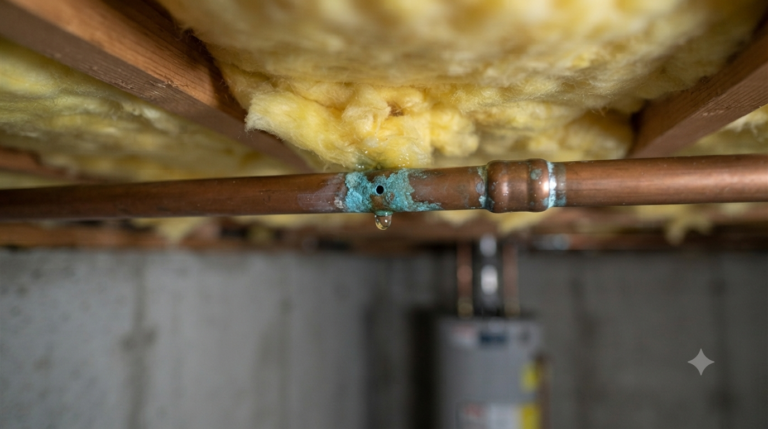
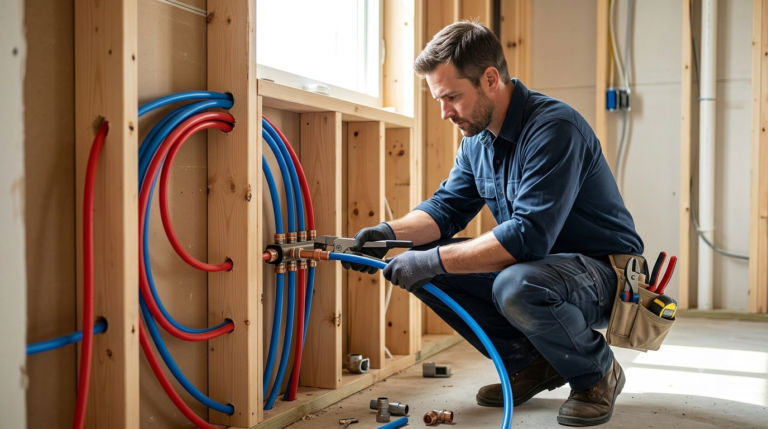
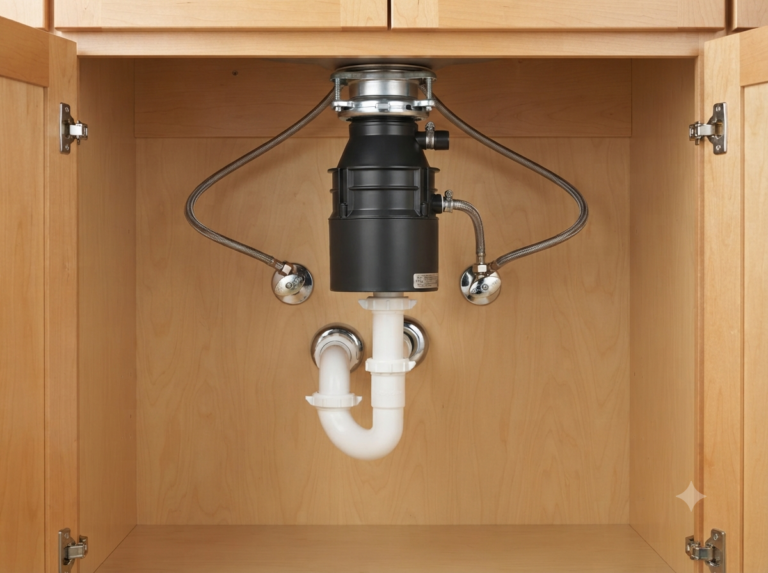
Before diving into the learning curve, it helps to understand what is plumbing at its core. Plumbing encompasses a wide range of systems and tasks, from installing and repairing pipes to maintaining drainage and water supply systems. Plumbers work with a variety of materials, including copper, PVC, and galvanized steel, and must be familiar with plumbing codes and safety regulations. Learning to identify the common causes of plumbing leaks is often one of the first practical skills beginners develop.
Essential Plumbing Tools and Equipment
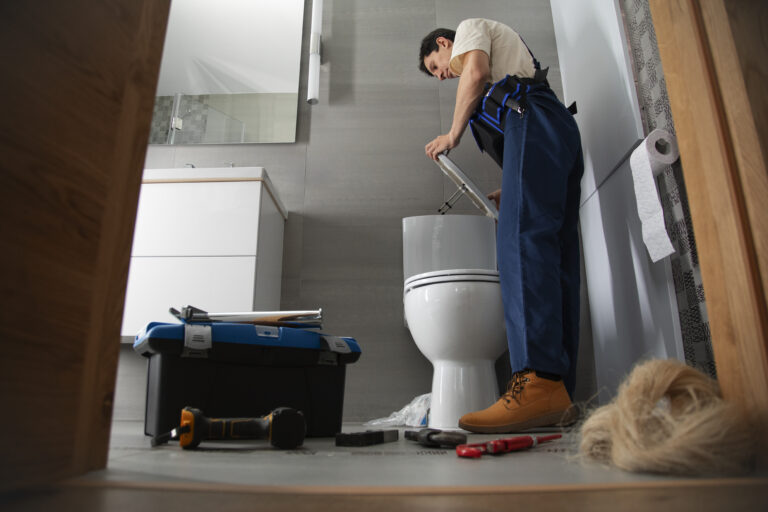
To get started in plumbing, you’ll need a toolkit that typically includes wrenches, pipe cutters, pliers, and a plumber’s snake. Having the right tools is the first step in tackling any plumbing job, whether it’s a simple leak repair or a more complex installation.
Skills Required for Aspiring Plumbers
Technical Skills
Mastering plumbing requires a solid understanding of pipe systems, water supply, and drainage systems. Technical skills are essential for diagnosing issues and implementing solutions effectively. Being adept at using tools and equipment is also critical to performing plumbing tasks efficiently.
Problem-Solving and Critical Thinking
Plumbing often involves troubleshooting unexpected issues. Strong problem-solving skills enable plumbers to identify the root cause of a problem quickly and devise effective solutions. Critical thinking is necessary to interpret blueprints and plan installations or repairs.
How to Start Learning Plumbing
Online Courses and Certifications
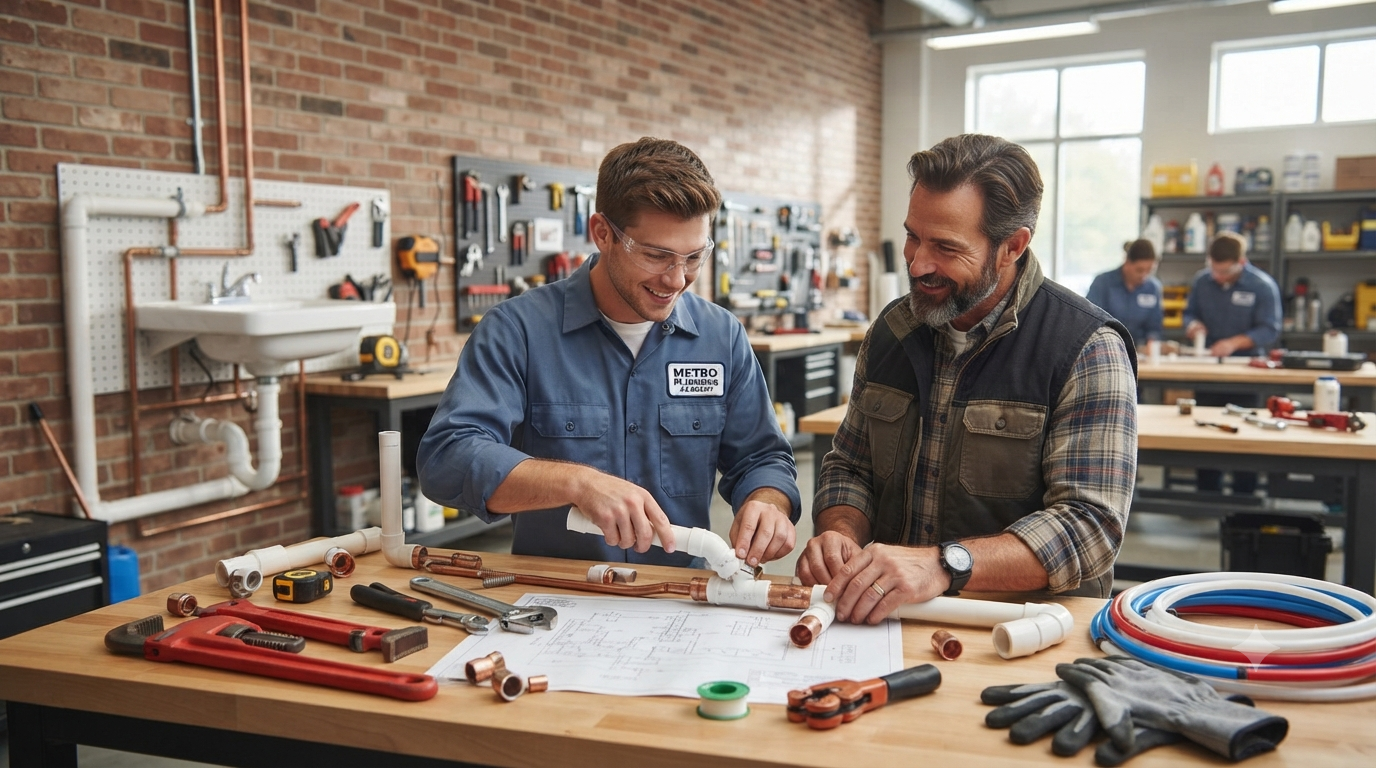
With the rise of digital learning, many aspiring plumbers are turning to online plumbing courses. These courses offer flexibility and cover topics from basic plumbing principles to advanced systems. While online learning is convenient, it should be supplemented with hands-on practice. For those who prefer structured, in-person education, enrolling in a plumbing trade school is another excellent pathway that combines classroom instruction with workshop training.
Importance of Practical Experience
Hands-on experience is invaluable in plumbing education. Apprenticeships provide on-the-job training under the guidance of experienced professionals, allowing you to apply theoretical knowledge in real-world scenarios. This practical exposure is crucial for developing proficiency in plumbing tasks.
Overcoming Challenges in Plumbing Education
Common Misconceptions
One common misconception is that plumbing is purely about manual labor. In reality, it requires a blend of technical knowledge, precision, and creativity. Understanding the complexities of modern plumbing systems can be challenging for beginners, but with dedication, these challenges can be overcome.
Strategies for Success
To succeed in learning plumbing, it’s important to stay curious and continuously seek knowledge. Engaging with communities, attending workshops, and pursuing advanced courses can enhance your skills. Additionally, practicing safety procedures and adhering to regulations are fundamental to becoming a competent plumber. If you plan to work locally, make sure you understand the requirements for a plumbing license in Edmond before taking on paid jobs.
Career Opportunities and Growth in Plumbing
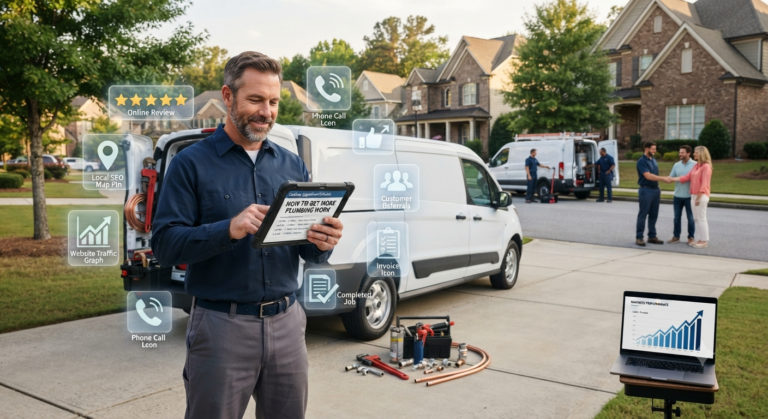
Plumbing offers diverse career paths, from working in residential settings to specializing in commercial or industrial plumbing. The demand for skilled plumbers remains steady, providing job security and opportunities for career advancement. With experience, many professionals choose to start a plumbing business of their own, taking on roles like project manager or company owner. Running a successful plumbing business also means learning how to market your services and generate consistent plumbing leads to keep your schedule full.
FAQs About Learning Plumbing
How long does it take to learn plumbing? The time it takes varies, but typically, an apprenticeship lasts about 4-5 years, combining hands-on training with classroom instruction.
What are the hardest parts of learning plumbing? Understanding complex systems and troubleshooting under pressure can be challenging for beginners.
Can I learn plumbing online? Yes, online courses can provide foundational knowledge, but practical experience is essential for skill mastery.
What tools do beginner plumbers need? Basic tools include wrenches, pliers, pipe cutters, and a plumber’s snake.
Is plumbing harder than electrical work? Both trades have unique challenges; plumbing requires mechanical skills, while electrical work demands a strong grasp of electrical systems and safety.
What certifications are needed to become a plumber? Certification requirements vary by region, but typically include completing an apprenticeship and passing a licensing exam.
How much do plumbing services cost? Rates vary by job complexity and location. You can review a detailed breakdown of plumbing cost in Edmond to get a sense of typical pricing in the area.
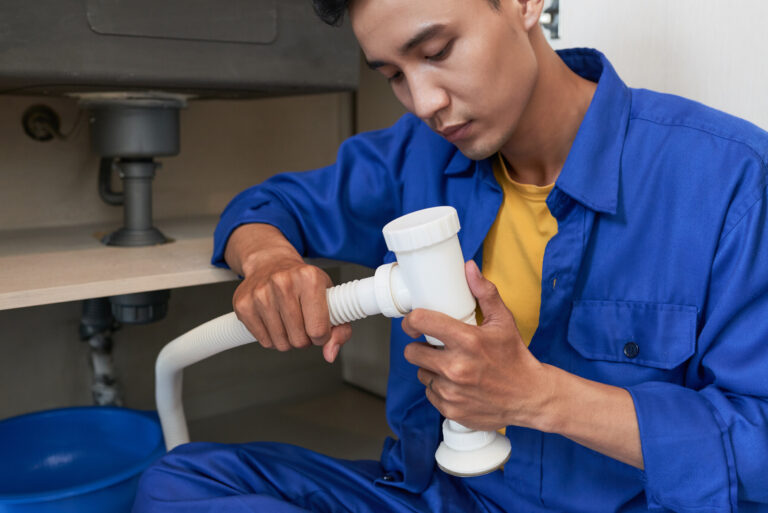
Are there beginner-friendly plumbing projects? Yes, simple tasks like fixing leaks or unclogging drains are great starting points for beginners.
Deciding to learn plumbing is a commitment that can lead to a rewarding career or valuable DIY skills. Whether you choose to enroll in formal training or start with online courses, remember that patience and practice are key to mastering plumbing. Explore local apprenticeship opportunities, connect with industry professionals, and keep honing your skills. If you’re ready to dive into the world of plumbing, now is the time to start your journey.