How to Unclog Toilet Without Plunger
A clogged toilet can happen at the worst possible time, and not everyone has a plunger within reach. The good news is that many toilet blockages can be cleared using simple household items and a little patience. If you’re wondering how to unclog toilet without plunger, there are several safe methods you can try before calling a plumber.
The key is to avoid panic and never keep flushing a clogged toilet, as this can cause the bowl to overflow and create an even bigger mess. In this guide, you’ll learn practical techniques that work, what mistakes to avoid, and when it’s time to seek professional help.
Why Toilets Get Clogged
Understanding the cause of a clog can help you choose the right solution. Some of the most common reasons include:
- Excessive toilet paper.
- Flushing wipes labeled as “flushable.”
- Children’s toys or foreign objects.
- Feminine hygiene products.
- Paper towels or tissues.
- Mineral buildup in older plumbing systems.
In some cases, a clogged toilet may also point to a larger issue within your home’s drainage system.
Safety Steps Before You Begin
Before trying any unclogging method:
- Turn off the water supply valve if the water level is rising.
- Wear rubber gloves for hygiene.
- Place old towels around the toilet base to catch any spills.
- Wait a few minutes if the bowl is nearly full, allowing the water level to settle.
These simple precautions make cleanup much easier if things become messy.
Method 1: Use Hot Water and Dish Soap
One of the easiest solutions requires only two common household items.
What You’ll Need
- Dish soap
- A bucket of hot (not boiling) water
Steps
- Pour a generous amount of dish soap into the toilet bowl.
- Let it sit for 10 to 15 minutes.
- Carefully pour hot water from waist height into the bowl.
- Wait another 10 minutes.
The soap helps lubricate the blockage while the warm water softens waste and toilet paper. This combination often clears minor clogs naturally.
Avoid boiling water because extreme heat may crack porcelain toilets.
Method 2: Baking Soda and Vinegar
This classic household combination creates a fizzing reaction that can loosen certain blockages.
What You’ll Need
- One cup baking soda
- Two cups white vinegar
Steps
- Add the baking soda first.
- Slowly pour in the vinegar.
- Allow the mixture to fizz for about 30 minutes.
- Finish by adding hot water.
This method works best on organic waste rather than solid objects.
Method 3: Use a Toilet Brush Carefully
If the blockage is close to the drain opening, a sturdy toilet brush may help.
Insert the brush into the drain and gently push while twisting the handle. The goal is to break apart soft material instead of forcing it deeper into the pipes.
Clean and disinfect the brush thoroughly after use.
Method 4: Create a Makeshift Pressure Tool
If you don’t own a plunger, you may be able to create temporary pressure using household materials.
Some people wrap a toilet brush inside a plastic garbage bag before gently pushing into the drain. The bag creates a tighter seal that improves pressure.
Work slowly to avoid splashing water.
Method 5: Try an Enzyme-Based Drain Cleaner
Modern enzyme cleaners are designed to break down organic waste without damaging plumbing.
Unlike harsh chemical drain cleaners, enzyme products are generally safer for toilets and septic systems when used correctly.
Always follow the manufacturer’s instructions and allow enough time for the enzymes to work before flushing.
Method 6: Use a Toilet Auger
A toilet auger, sometimes called a closet auger, is specifically designed for toilets.
Unlike standard drain snakes, toilet augers have a protective sleeve that helps prevent scratches inside the bowl.
Insert the cable carefully, rotate the handle, and pull back once you feel the clog breaking apart.
This tool is especially effective for stubborn blockages caused by compacted waste or paper.
Common Mistakes to Avoid
Many people accidentally make a clog worse by using the wrong techniques.
Avoid these common mistakes:
- Repeatedly flushing a blocked toilet.
- Pouring boiling water into porcelain.
- Using excessive force with sharp tools.
- Mixing multiple chemical cleaners together.
- Ignoring recurring clogs.
If clogs happen frequently, the issue may not be inside the toilet itself.
When the Problem May Be Bigger
A single clogged toilet is usually manageable. However, multiple slow drains around your home could indicate a larger plumbing issue.
Signs include:
- Gurgling sounds from nearby drains.
- Water backing up into sinks or tubs.
- Several toilets clogging at once.
- Unpleasant sewer odors.
These symptoms may point to blocked sewer lines, tree root intrusion, or damaged pipes that require professional inspection.
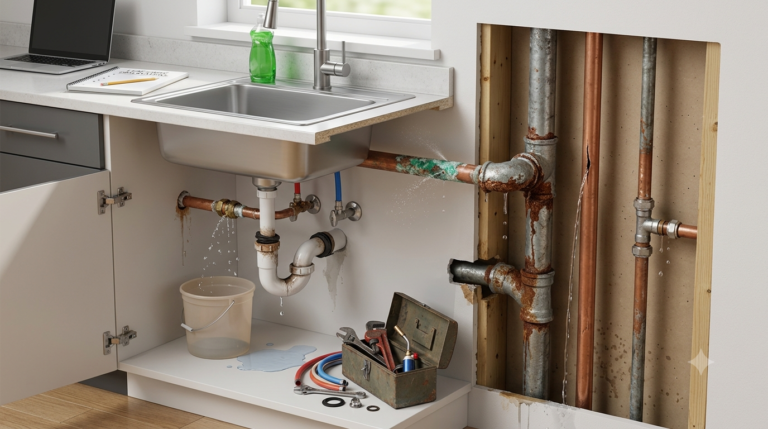
Learning about common causes plumbing leaks can also help homeowners recognize early warning signs before small drainage issues become expensive repairs.
Preventing Future Toilet Clogs
Prevention is always easier than fixing a blockage.
Only Flush Toilet Paper
Even products marketed as flushable may not break down quickly enough inside residential plumbing.
Use Less Toilet Paper
Large amounts of toilet paper are among the most common reasons for clogs.
Schedule Regular Plumbing Maintenance
Routine inspections help identify developing problems before they become emergencies.
Keeping every plumbing fixture in your home in good condition reduces unnecessary strain on your drainage system.
Teach Children What Shouldn’t Be Flushed
Many toilet blockages happen because toys or other objects accidentally end up in the bowl.
Simple household rules can prevent expensive plumbing repairs.
Should You Use Chemical Drain Cleaners?
Strong chemical drain cleaners are rarely recommended for toilets.
Many products generate heat and contain corrosive ingredients that can damage pipes, toilet seals, or septic systems if used repeatedly.
Safer alternatives, including enzyme cleaners, hot water, and mechanical tools, usually provide better long-term results without unnecessary risk.
Does Home Insurance or a Warranty Help?
Many homeowners assume every plumbing problem is automatically covered, but coverage varies depending on the cause of the issue.
If you’re dealing with recurring plumbing problems, it’s worth understanding whether a home warranty cover plumbing leaks in your specific plan. Knowing what’s included before an emergency occurs can save both time and unexpected repair costs.
When to Call a Professional Plumber
While many toilet clogs can be handled at home, some situations require expert assistance.
Call a plumber if:
- The toilet repeatedly clogs.
- Water backs up into multiple fixtures.
- You suspect a foreign object is lodged in the drain.
- DIY methods fail after several attempts.
- Sewage odors continue to appear.
Professional plumbers have specialized cameras and drain equipment that can quickly identify deeper problems without unnecessary guesswork.
Final Thoughts
Knowing how to unclog toilet without plunger can save you stress, money, and an inconvenient emergency call. Simple methods such as dish soap and hot water, baking soda and vinegar, enzyme cleaners, or a toilet auger often solve everyday clogs safely and effectively.
The most important step is to remain patient and avoid actions that could worsen the blockage. If your toilet continues to clog or multiple drains begin showing signs of trouble, it’s best to have the plumbing system inspected before a minor issue turns into a major repair.
With the right approach and a few basic household supplies, many toilet clogs can be resolved quickly while keeping your bathroom clean and your plumbing system running smoothly.