Exposed Pipes: How to Hide Laundry Room Plumbing
Laundry rooms are designed around function, but that does not mean they have to look unfinished. Exposed water lines, drainpipes, valves, hoses, and electrical connections can make an otherwise clean laundry room feel cluttered. Fortunately, there are several practical ways to hide laundry room plumbing without making future maintenance difficult.
The key is to conceal the plumbing while keeping important connections accessible. A washing machine may need servicing, a shutoff valve may need to be replaced, or a drain line may eventually require attention. The best solution should therefore balance appearance, accessibility, ventilation, and safety.
Whether you are remodeling a small laundry area or finishing a larger utility room, these ideas can help you create a cleaner and more organized space.
Why Is Laundry Room Plumbing Often Exposed?
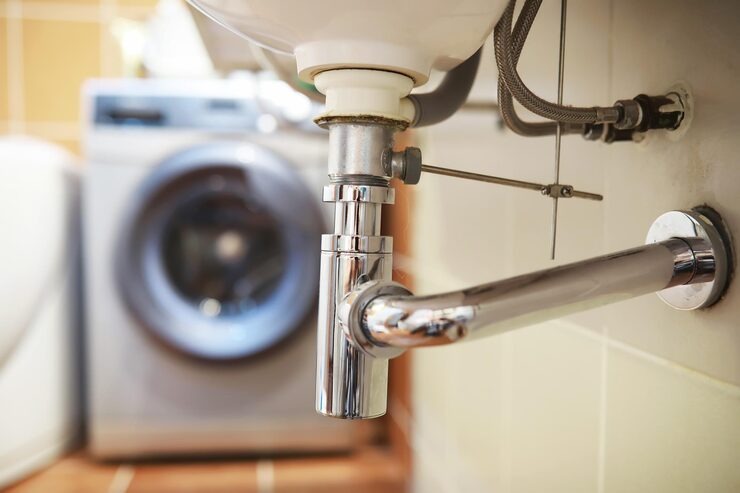
Laundry plumbing is frequently visible because washing machines require several connections. These commonly include hot and cold water supply lines, a drain connection, shutoff valves, and sometimes a utility sink or additional plumbing fixtures.
In older homes, pipes may have been installed on the outside of walls rather than inside them. Even newer installations can leave plumbing exposed when the room was designed primarily for utility rather than appearance.
Moving pipes into a wall is one option, but it is not always practical. Cutting into walls can increase the cost of a renovation and may make future repairs more complicated.
For many homeowners, building a simple enclosure or using cabinetry provides a better balance between appearance and accessibility.
What Should You Consider Before Hiding Pipes?
Before covering laundry room plumbing, inspect the entire installation.
Look for leaks, corrosion, loose fittings, damaged hoses, and signs of moisture. Hiding a problem behind a wall or cabinet can make it much harder to detect later.
You should also identify shutoff valves and pressure-control components. A pressure valve, for example, should remain accessible if it needs inspection, adjustment, or replacement.
Think about where the washing machine will be positioned and how much clearance is required around it. Avoid creating an enclosure that makes it difficult to pull the appliance forward for maintenance.
1. Install a Removable Plumbing Box
One of the simplest solutions is to construct a shallow box around the exposed pipes.
A framed enclosure can be covered with drywall, PVC panels, wood, or another suitable finish. The enclosure can then be painted to match the surrounding wall.
The important detail is accessibility. Instead of permanently sealing every connection, create a removable panel or access door.
This approach works particularly well when pipes are grouped together in one area. It creates a clean appearance without requiring the entire wall to be rebuilt.
Make the Access Panel Easy to Use
Do not hide the access panel behind the washing machine if you can avoid it. A panel located beside or above the appliance can make future maintenance significantly easier.
The panel should also be large enough for a technician to reach the components inside.
2. Use Laundry Room Cabinets
Cabinetry can make exposed plumbing almost disappear while adding useful storage.
A custom cabinet can be designed around water lines and drainpipes, creating a finished appearance while providing space for detergents, cleaning products, towels, and other household supplies.
If you have a utility sink, cabinets underneath it can conceal drain and supply connections naturally.
For washing-machine plumbing, a tall cabinet beside the appliance may also hide vertical pipes without taking up much additional floor space.
However, cabinets should not permanently trap moisture. Leave appropriate ventilation where necessary and make sure plumbing connections remain reachable.
3. Build a False Wall
If several pipes run vertically or horizontally across a wall, a shallow false wall can provide a neat solution.
Instead of trying to hide each individual pipe, you can build a new surface in front of the entire plumbing area. This produces a more uniform appearance and can make the room look intentionally designed.
The depth of the false wall depends on the size and location of the pipes.
Before building it, make sure there is enough space for valves, fittings, and future repairs. You should also consider whether the wall will interfere with appliance placement.
4. Use Decorative Pipe Covers
Not every laundry room requires construction work.
Decorative pipe covers can conceal individual exposed pipes quickly. These products are available in different materials and finishes, making it possible to coordinate them with the room.
Pipe covers are especially useful when the plumbing is structurally sound but visually distracting.
They can also be removed more easily than a permanent wall, which makes them convenient in rental properties or temporary renovations.
However, do not use decorative covers to hide an active leak. Always repair plumbing problems before covering them.
5. Hide Pipes Behind a Countertop
If your laundry room includes a folding counter, you may be able to conceal horizontal plumbing beneath or behind it.
A countertop can create a practical work surface while visually separating the plumbing from the rest of the room.
This method works particularly well for laundry rooms where the washing machine and dryer sit below a continuous countertop.
Make sure the counter does not prevent access to shutoff valves or electrical components. The design should also allow the washing machine to be removed when necessary.
6. Paint Exposed Pipes
Sometimes hiding plumbing completely is unnecessary.
Painting exposed pipes the same color as the wall can make them much less noticeable. This is an inexpensive solution for pipes that cannot easily be relocated.
Use a coating appropriate for the pipe material and the surrounding environment. Clean and prepare the surface first, and never paint over a leaking connection or damaged pipe.
For an industrial or modern laundry room, exposed pipes can even become part of the design rather than something that needs to disappear.
Think About Plumbing Repairs Before Concealing Anything
A major mistake homeowners make is focusing entirely on appearance.
Plumbing systems require periodic maintenance. Connections can loosen, valves can fail, and older pipes may eventually develop leaks.
If your laundry room contains older metal connections or sections that may require repair, consider having them inspected before covering them. In some situations, existing joints may need to be repaired using techniques such as solder plumbing, depending on the pipe material and installation.
The goal is to avoid finishing the room only to discover that plumbing needs to be opened again.
Check for Leaks Before Closing the Wall
Never cover plumbing until you are confident that the system is working properly.
Turn on the washing machine supply, inspect connections, and check the drain while the machine operates. Look for moisture around valves, hoses, fittings, and drain connections.
A professional assessment can be worthwhile if you notice unexplained dampness, staining, corrosion, or recurring plumbing problems. For homeowners in Oklahoma, a plumbing inspection in Edmond can help identify problems before a renovation permanently conceals the pipes.
Even if you are not experiencing an obvious leak, an inspection can provide peace of mind when dealing with older plumbing.
Keep Important Components Accessible
The best-hidden plumbing is plumbing that remains serviceable.
Do not permanently cover:
- Main or fixture shutoff valves
- Pressure-control components
- Cleanouts
- Drain access points
- Important pipe connections
- Appliance water connections
- Components that require periodic maintenance
Use removable panels, cabinet doors, or strategically placed openings wherever access may be needed.
Which Option Is Best for Your Laundry Room?
The right solution depends on the room and the plumbing layout.
For a low-cost improvement, painting pipes or installing decorative covers may be enough. Cabinets are useful when you also need storage. A removable box is practical when plumbing is concentrated in one area, while a false wall can provide the cleanest appearance when multiple pipes run across a larger section.
The most important consideration is not simply how well the plumbing disappears. It is how easily you can access it later.
Final Thoughts
Exposed laundry room plumbing does not have to remain an eyesore. With thoughtful planning, you can conceal pipes using cabinets, removable panels, false walls, decorative covers, countertops, or even paint.
Before hiding anything, inspect the plumbing carefully and repair existing problems. Keep shutoff valves, pressure-related components, drain access, and important connections reachable.
A successful laundry room renovation should look clean while remaining practical. When appearance and accessibility are considered together, you can hide unsightly plumbing without creating unnecessary problems for future maintenance.