What is a Plumbing Fixture? Types, Materials, and Modern Trends
Plumbing fixtures are essential components of any water supply system, serving both functional and aesthetic roles in residential and commercial settings. Understanding what a plumbing fixture is, the various types available, and how to choose the right one can greatly enhance the efficiency and style of your spaces. From the moment you turn on a faucet in the morning to the last flush before bed, fixtures shape how you interact with water throughout your day. This guide will explore everything from basic definitions to the latest trends in plumbing fixture design, helping you make confident decisions whether you’re building new, renovating, or simply replacing a worn-out piece.
What is a Plumbing Fixture?
A plumbing fixture is a device that is connected to a water supply system, designed to deliver and drain water in a building. These fixtures are integral to daily life, enabling activities such as washing, bathing, and cooking. Common examples include sinks, toilets, bathtubs, and faucets. Distinct from plumbing fittings, which connect pipes and regulate water flow, fixtures are the end-point devices used by individuals.
The distinction matters more than it might seem. Fittings — elbows, couplings, valves, and tees — live largely out of sight inside walls and under floors, quietly directing water where it needs to go. Fixtures, by contrast, are the visible, hands-on interfaces you touch every day. Because they endure constant use, exposure to moisture, and fluctuating water pressure, the quality and condition of your fixtures have a direct impact on both your comfort and the long-term health of your entire plumbing network.
Types of Plumbing Fixtures
Bathroom Fixtures
Bathroom fixtures are crucial for hygiene and comfort. Key examples include:
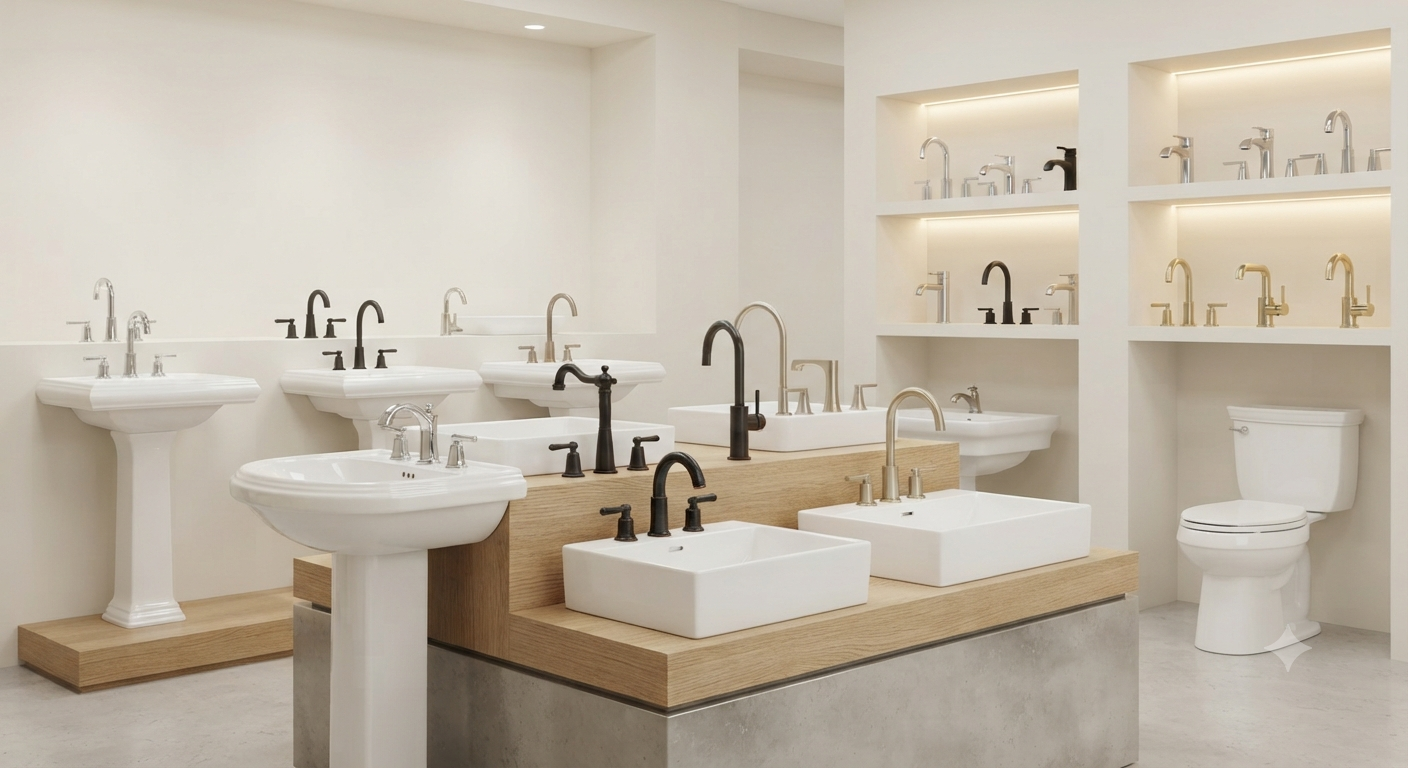
- Sinks: Available in various designs, from pedestal to wall-mounted, allowing you to balance counter space, storage, and visual style.
- Toilets: Options range from traditional two-piece models to modern tankless versions, with dual-flush designs offering added water savings.
- Bathtubs: Freestanding, alcove, and whirlpool tubs cater to different preferences and spaces, from compact bathrooms to spa-like retreats.
- Showerheads: From rain showers to handheld models, choices abound — and many now include flow-restricting features that conserve water without weakening the experience.
Because bathrooms see heavy daily use and constant humidity, the fixtures you choose here work harder than almost anywhere else in the home. Selecting corrosion-resistant materials and reliable seals pays off over years of service.
Kitchen Fixtures
Efficiency and style in the kitchen are often defined by its fixtures:
- Faucets: Pull-down, pull-out, and touchless faucets offer convenience and style, making everyday tasks like rinsing produce or filling pots noticeably easier.
- Dishwashers: Integrated into the plumbing system for seamless operation, connecting to both the water supply and drain lines.
- Sinks: Options include single or double bowl designs, often made of stainless steel or ceramic, chosen to match both workflow and countertop aesthetics.
The kitchen is a high-traffic zone where fixtures face grease, food debris, and frequent temperature changes. Durability and ease of cleaning should weigh heavily in your choices here.
Utility Room Fixtures
Utility rooms benefit from durable and practical fixtures such as:
- Washers: Connected directly to the water supply for laundry needs, with hoses that should be inspected periodically for wear.
- Utility Sinks: Designed for heavy-duty tasks, often larger and deeper than kitchen sinks, ideal for cleaning tools, hand-washing garments, or potting plants.
These fixtures rarely get the design attention their more visible counterparts receive, but their robustness is essential — a failure in a utility room can quickly lead to flooding in an area that isn’t checked as often.
Materials Used in Plumbing Fixtures
The choice of material impacts both the durability and the aesthetic of plumbing fixtures. Common materials include:
- Brass: Known for its durability and resistance to corrosion, making it a long-lasting choice for faucets and valves.
- Stainless Steel: Popular for its sleek appearance and strength, widely used for sinks and modern hardware.
- Ceramic: Favored for its classic look and ease of cleaning, common in toilets and sinks.
- Plastic: Used in budget-friendly fixtures, offering variety in design at a lower price point.
Material choice affects more than looks — it determines how well a fixture stands up to years of water exposure. Even metals prized for their resilience aren’t immune to gradual wear. Understanding what causes pinhole leaks in copper plumbing can help you recognize early warning signs, since the same corrosive processes that affect supply lines can eventually reach the metal components of your fixtures. Catching these issues early prevents small drips from becoming expensive water damage.
Choosing the Right Plumbing Fixture
When selecting plumbing fixtures, several factors should be considered:
- Functionality: Ensure the fixture meets your practical needs, whether that’s a deep sink for a busy kitchen or a comfort-height toilet.
- Style: Choose designs that complement your interior decor, coordinating finishes across a room for a cohesive look.
- Water Efficiency: Opt for fixtures with high efficiency to conserve water and reduce bills over time.
- Budget: Consider long-term value over initial costs, since a cheaper fixture that fails early often costs more in the end.
It helps to think of fixture selection as a balance rather than a single priority. A stunning faucet that wastes water or a bargain toilet that runs constantly will undermine the value it seemed to offer. Weighing all four factors together leads to choices you’ll be satisfied with for years.
Maintenance Tips for Plumbing Fixtures
Regular maintenance can extend the life of your plumbing fixtures. Learning how to properly maintain home plumbing systems protects not only the fixtures you see but also the pipes and connections hidden behind them:
- Clean Regularly: Use appropriate cleaning agents to prevent buildup and stains, avoiding harsh abrasives that can scratch finishes.
- Check for Leaks: Regularly inspect for drips or leaks, which can lead to water waste and damage. Understanding the common causes plumbing leaks — from worn washers and loose connections to high water pressure — makes it far easier to catch problems before they escalate. And when damage does occur, many homeowners naturally wonder, “does homeowners insurance cover plumbing issues?” Knowing your policy’s coverage in advance can save considerable stress later.
- Inspect Seals: Ensure seals and gaskets are intact to prevent leaks, replacing them at the first sign of cracking or hardening.
- Hire Professionals: For complex issues, consult a professional plumber to avoid damage that a well-intentioned DIY fix might make worse.
A little consistency goes a long way. Setting a simple seasonal reminder to walk through your home and check each fixture takes only minutes but can spare you from the disruption and cost of a major failure.
Modern Trends in Plumbing Fixtures
Smart Technology
Smart plumbing fixtures are gaining popularity, offering features like touchless operation, digital temperature control, and water usage tracking. These innovations enhance convenience and efficiency. Touchless faucets reduce the spread of germs and cut down on wasted water, while smart shower systems let you preset your ideal temperature. Some connected devices can even detect unusual flow patterns and alert you to a potential leak before it causes serious harm.
Eco-Friendly Options
As sustainability becomes a priority, eco-friendly plumbing fixtures are designed to minimize water usage without sacrificing performance. Look for fixtures with WaterSense labels to ensure efficiency. Low-flow toilets, aerated faucets, and efficient showerheads can dramatically reduce household water consumption over a year, lowering both your environmental footprint and your utility bills. As municipal water costs rise in many regions, these upgrades increasingly pay for themselves.
Frequently Asked Questions
What are common plumbing fixtures? Common fixtures include sinks, toilets, faucets, and bathtubs, along with showerheads, dishwashers, and utility sinks.
How do plumbing fixtures work? They connect to the water supply to deliver and drain water for everyday use, relying on a network of pipes and fittings behind the scenes.
What materials are best for plumbing fixtures? Brass, stainless steel, and ceramic are popular for their durability and aesthetic appeal, each suited to different applications and budgets.
How to maintain plumbing fixtures? Regular cleaning, leak checks, and professional inspections are key maintenance steps that keep fixtures performing well for years.
Can I install plumbing fixtures myself? Some installations are DIY-friendly, but complex tasks may require professional help to avoid leaks and code violations.
Conclusion
Understanding plumbing fixtures is crucial for making informed decisions about your home or business’s water supply system. Whether you’re renovating a bathroom or simply replacing a kitchen faucet, choosing the right fixture can significantly impact both functionality and style. By paying attention to materials, maintenance, and efficiency, you protect your investment and keep your plumbing running smoothly. Explore the latest trends in smart and eco-friendly designs to ensure your fixtures meet modern standards of efficiency and convenience. Ready to upgrade your plumbing fixtures? Start by assessing your needs and exploring the wide range of options available today.