
Is Plumbing a Blue Collar Job? Understanding the Profession and Its Opportunities
When considering a career in the trades, one question often arises: Is plumbing considered a blue-collar job? Understanding the classification of plumbing within the workforce can help individuals make informed decisions about pursuing this career path. In this article, we delve into the nature of plumbing as a profession, exploring its characteristics, requirements, and future prospects.
Understanding Blue Collar Jobs
Blue-collar jobs are typically defined by their focus on manual labor and skilled trades. These roles often require physical work and the application of specific skill sets, making them distinct from white-collar jobs, which usually involve office work and professional tasks. Examples of blue-collar professions include electricians, mechanics, and, of course, plumbers.
The Difference Between Blue Collar and White Collar Jobs
The primary distinction between blue-collar and white-collar jobs lies in the nature of the work performed. While blue-collar workers engage in hands-on tasks, white-collar employees are generally involved in administrative, managerial, or analytical work. This classification influences educational requirements, salary expectations, and career progression pathways.
The Plumbing Profession
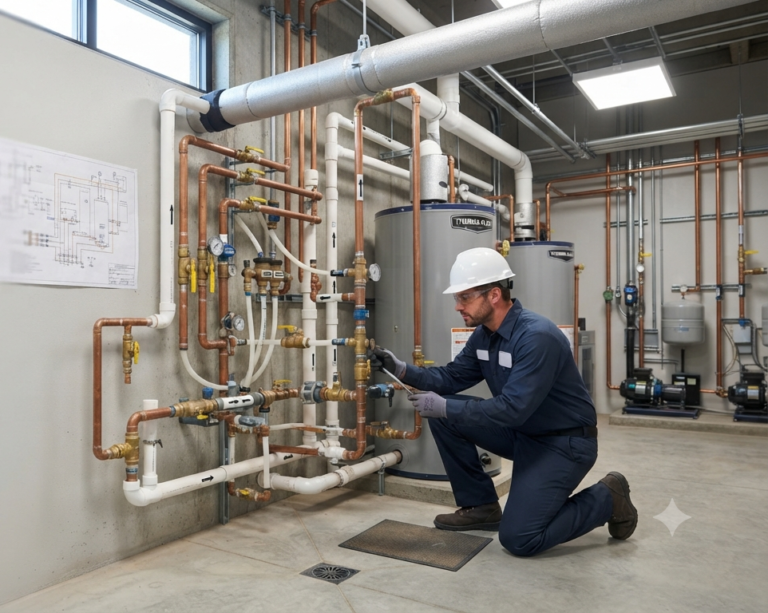
Before diving deeper, it helps to understand what is plumbing and where the trade fits into the wider economy. Plumbing is a vital trade within the blue-collar sector, playing a crucial role in maintaining infrastructure and ensuring public health. The responsibilities of a plumber include installing, repairing, and maintaining piping systems in residential, commercial, and industrial settings. This profession requires a combination of technical knowledge, problem-solving skills, and physical endurance.
Why Plumbing is a Blue Collar Job
Historically, plumbing has been categorized as a blue-collar job due to its reliance on manual labor and technical expertise. The profession has evolved significantly, but it remains rooted in physical work and practical skills. Furthermore, societal perceptions of blue-collar jobs have shifted, recognizing their importance and the economic stability they can offer.
Skills and Training for Plumbers
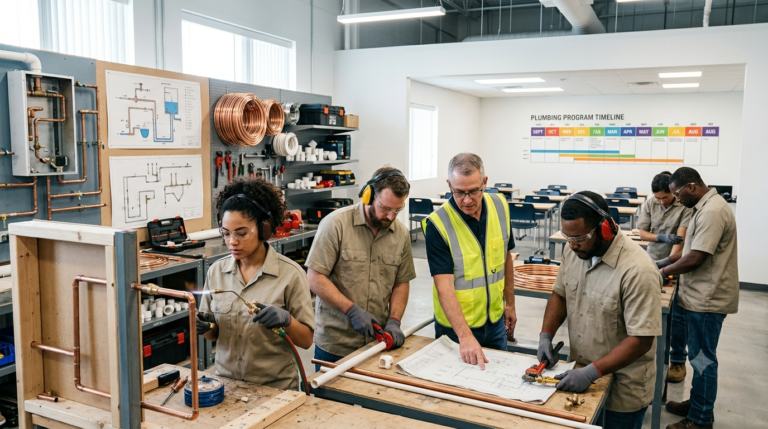
To become a plumber, individuals need to acquire specific skills and training. This often involves vocational education and apprenticeships, where aspiring plumbers gain hands-on experience under the guidance of seasoned professionals. If you’ve ever wondered whether plumbing is hard to learn, the honest answer is that it takes commitment, but the structured path of classroom study and on-the-job training makes it very achievable. Certifications and licensing are also essential to ensure compliance with industry standards and safety regulations. Local rules vary, so anyone planning to work in central Oklahoma should look into how to get a plumbing license in Edmond before taking on paid work.
- Technical knowledge of piping systems
- Problem-solving and analytical skills
- Physical stamina and dexterity
- Understanding of safety standards
Career Path and Opportunities
Plumbing offers a clear career path with opportunities for advancement. Starting as an apprentice, individuals can progress to journeyman and master plumber status, gaining increased responsibilities and earning potential. As you move up, learning how to organize plumbing work — from scheduling and inventory to job tracking — becomes just as important as technical skill. As technology evolves, plumbers who stay updated with the latest advancements can enhance their marketability and job security.
Many experienced plumbers eventually choose to start a plumbing business of their own, turning years of field expertise into an independent, revenue-generating operation.
Growth Potential and Industry Demand
The demand for skilled plumbers remains robust, driven by the need for new construction, infrastructure maintenance, and retrofitting old systems with modern, eco-friendly solutions. This demand translates into job security and competitive salaries, making plumbing an attractive blue-collar career choice.
Benefits and Challenges
Choosing a career in plumbing comes with its own set of benefits and challenges. On the one hand, plumbers enjoy job stability, diverse work environments, and the satisfaction of solving practical problems. On the other hand, the profession can be physically demanding and may require working in challenging conditions.
Future of Plumbing
As technology continues to advance, the plumbing industry is not left behind. Innovations such as smart plumbing systems, water-efficient technologies, and eco-friendly practices are transforming the trade. Plumbers who embrace these changes are well-positioned to thrive in a future that values sustainability and technological adeptness.
FAQ
What defines a blue-collar job? Blue-collar jobs are primarily manual labor roles that often require specific technical skills and involve hands-on work.
How does plumbing compare to other trades? Plumbing is similar to other trades in its reliance on skilled labor and technical expertise, but it is unique in its focus on water systems and infrastructure.
What qualifications are needed to become a plumber? Prospective plumbers typically need vocational training, apprenticeships, and relevant certifications to enter the field.
Are plumbers well paid? Yes, plumbers generally earn competitive wages, with potential for higher earnings as they gain experience and expertise.
How does technology impact plumbing jobs? Technology introduces new tools and methods in plumbing, enhancing efficiency and opening opportunities for specialization in innovative systems.
In summary, plumbing is unequivocally a blue-collar job, distinguished by its reliance on skilled manual labor and technical proficiency. For those contemplating a career in the trades, plumbing offers a rewarding path with diverse opportunities, job security, and the potential for professional growth in an evolving industry. If you’re considering this path, embrace the training and technological advancements to ensure a successful career in plumbing.