What is a P-Trap in Plumbing?
In plumbing, the importance of small components often goes unnoticed until something goes wrong. The P-trap, a deceptively simple yet crucial part of the plumbing system, plays a pivotal role in maintaining a hygienic and odor-free environment in your home. Whether you’re a homeowner curious about your plumbing system or a DIY enthusiast looking to tackle minor plumbing tasks, understanding the function and significance of the P-trap is essential. In this article, we’ll explore the fundamental aspects of P-traps, from their function and installation to maintenance and troubleshooting.
Introduction to P-Traps
A P-trap is a U-shaped pipe located beneath sinks, toilets, and other plumbing fixtures. Its primary function is to trap water in the bend, creating a water seal that prevents sewer gases from entering your home. The name “P-trap” derives from its shape, which resembles the letter “P” when installed. This simple yet effective design has been a staple in plumbing systems for over a century, showcasing its reliability and importance.
How P-Traps Work
The Science Behind P-Traps
The fundamental principle behind the P-trap is the water seal. When water flows through the plumbing waste pipe, a small amount remains in the trap’s curve. This water acts as a barrier, blocking sewer gases from traveling up the drainage system and into your home. Without this seal, unpleasant odors and potentially harmful gases could escape from the sewer line, making the P-trap an indispensable component for indoor air quality and safety.
Types of P-Traps
Material Variations and Their Uses
P-traps come in various materials, each suited to specific applications:
- PVC: Lightweight and resistant to corrosion, PVC P-traps are commonly used in residential plumbing due to their affordability and ease of installation.
- Metal: Brass and chrome P-traps offer durability and aesthetic appeal, making them a popular choice for exposed plumbing under sinks.
- ABS: Known for its strength, ABS is often used in commercial settings where higher durability is required.
Choosing the right material depends on factors such as budget, aesthetic preference, and the specific requirements of your plumbing system.
Importance of P-Traps in Plumbing
The significance of the P-trap extends beyond odor prevention. By trapping debris and small objects that may accidentally fall into a sink or drain, P-traps help prevent clogs further down the plumbing system. Additionally, they play a role in preventing backflow, contributing to the overall efficiency of your drainage system.
Common Issues with P-Traps
Identifying and Solving Common Problems
While P-traps are generally reliable, they can encounter issues over time. Here are some common problems and solutions:
- Leaking: Often caused by loose connections or worn-out washers. Tightening the connections or replacing the washers usually resolves the issue.
- Dry Traps: Infrequent use can lead to the water seal evaporating, allowing sewer gases to enter. Running water through the fixture periodically can maintain the seal.
- Clogs: Accumulation of debris can cause blockages. Regular cleaning and using a plunger can help maintain optimal flow.
How to Install a P-Trap
Step-by-Step Guide with Tools Required
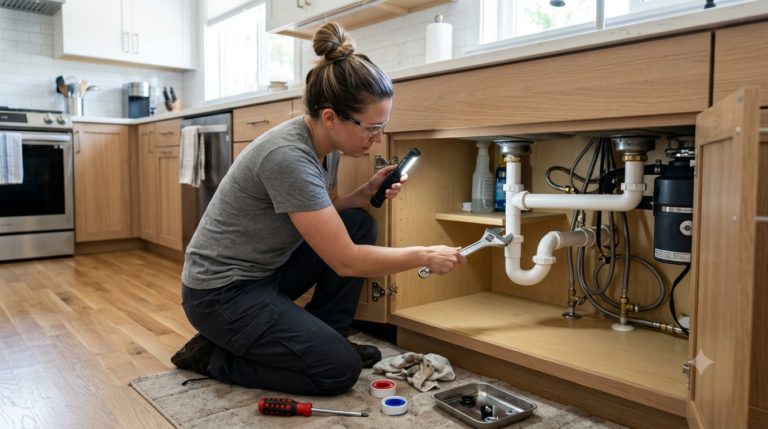
Installing a P-trap is a straightforward process that can be accomplished with basic tools:
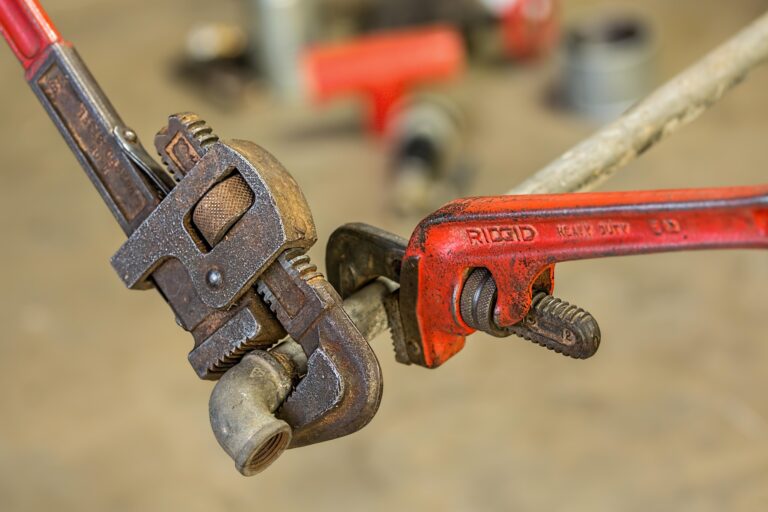
- Gather Tools: You’ll need a pipe wrench, pipe cutter, Teflon tape, and the P-trap assembly.
- Prepare the Pipes: Cut the pipe to the required length and smooth any rough edges.
- Connect the Trap: Attach the trap arm to the drain stub-out, ensuring a snug fit.
- Seal the Connections: Use Teflon tape on threaded connections to prevent leaks.
- Test for Leaks: Run water through the fixture and check for any leaks at the joints.
How to Maintain a P-Trap
Regular Maintenance Tips
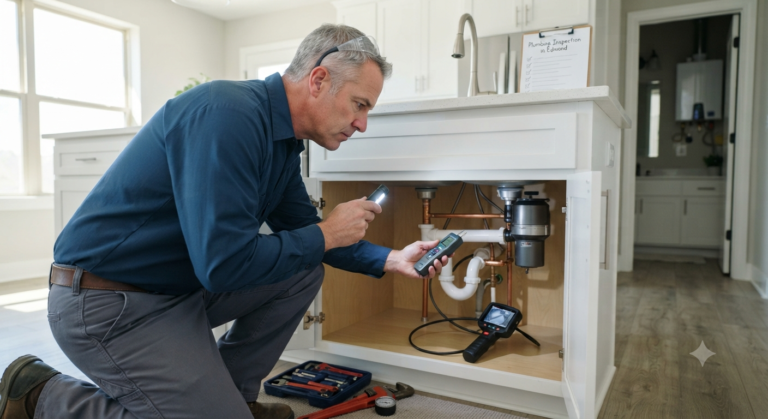
To ensure your P-trap functions effectively, follow these maintenance tips:
- Regular Cleaning: Periodically disassemble and clean the trap to remove debris and prevent clogs.
- Check for Leaks: Inspect connections regularly for signs of wear or leaks and address them promptly.
- Use Enzyme Cleaners: These can help break down organic material and reduce buildup within the trap.
Advanced Troubleshooting Techniques
If you encounter persistent issues with your P-trap, consider these advanced troubleshooting techniques:
- Inspect Venting: Ensure proper venting to prevent siphoning and maintain the water seal.
- Evaluate Pipe Slope: Check that the drain pipes have the correct slope to facilitate proper drainage.
- Professional Assessment: If problems persist, consult a professional plumber for a comprehensive evaluation.
Frequently Asked Questions
Here are some common questions about P-traps:
- How does a P-trap prevent odors? The water seal in the P-trap blocks sewer gases from escaping into your home, preventing unpleasant odors.
- Can a P-trap dry out? Yes, if not used frequently, the water seal can evaporate. Running water periodically will maintain the seal.
- What are the signs of a clogged P-trap? Slow drainage and gurgling sounds are common indicators of a clogged P-trap.
- How often should a P-trap be cleaned? It’s advisable to clean P-traps every few months to prevent clogs and maintain efficient drainage.
- Why is my P-trap leaking? Leaks are often due to loose connections or damaged washers, which can be fixed by tightening or replacing the components.
Understanding the role of a P-trap in your plumbing system is crucial for maintaining a functional and odor-free home. By following the installation, maintenance, and troubleshooting tips provided, you can ensure your P-trap operates efficiently and effectively. For more detailed plumbing guidance, consider consulting a professional or referring to additional resources.
For further plumbing insights and DIY tips, explore our other articles or contact a professional plumber for personalized advice. Keep your plumbing system in top shape and enjoy a safe, comfortable home environment.