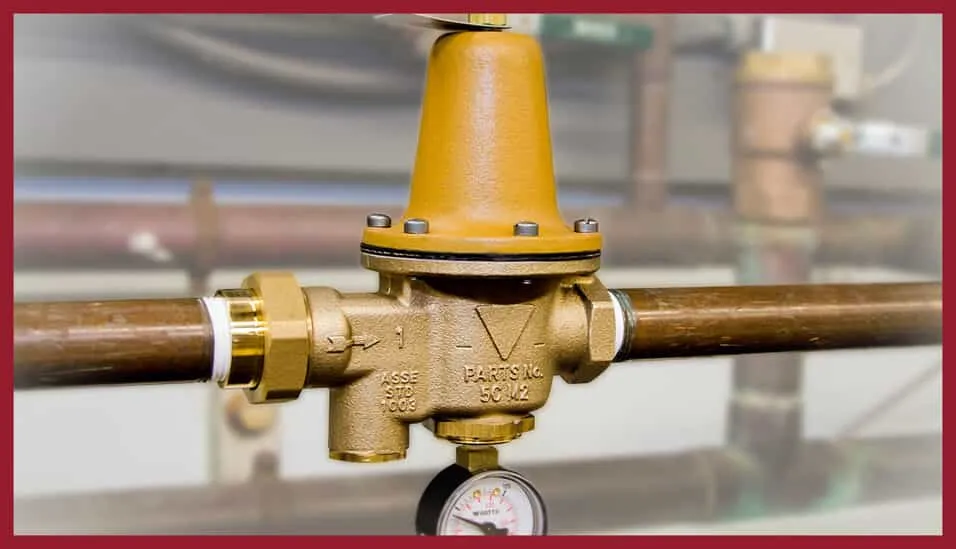
What is a PRV in Plumbing? A Comprehensive Guide
In residential and commercial plumbing systems, managing water pressure is crucial for both efficiency and longevity. A key component in this process is the Pressure Reducing Valve (PRV). This guide will explore what a PRV is, how it functions, and why it is an essential part of modern plumbing systems.
Understanding Pressure Reducing Valves (PRVs)
Definition and Purpose
A Pressure Reducing Valve (PRV) is a device used in plumbing systems to regulate the pressure of water flowing from the main supply line into the home. It ensures that the pressure is reduced to a safe and manageable level, preventing damage to pipes and appliances. Without this regulation, municipal water pressure — which can easily exceed 80 psi in some areas — would be pushed directly into a home’s fixtures, water heater, and supply lines, none of which are built to handle that kind of force over the long term.
Importance in Modern Plumbing
High water pressure can lead to leaks and pipe bursts, causing significant water damage and costly repairs. By installing a PRV, homeowners can protect their plumbing systems from these risks and ensure consistent water flow throughout their property. Most plumbing codes today recommend or require a PRV whenever incoming municipal pressure exceeds 80 psi, making it one of the more important — if often overlooked — safety devices in a home’s plumbing setup.
How Do PRVs Work?
Internal Mechanism and Components
PRVs function by utilizing a spring-loaded diaphragm that adjusts to incoming water pressure. As water enters the valve, the diaphragm compresses the spring, which reduces the pressure to a pre-set level before it exits the valve. Key components include the adjustment screw, diaphragm, and the main valve body.
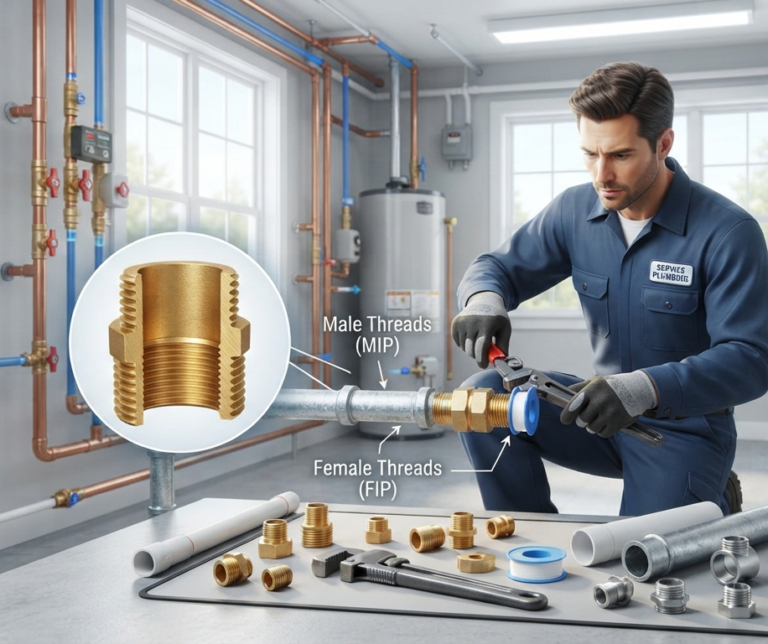
Most residential PRVs connect to the main line using threaded fittings, and it’s common to see these described using thread-type designations on the packaging or spec sheet. If you’ve ever wondered what “FIP” means on a plumbing fitting, it refers to the female threaded connection type frequently used to attach a PRV to the surrounding pipework, and getting this connection right is essential for a leak-free installation.
Key Features and Specifications
Modern PRVs are designed with adjustable settings, allowing users to set the desired pressure level, typically somewhere between 25 and 75 psi depending on the household’s needs. They are typically made from materials like brass or stainless steel for durability and resistance to corrosion. Many newer models also include an integrated pressure gauge or a test port, which makes it much easier to monitor performance over time without purchasing separate testing equipment.
Advantages of Installing PRVs
Water and Energy Conservation
Using a PRV contributes to water conservation by minimizing wastage due to leaks and excessive flow. Moreover, controlling water pressure can enhance the energy efficiency of water heaters and other appliances, leading to reduced utility bills. Appliances like dishwashers and washing machines are also less prone to premature wear when they aren’t constantly working against excessive incoming pressure.
Protecting Your Plumbing System
By maintaining optimal pressure, PRVs safeguard pipes and fixtures from damages that result from high pressure. This extends the life of your plumbing infrastructure and reduces maintenance costs. It’s also worth understanding how this fits into your broader financial protection — for instance, many homeowners are surprised to learn the specifics of whether homeowners insurance covers plumbing damage, since sudden pressure-related bursts and gradual, unaddressed pressure issues are often treated very differently by insurers.
Installation and Maintenance Tips
DIY Installation Guide
While a professional installation is recommended, skilled DIY enthusiasts can install a PRV with the right tools and instructions. Here is a basic guide:
- Turn off the main water supply.
- Drain the water from the system by opening faucets.
- Locate the main water line and cut a section for the PRV installation.
- Install the PRV in the correct orientation following manufacturer instructions.
- Turn the water supply back on and check for leaks.
When to Call a Professional
If unsure about the installation process or if dealing with complex plumbing systems, it is advisable to hire a professional plumber to ensure the PRV is correctly installed and adjusted. This is especially true in older homes, where existing pipe materials and layouts can complicate an otherwise straightforward installation.
Routine Maintenance Checklist
- Regularly check for leaks around the PRV and pipes.
- Test the water pressure periodically using a pressure gauge.
- Adjust the PRV as needed to maintain the desired pressure.
- Inspect the diaphragm and spring for wear every few years, as these are the components most likely to degrade over time.
A PRV shouldn’t be treated as a “set it and forget it” device. It’s just one piece of a much larger system, and pairing it with a broader routine — like the steps outlined in this guide on how to maintain a home plumbing system — will help you catch small issues before they become expensive ones.
Troubleshooting Common PRV Issues
Identifying Symptoms of a Faulty PRV
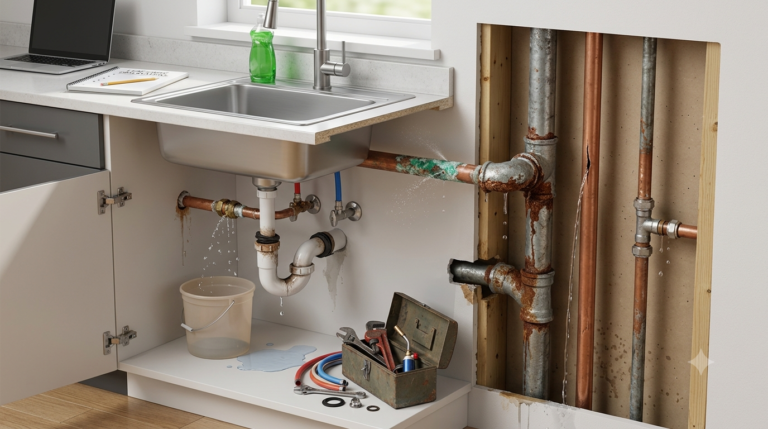
Signs of a failing PRV include fluctuating water pressure, unusual noises in pipes (such as banging or whistling), and water leaks. If any of these symptoms occur, it may indicate that the valve needs adjustment or replacement. A failing PRV is also one of several possible culprits behind unexplained moisture or dripping around your fixtures, so it’s worth reviewing the more common causes of plumbing leaks before assuming the valve itself is at fault.
Repair Solutions and Costs
Minor issues can often be resolved by adjusting the valve or replacing worn components, such as the spring or diaphragm. However, if the PRV is severely damaged, replacement might be necessary. The cost can vary depending on the model, brand, and complexity of the installation, and local labor rates play a big role too — if you’re budgeting for the work, this breakdown of typical plumbing costs in Edmond is a useful starting point for what to expect.
Choosing the Right PRV for Your Needs
Factors to Consider
When selecting a PRV, consider factors such as the size of your plumbing system, the material of the valve, and the ease of adjustment. It’s also essential to choose a model that complies with local plumbing codes and regulations, and to confirm the connection type matches your existing pipework so installation doesn’t require additional adapters.
Top Brands and Product Recommendations
Popular brands such as Watts, Zurn, and Honeywell offer reliable PRV models known for their durability and efficiency. Researching customer reviews and consulting with a plumbing professional can help in making an informed choice.
Frequently Asked Questions About PRVs
What does a PRV do in plumbing? A PRV reduces incoming water pressure to a safe level for your home’s plumbing system.
How do you know if your PRV is bad? Symptoms include fluctuating water pressure, leaks, and strange noises in the pipes.
How do you adjust a PRV? Use the adjustment screw on the valve to increase or decrease the pressure setting.
Can I install a PRV myself? Yes, if you have plumbing experience and follow safety guidelines; otherwise, hire a professional.
What are the benefits of a PRV? PRVs prevent plumbing damage, conserve water, and improve energy efficiency.
How long does a PRV typically last? Most PRVs last between 8 and 12 years, though this can vary based on water quality, usage, and how well the valve is maintained.
Conclusion
Integrating a PRV into your plumbing system is a proactive step towards maintaining the longevity and efficiency of your home’s water supply. Whether you’re considering a DIY installation or seeking professional help, understanding the role and function of a PRV can lead to more informed decisions and better management of your home infrastructure.