What is Commercial Plumbing? A Detailed Overview
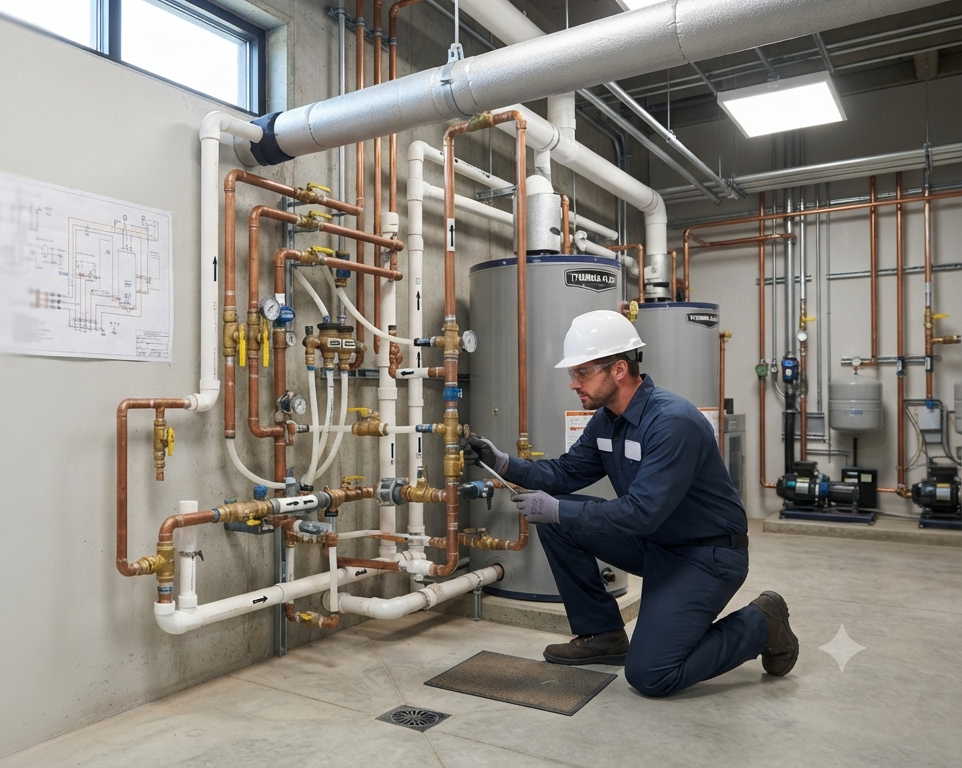
Commercial plumbing is the design, installation, repair, and maintenance of plumbing systems used in commercial buildings such as offices, hotels, schools, hospitals, shopping centers, restaurants, warehouses, and industrial facilities. These plumbing systems are built to serve dozens, hundreds, or even thousands of people every day, making them much larger and more complex than residential plumbing systems.
Unlike residential plumbing, commercial systems must handle higher water demand, larger drainage networks, specialized equipment, and strict building code requirements. Proper installation and routine maintenance help businesses avoid expensive repairs, water damage, and operational downtime.
Understanding Commercial Plumbing
Commercial plumbing includes every component responsible for supplying clean water, removing wastewater, and maintaining safe sanitation throughout a commercial property.
A commercial plumbing system commonly includes:
- Water supply lines
- Drain and waste piping
- Sewer connections
- Backflow prevention devices
- Commercial water heaters
- Gas piping
- Grease traps
- Stormwater drainage
- Restroom plumbing fixtures
Many commercial systems also include specialized equipment depending on the business type. Restaurants, healthcare facilities, and manufacturing plants often require customized plumbing installations that meet industry-specific regulations.
Understanding components such as a manifold in plumbing can also help property owners improve water distribution efficiency throughout larger buildings.
Commercial Plumbing vs Residential Plumbing
Although both systems move water and remove waste, they differ significantly.
| Residential Plumbing | Commercial Plumbing |
| Serves one family | Serves many occupants |
| Lower water usage | High water demand |
| Simple pipe layouts | Complex plumbing networks |
| Fewer fixtures | Multiple bathrooms and fixtures |
| Easier repairs | Repairs often require specialized equipment |
| Basic maintenance | Regular scheduled maintenance |
For example, a single-family home may have two bathrooms, while a hotel may have hundreds of bathrooms, kitchens, laundry rooms, pools, and mechanical rooms operating simultaneously.
Types of Commercial Plumbing Systems
Commercial buildings rely on several interconnected plumbing systems.
Water Supply Systems
These systems deliver clean water to sinks, kitchens, restrooms, cooling systems, and fire protection equipment.
Drainage Systems
Drainage pipes safely transport wastewater to municipal sewer systems while preventing backups and contamination.
Gas Piping
Many commercial kitchens, hotels, and factories require natural gas piping for cooking equipment, boilers, and heating systems.
Stormwater Drainage
Commercial roofs collect large amounts of rainwater that must be directed safely away from the building to prevent flooding.
Hot Water Systems
Hotels, hospitals, and apartment buildings often require commercial-grade water heaters capable of supplying hot water continuously.
Common Commercial Plumbing Services
Professional commercial plumbers offer a wide range of services to keep businesses operating smoothly.
Installation
Commercial plumbers install complete plumbing systems for new construction and building expansions, including:
- Water lines
- Sewer systems
- Gas piping
- Commercial water heaters
- Restroom fixtures
- Drainage systems
Businesses planning a remodel plumbing project should work with experienced commercial plumbers to ensure updated systems meet local building codes and future water demand.
Preventive Maintenance
Routine maintenance includes:
- Leak inspections
- Drain cleaning
- Water pressure testing
- Pipe inspections
- Valve maintenance
- Water heater servicing
Preventive maintenance reduces emergency repairs while extending the lifespan of plumbing equipment.
Emergency Plumbing Repairs
Commercial plumbing emergencies can quickly disrupt business operations.
Emergency services typically include:
- Burst pipe repair
- Sewer backups
- Water heater failures
- Gas leaks
- Overflowing toilets
- Broken water mains
Fast repairs minimize downtime and protect valuable property.
Why Regular Maintenance Matters
Routine inspections help businesses identify minor problems before they become expensive repairs.
Benefits include:
- Reduced repair costs
- Improved water efficiency
- Longer equipment lifespan
- Lower utility bills
- Fewer plumbing emergencies
- Better health and safety compliance
Many companies schedule annual or semi-annual inspections depending on building size and daily water usage.
Building Code Compliance
Commercial plumbing installations must meet local, state, and national plumbing codes.
These regulations ensure:
- Safe drinking water
- Proper waste disposal
- Correct pipe sizing
- Backflow prevention
- Fire safety compliance
Failure to comply with plumbing regulations may result in costly fines or mandatory repairs.
Contractors looking to expand their services should also understand local licensing requirements. For example, professionals interested in get plumbing license edmond can prepare for local regulations before taking on commercial work.
Common Commercial Plumbing Problems
Commercial properties experience plumbing issues that are less common in residential buildings.
These include:
Clogged Drains
Heavy daily usage often leads to grease, debris, and sediment buildup.
Pipe Leaks
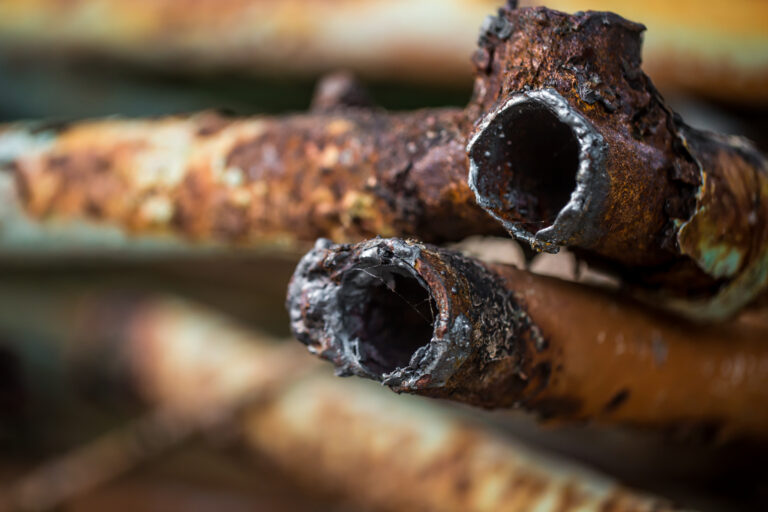
Older buildings frequently develop hidden pipe leaks that increase water bills.
Low Water Pressure
This may result from damaged pipes, mineral buildup, or faulty pressure regulators.
Sewer Line Backups
Tree roots, grease accumulation, and damaged sewer lines can create serious sanitation issues.
Water Heater Failures
Commercial water heaters experience heavy demand and require routine servicing.
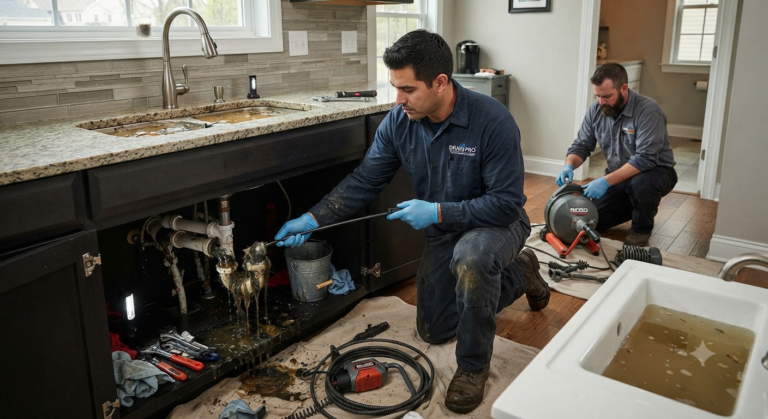
Professional plumbers often use hydro jetting, video camera inspections, and leak detection equipment to diagnose and solve these issues efficiently.
Sustainable Commercial Plumbing Solutions
Modern commercial buildings increasingly focus on water conservation.
Popular eco-friendly solutions include:
- Low-flow toilets
- Sensor-operated faucets
- Water-efficient urinals
- Rainwater harvesting systems
- Greywater recycling
- Smart leak detection systems
These upgrades help businesses reduce water consumption while lowering operating costs.
Factors That Affect Commercial Plumbing Costs
Commercial plumbing costs vary depending on several factors:
- Building size
- Number of plumbing fixtures
- Pipe materials
- Accessibility
- Emergency repair requirements
- Building code compliance
- Specialized equipment
Although commercial plumbing projects typically require a larger investment than residential work, regular maintenance significantly reduces long-term expenses.
Choosing the Right Commercial Plumbing Contractor
Selecting an experienced plumbing contractor is essential for protecting your investment.
Consider the following factors:
- Experience with commercial buildings
- Proper licensing and insurance
- Knowledge of local plumbing codes
- Emergency response availability
- Modern equipment and technology
- Positive customer reviews
- Preventive maintenance programs
Businesses that provide exceptional service often combine technical expertise with effective marketing strategies to get more plumbing work while building long-term relationships with commercial clients.
Frequently Asked Questions
What is considered commercial plumbing?
Commercial plumbing includes plumbing systems installed in businesses, schools, hospitals, hotels, shopping centers, warehouses, office buildings, and other commercial properties.
How often should commercial plumbing be inspected?
Most commercial buildings should schedule professional inspections at least once a year. Restaurants, hotels, healthcare facilities, and manufacturing plants often require inspections every six months due to higher usage.
What are common signs of commercial plumbing problems?
Common warning signs include:
- Slow drains
- Water stains
- High water bills
- Low water pressure
- Sewer odors
- Noisy pipes
- Frequent drain backups
Is commercial plumbing different from industrial plumbing?
Yes. Commercial plumbing primarily serves businesses and public buildings, while industrial plumbing often supports manufacturing facilities that require specialized piping for chemicals, industrial waste, and high-pressure systems.
Why is preventive maintenance important?
Routine maintenance helps prevent unexpected breakdowns, extends equipment life, improves water efficiency, and reduces repair costs.
Final Thoughts
Commercial plumbing is far more than installing pipes and fixtures. It supports the daily operation of businesses by delivering clean water, managing wastewater, ensuring sanitation, and meeting strict safety regulations. Because these systems operate under heavy demand, regular inspections, preventive maintenance, and professional repairs are essential for long-term performance.
Whether you’re constructing a new commercial building, upgrading an existing system, or planning future renovations, investing in quality commercial plumbing services helps reduce downtime, improve efficiency, and protect your business for years to come.
You have not enough Humanizer words left. Upgrade your Surfer plan.