What Does DWV Stand For in Plumbing?
Introduction to DWV Systems
A home’s plumbing system does much more than deliver clean water. It also removes wastewater safely and prevents harmful sewer gases from entering the living space. One of the most important parts of this process is the DWV system. If you’ve ever asked what does DWV stand for in plumbing, the answer is Drain, Waste, and Vent.
The DWV system is designed to move wastewater away from plumbing fixtures while allowing proper airflow throughout the pipes. As you learn about residential plumbing, you may also come across terms like fip mean in plumbing, what is pex plumbing, and npt mean in plumbing, which are commonly used when discussing plumbing materials and fittings.
What Does DWV Stand For?
DWV stands for Drain, Waste, and Vent. Each part performs a unique function that keeps the plumbing system operating efficiently.
- Drain: Carries wastewater away from sinks, bathtubs, showers, washing machines, and other plumbing fixtures.
- Waste: Transports wastewater and solid waste from toilets and other fixtures to the sewer or septic system.
- Vent: Allows fresh air into the plumbing system to maintain proper air pressure and safely release sewer gases through the roof.
Together, these components ensure wastewater flows smoothly while protecting your home from unpleasant odors and drainage problems.
Components of a DWV System
Drain Pipes
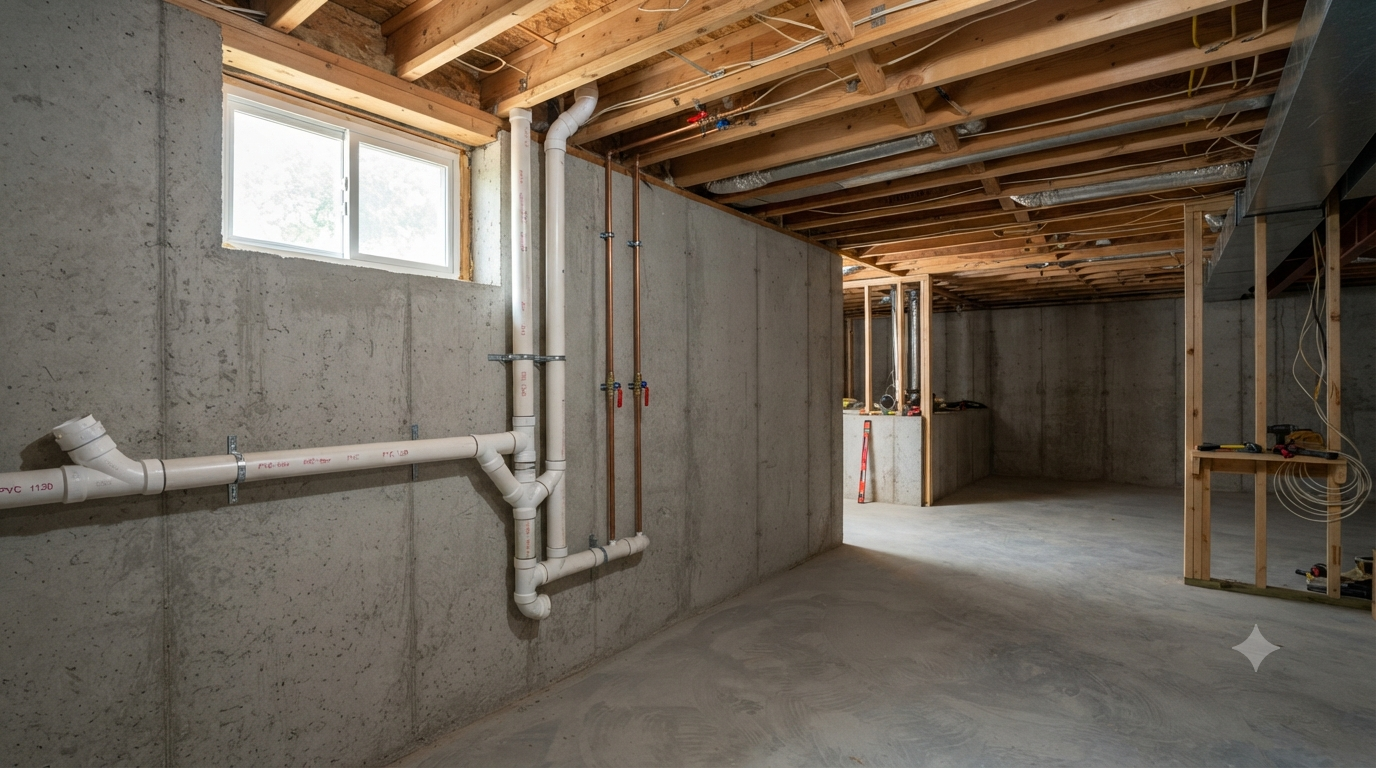
Drain pipes collect wastewater from various plumbing fixtures and carry it toward the main sewer line. They are installed with a slight downward slope so gravity can move water efficiently.
Waste Pipes
Waste pipes transport both liquid and solid waste from toilets and other fixtures. Proper sizing and installation help prevent backups and reduce the risk of blockages.
Vent Pipes
Vent pipes are an essential part of every DWV system. They balance air pressure inside the plumbing network, allowing water to drain freely while preventing traps from being siphoned dry.
Another important plumbing component connected to the drainage system is the P-trap. If you’ve ever wondered what is a p trap in plumbing, it is the curved section of pipe installed beneath sinks and many other fixtures. It holds a small amount of water that creates a seal, preventing sewer gases from entering the home.
How DWV Systems Work
A DWV system relies on gravity and proper ventilation to move wastewater efficiently. As water flows through drain and waste pipes, vent pipes allow air into the system, preventing pressure imbalances that could slow drainage or empty fixture traps.
When every part of the system is functioning correctly, wastewater flows smoothly to the sewer or septic system while sewer gases are safely vented outdoors.
Common Plumbing Terms
Besides DWV, plumbers frequently use several technical terms during installations and repairs.
- FIP refers to Female Iron Pipe threads, which are internally threaded fittings that connect to matching male threaded fittings.
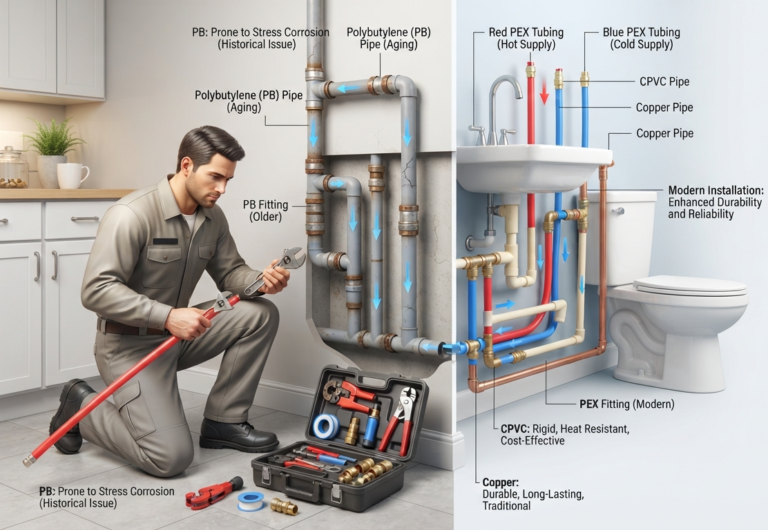
- PEX refers to cross-linked polyethylene tubing, a flexible material widely used for residential water supply lines because it is durable, corrosion-resistant, and easy to install.
- NPT stands for National Pipe Thread, the standard thread type used on many plumbing fittings to create secure, leak-resistant connections.
Understanding these terms makes it easier to communicate with plumbers and choose compatible plumbing components.
Common DWV Problems
Like any plumbing system, DWV systems can develop problems over time. Some of the most common issues include:
- Slow-draining sinks or tubs
- Clogged drain pipes
- Blocked vent stacks
- Pipe leaks
- Sewer odors inside the home
Most of these problems can be prevented with routine maintenance and timely repairs.
Maintenance Tips
To keep your DWV system working efficiently:
- Avoid pouring grease or food waste down drains.
- Use drain strainers to catch hair and debris.
- Inspect exposed pipes regularly for leaks.
- Keep roof vent openings free of leaves and other obstructions.
- Schedule professional plumbing inspections if you notice recurring drainage problems.
Regular maintenance helps extend the life of your plumbing system and reduces the likelihood of costly repairs.
Future Trends in DWV Systems
Modern plumbing technology continues to improve DWV systems through stronger piping materials, quieter drainage designs, and environmentally friendly manufacturing processes. PVC and ABS remain the most common materials for drain and vent piping because they are lightweight, durable, and resistant to corrosion.
As building codes evolve, newer plumbing systems are also being designed to improve water efficiency and reduce long-term maintenance costs.
Frequently Asked Questions
How does a DWV system work?
It uses gravity to move wastewater through drain and waste pipes while vent pipes maintain proper air pressure and safely release sewer gases.
What are the main parts of a DWV system?
The three primary components are drain pipes, waste pipes, and vent pipes.
Why is a DWV system important?
It removes wastewater efficiently, prevents sewer gas from entering the home, and keeps plumbing fixtures draining properly.
What materials are commonly used in DWV systems?
Most residential DWV systems use PVC or ABS piping because they are durable, affordable, and resistant to corrosion.
Can homeowners install a DWV system themselves?
Small repairs may be suitable for experienced DIY homeowners, but complete installations should generally be performed by licensed plumbers to ensure compliance with local building codes.
Conclusion
Understanding what DWV stands for in plumbing is an important step toward learning how residential plumbing systems work. The Drain, Waste, and Vent system safely removes wastewater, maintains proper airflow, and protects homes from sewer gases. Whether you’re maintaining your home’s plumbing or planning a renovation, having a basic understanding of DWV systems and related plumbing terminology can help you make informed decisions and keep your plumbing operating safely and efficiently.