How Do You Remove Corrosion From Plumbing?
Corrosion is a common plumbing problem that can develop slowly and remain unnoticed until pipes, fittings, valves, or connections begin to leak. A small amount of surface discoloration may not seem serious, but ongoing corrosion can weaken metal and eventually lead to expensive repairs.
So, how do you remove corrosion from plumbing? The answer depends on where the corrosion is located, how severe it is, and what material the plumbing is made from. Light surface corrosion can often be cleaned, while deep corrosion may mean that the affected component needs to be replaced.
Knowing the difference can help you avoid damaging your plumbing while dealing with the problem safely and effectively.
What Causes Corrosion in Plumbing?
Corrosion occurs when plumbing materials react with water, oxygen, minerals, chemicals, or other environmental factors. Metal pipes and fittings are particularly vulnerable because corrosion gradually changes the surface of the metal.
Water chemistry can play a major role. Water with certain mineral levels, acidity, or dissolved substances may accelerate corrosion. Temperature, electrical connections between different metals, and the age of the plumbing system can also contribute.
In some homes, corrosion is associated with older metal pipes. Copper, galvanized steel, brass, and other metals can all experience different forms of corrosion under the right conditions.
Understanding the potential causes plumbing leaks can help you determine whether corrosion is an isolated issue or a sign of a larger plumbing problem.
How Can You Tell If Plumbing Is Corroded?
The appearance of corrosion varies depending on the material and environment.
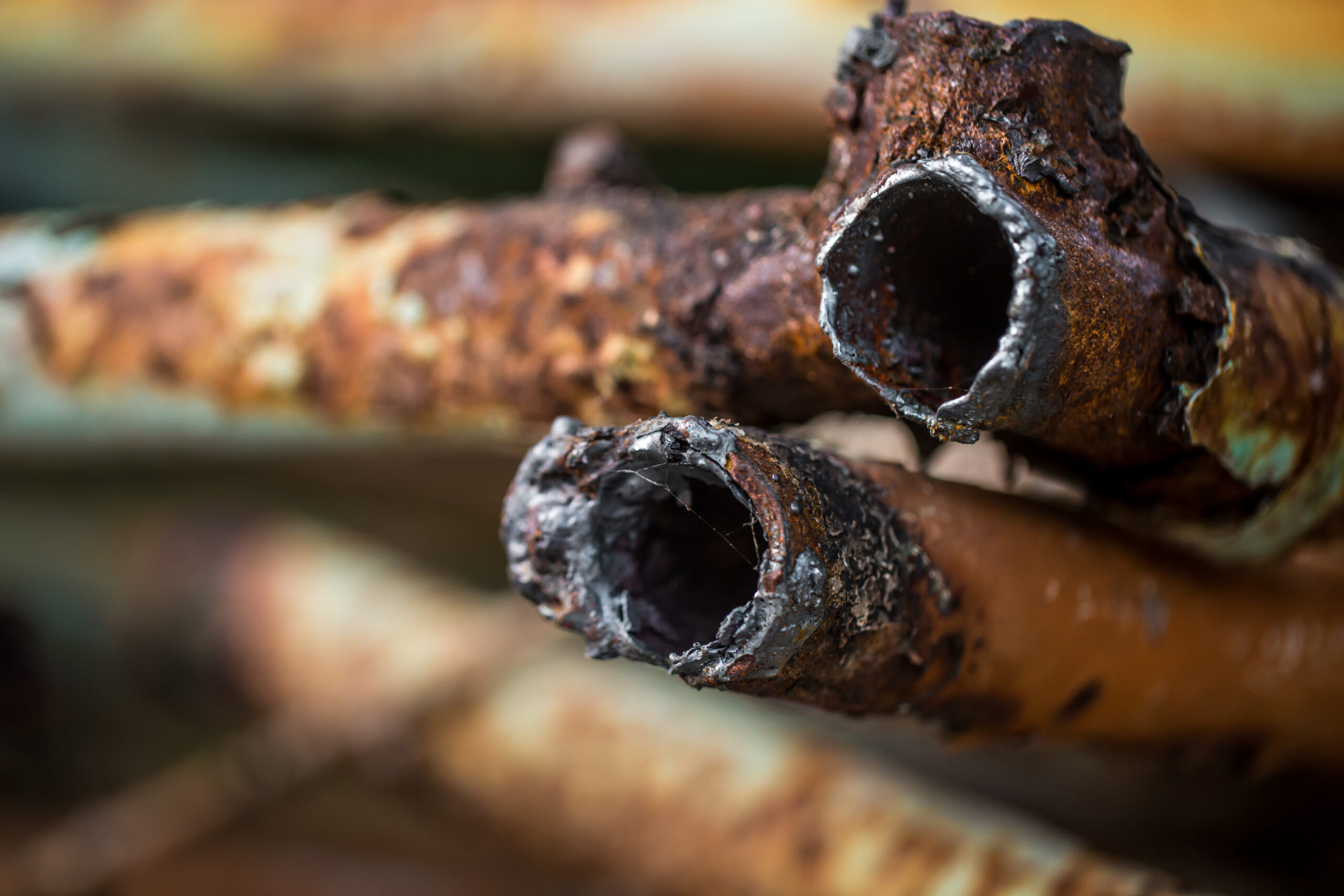
Copper may develop green or blue-green deposits. Galvanized steel can develop reddish-brown rust or rough, flaky surfaces. Brass components may become dull, darkened, or develop deposits around joints.
Other warning signs include:
- Rust-colored water
- Green or white buildup around fittings
- Rough or pitted pipe surfaces
- Damp areas around connections
- Small leaks near valves or joints
- Reduced water flow
- Recurring leaks in older sections of piping
A small amount of surface buildup does not necessarily mean a pipe needs replacement. However, deep pitting, flaking, or active leakage deserves closer attention.
How Do You Remove Light Surface Corrosion?
If corrosion is limited to the outside of a metal fitting and has not damaged the metal significantly, gentle cleaning may be enough.
Step 1: Shut Off the Water
Before working on a corroded plumbing component, turn off the water supply if there is any possibility that the work could disturb a connection.
For a fixture supply line, the local shutoff valve may be used. An angle stop in plumbing is commonly installed beneath sinks and other fixtures to control water flow to individual fixtures.
Once the water is off, open the fixture briefly to release pressure from the line.
Step 2: Clean the Surface
Start with a soft cloth to remove loose dirt and deposits. For light corrosion, a non-aggressive cleaning method may be sufficient.
A soft-bristled brush can help remove buildup from accessible areas. Avoid aggressively scraping a pipe or fitting, particularly if the metal already appears thin or damaged.
The goal is to remove surface deposits without removing healthy metal underneath.
Step 3: Dry the Area Completely
After cleaning, dry the fitting thoroughly. This makes it easier to determine whether the corrosion was simply surface buildup or whether moisture is continuing to appear.
If the area becomes wet again after the water supply is restored, there may be an active leak rather than simple condensation or old residue.
Can You Remove Rust From Metal Pipes?
Light external rust can sometimes be removed from steel or iron plumbing with gentle mechanical cleaning. A soft wire brush or appropriate abrasive material can loosen surface rust.
However, caution is important.
Rust is not always just a cosmetic problem. If a pipe is heavily rusted, the corrosion may have consumed part of the metal wall. Removing the rust could expose an area that is already dangerously thin.
If the pipe flakes when touched, has visible holes, or shows deep pitting, cleaning it is unlikely to provide a lasting solution. Replacement is generally more appropriate than attempting to restore severely damaged pipe.
What About Corrosion on Copper Pipes?
Copper corrosion often appears as greenish or bluish material around joints and fittings. Some discoloration can be cleaned from the outside, but the underlying condition needs to be considered.
If a copper pipe has a pinhole leak, cleaning the surface will not repair the damaged section. The affected portion may need to be cut out and replaced.
Repeated pinhole leaks can also indicate that something within the plumbing environment is contributing to corrosion. Simply repairing one leak without investigating recurring problems may result in another leak later.
How Do You Remove Corrosion From Plumbing Fittings?
Corroded fittings can sometimes be cleaned if the corrosion is superficial. Remove loose deposits carefully and inspect the fitting after cleaning.
Pay particular attention to threads, connection points, and areas surrounding valves. Corrosion around a threaded connection can make disassembly difficult.
Do not use excessive force on an old fitting. Older plumbing components can become brittle or weakened by years of corrosion. Trying to force a stuck connection can turn a minor repair into a larger plumbing failure.
If a fitting is badly corroded, replacing it is often safer than attempting to restore it.
When Should Corroded Plumbing Be Replaced?
Cleaning is appropriate only when the underlying material remains structurally sound.
Replacement may be necessary when you see:
Deep Pitting
Pitting means corrosion has penetrated into the metal rather than remaining on the surface. Deep pits can eventually become leak points.
Active Leaks
If water is escaping from a corroded section, cleaning will not solve the problem. The damaged component needs to be repaired or replaced.
Severe Flaking or Scaling
Heavy flaking can indicate substantial deterioration, particularly on older steel piping.
Repeated Repairs
If the same section continues to corrode and leak, repeatedly cleaning or patching it may only delay a more permanent repair.
Can Vinegar Remove Plumbing Corrosion?
Mild household acids are sometimes used to loosen mineral deposits and surface oxidation, but they should not automatically be applied to every plumbing material.
Different metals and finishes react differently to cleaning chemicals. Some products can damage protective coatings, seals, or nearby materials.
Before using any chemical cleaner, identify the pipe or fitting material and check whether the product is suitable for that application. Never mix cleaning chemicals, and avoid introducing unsuitable substances into drinking-water plumbing.
For a valuable or difficult-to-access plumbing component, mechanical cleaning with a suitable tool may be safer than experimenting with chemicals.
How Can You Prevent Plumbing Corrosion?
Preventing corrosion is usually easier than dealing with widespread pipe damage.
Keep plumbing areas dry and repair small leaks promptly. Regularly inspect visible pipes, valves, and connections for discoloration or moisture.
It is also important to avoid creating unnecessary contact between incompatible metals. In some plumbing systems, connections between different metals can contribute to corrosion if they are not installed correctly.
Maintaining appropriate water pressure and addressing unusual changes in water quality can also help protect plumbing components.
For older homes, periodic inspection is particularly valuable because corrosion can develop inside pipes even when the exterior looks relatively normal.
Should You Remove Corrosion Yourself?
Minor surface corrosion on an easily accessible fitting can often be cleaned carefully by a homeowner. However, plumbing work becomes more complicated when corrosion involves concealed pipes, pressurized connections, gas piping, or significant leaks.
If the metal appears severely damaged, the pipe is leaking, or you cannot determine the source of the problem, professional assessment is the safer choice.
The most important point is not simply to make corroded plumbing look clean. The goal is to determine whether the plumbing remains structurally reliable.
Final Thoughts
Removing corrosion from plumbing starts with identifying the type and severity of the damage. Light surface corrosion can sometimes be cleaned with gentle methods, while deep rust, pitting, flaking, and active leaks usually require replacement or professional repair.
Avoid aggressive cleaning methods that could weaken already damaged metal. Pay attention to recurring corrosion, because it may indicate an underlying issue rather than a simple surface problem.
A clean-looking pipe is not necessarily a healthy pipe. Inspect the material carefully, determine whether the metal has lost its strength, and choose repair or replacement based on the actual condition of the plumbing. Taking action early can prevent a small corrosion problem from becoming a major leak or water-damage emergency.