How to Increase the Water Pressure in My House
Low water pressure can turn simple daily tasks into frustrating experiences. Whether you’re taking a shower, washing dishes, or watering your garden, weak water flow wastes time and reduces comfort. The good news is that low water pressure is often caused by issues that can be identified and, in many cases, fixed without replacing your entire plumbing system.
If you’ve been asking, “How to increase the water pressure in my house,” this guide will help you understand the most common causes, practical solutions, and when it’s time to call a professional.
What Is Considered Low Water Pressure?
Most homes operate best with water pressure between 40 and 60 PSI (pounds per square inch). If the pressure falls below this range, you may notice:
- Weak shower flow
- Faucets taking longer to fill containers
- Washing machines running slowly
- Outdoor hoses lacking enough force
- Multiple fixtures losing pressure when used at the same time
Before trying to fix the problem, it’s important to determine whether the issue affects your entire home or just one faucet or shower.
Check If the Problem Is Limited to One Fixture
If only one sink or shower has weak water flow, the issue is likely isolated rather than affecting your entire plumbing system.
Clean the Faucet Aerator
Mineral deposits often clog faucet aerators, especially in areas with hard water.
To clean it:
- Unscrew the aerator.
- Soak it in vinegar for several hours.
- Scrub away debris.
- Reinstall and test the water flow.
This simple step often restores normal pressure.
Inspect the Plumbing Fixture
A worn-out or damaged plumbing fixture can also reduce water flow. Over time, valves, cartridges, and internal components wear out or become clogged with sediment.
Replacing an aging fixture may improve pressure while also reducing future maintenance problems.
Check Your Main Water Valve
One of the easiest fixes is making sure the home’s main shutoff valve is fully open.
Sometimes the valve is partially closed after:
- Plumbing repairs
- Water meter maintenance
- Emergency shutoffs
- Home renovations
Locate the main valve where the water line enters your house and ensure it is completely open.
Inspect the Pressure Reducing Valve
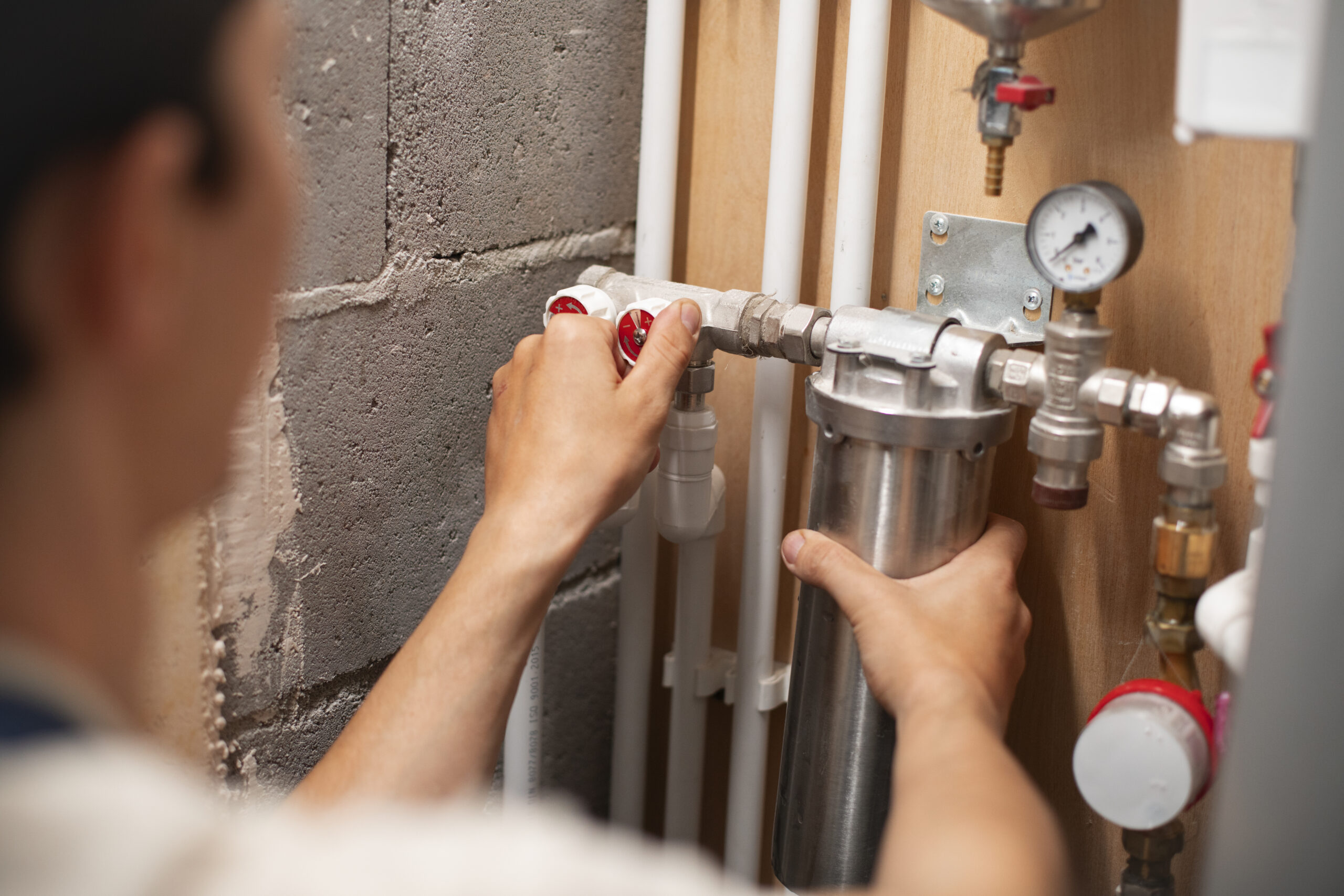
Many homes have a pressure reducing valve (PRV), which controls incoming water pressure from the municipal supply.
If this valve begins to fail, you may notice:
- Pressure gradually getting weaker
- Water pressure changing throughout the day
- Inconsistent flow between fixtures
A faulty PRV usually needs adjustment or replacement by a qualified plumber.
Look for Hidden Plumbing Leaks
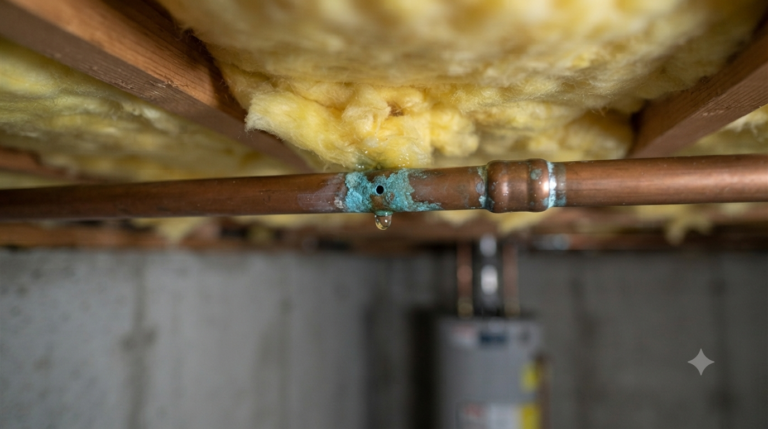
Leaks don’t always create visible puddles. Small leaks inside walls, under floors, or underground can significantly reduce water pressure.
Some warning signs include:
- Higher-than-normal water bills
- Damp walls or ceilings
- Mold or mildew growth
- Sounds of running water when fixtures are off
- Soft spots in flooring
Many homeowners don’t realize that hidden leaks are among the leading causes plumbing leaks that gradually affect water pressure throughout the home. Finding and repairing these issues early helps prevent expensive structural damage.
Check for Clogged Pipes
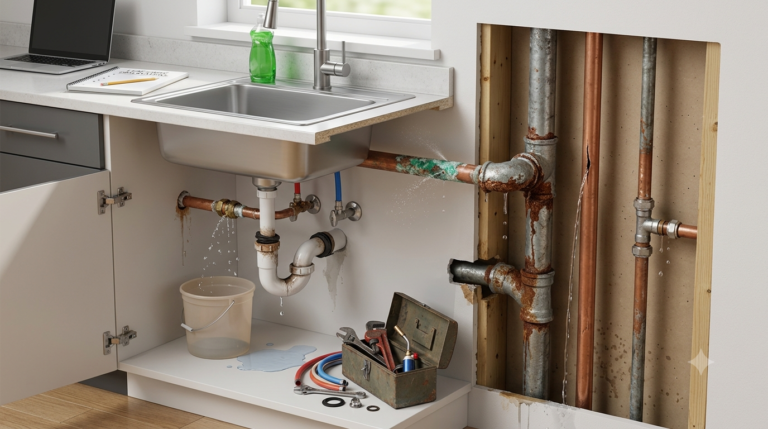
Older homes often have galvanized steel pipes that corrode internally over time.
As rust and mineral buildup accumulate inside the pipes, the water passage becomes smaller, reducing pressure.
Common signs include:
- Brown or rusty water
- Pressure getting worse each year
- Reduced flow throughout the house
- Older plumbing system over 30 years old
If corrosion is severe, replacing sections of piping may be the best long-term solution.
Test Your Home’s Water Pressure
A water pressure gauge is an inexpensive tool that provides accurate readings.
To test pressure:
- Attach the gauge to an outdoor hose bib.
- Turn the water fully on.
- Read the PSI.
General guidelines:
- Below 40 PSI: Low pressure
- 40–60 PSI: Ideal range
- Above 80 PSI: Too high and may damage plumbing
Testing gives you a better understanding of whether the issue is inside your home or related to the municipal water supply.
Ask Your Water Provider About Supply Issues
Sometimes the problem isn’t inside your house.
Temporary low pressure may occur because of:
- Water main repairs
- High neighborhood demand
- Municipal maintenance
- Nearby construction
- Seasonal usage increases
If your neighbors are experiencing similar problems, your local water provider may already be working on the issue.
Upgrade Old Plumbing
Older plumbing systems may simply be unable to deliver modern water demands.
Replacing outdated pipes with newer materials can provide:
- Better water flow
- Improved reliability
- Cleaner water
- Reduced maintenance
- Higher home value
While this is a larger investment, it often solves recurring pressure problems permanently.
Install a Water Pressure Booster Pump
If your municipal water supply naturally delivers low pressure, a booster pump can help.
These systems increase water pressure throughout the home and are commonly installed in areas where:
- Homes sit at higher elevations
- Municipal pressure is consistently low
- Large homes require stronger water flow
- Multiple bathrooms are used simultaneously
A licensed plumber can determine whether a booster pump is appropriate for your home’s plumbing system.
Reduce Water Usage During Peak Times
Sometimes pressure drops simply because too many fixtures are running at once.
Try to avoid using multiple water-intensive appliances together, such as:
- Washing machine
- Dishwasher
- Shower
- Outdoor sprinklers
Spreading water usage throughout the day can noticeably improve pressure in many households.
Don’t Ignore Regular Plumbing Maintenance
Preventive maintenance helps identify small issues before they become major repairs.
Routine inspections can uncover:
- Hidden leaks
- Failing valves
- Pipe corrosion
- Sediment buildup
- Pressure regulator problems
Many homeowners also wonder how much is a plumbing inspection in Edmond before scheduling one. The cost often depends on the home’s size, the inspection method, and whether advanced leak detection equipment is required. Regular inspections are generally much more affordable than repairing extensive water damage caused by neglected plumbing issues.
When Should You Call a Professional?
While homeowners can handle simple tasks like cleaning aerators or checking valves, professional help is recommended if:
- Pressure is low throughout the entire home.
- Water bills suddenly increase.
- You suspect hidden leaks.
- Pipes are heavily corroded.
- The pressure regulator needs replacement.
- Water pressure changes dramatically without explanation.
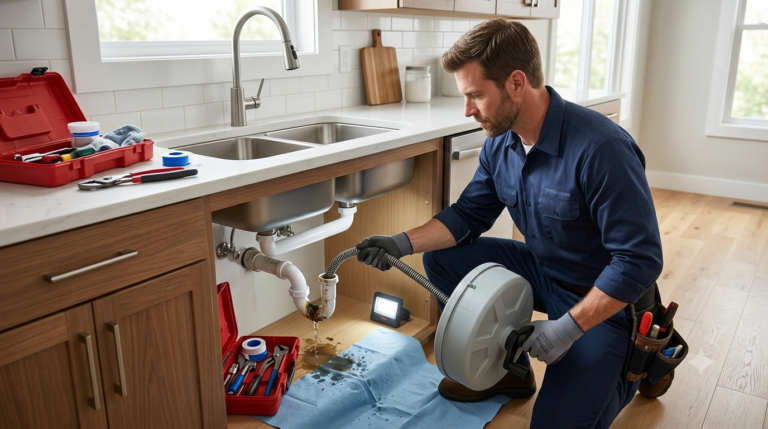
A licensed plumber has specialized equipment to diagnose pressure problems accurately and recommend the most effective solution.
Tips to Maintain Healthy Water Pressure
Keeping your plumbing system in good condition helps maintain consistent water pressure for years.
Here are a few simple habits:
- Clean faucet aerators regularly.
- Replace worn plumbing fixtures when needed.
- Repair leaks promptly.
- Monitor your water pressure annually.
- Schedule periodic plumbing inspections.
- Flush your water heater as recommended to remove sediment buildup.
- Replace aging pipes before major failures occur.
These preventive steps can extend the life of your plumbing system while helping maintain reliable water flow.
Final Thoughts
Low water pressure is a common household problem, but it doesn’t always require a major repair. In many cases, the solution is as simple as cleaning a clogged aerator, opening a partially closed valve, or replacing a worn fixture. More serious issues, such as hidden leaks, corroded pipes, or a failing pressure regulator, require professional attention but can usually be resolved before causing extensive damage.
Understanding how your plumbing system works and addressing problems early can restore strong, consistent water pressure throughout your home. Whether the issue is isolated to one fixture or affects your entire house, taking the right steps now will improve comfort, protect your plumbing system, and help you avoid costly repairs in the future.