What is Plumbing Stoppage: Causes, Solutions, and Prevention
Plumbing stoppages are a common yet often misunderstood issue that can disrupt the daily routine of any household or business. Typically, when people talk about plumbing stoppages, they refer to any obstruction that impedes the normal flow of water through pipes. Recognizing the signs early and knowing how to address them can save you from costly repairs and inconvenience. This comprehensive guide will explore the causes, symptoms, and solutions for plumbing stoppages, providing you with the knowledge to tackle these issues effectively.
Understanding Plumbing Stoppages
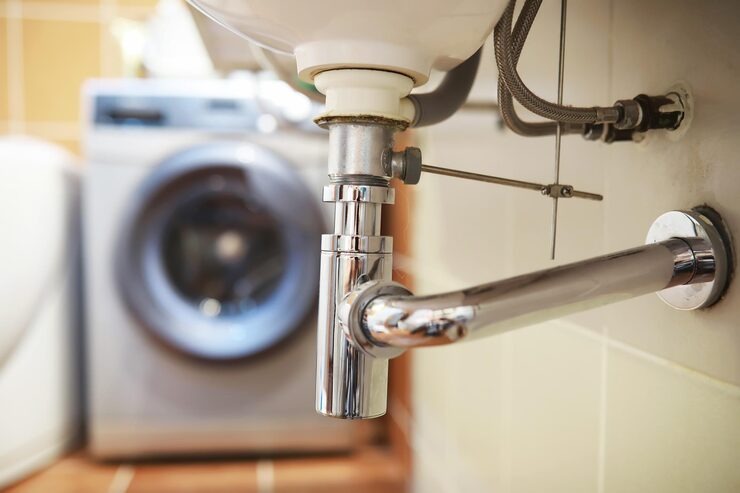
A plumbing stoppage occurs when something blocks the drainage system, preventing water from flowing freely. This can happen in various parts of the plumbing system, such as drains, toilets, or main sewer lines. Stoppages can lead to slow drainage, unpleasant odors, and even water damage. Identifying and addressing these blockages promptly is crucial to maintaining a healthy plumbing system.
Common Causes of Plumbing Stoppages
Grease and Food Particles
One of the most frequent causes of plumbing stoppages in kitchens is the accumulation of grease and food particles. As grease cools, it solidifies and adheres to pipe walls, gradually causing a blockage.
Hair and Soap Scum
In bathrooms, hair combined with soap scum can form tough clogs that restrict water flow. These blockages often occur in shower drains and sink traps.
Foreign Objects
Items such as toys, sanitary products, and excessive toilet paper can cause significant stoppages. These foreign objects often get flushed down toilets or washed into drains, leading to blockages.
Signs You Have a Plumbing Stoppage
Detecting a plumbing stoppage early can prevent more serious issues. Look out for signs such as:
- Slow or sluggish drainage in sinks, showers, or tubs
- Unusual gurgling sounds coming from the pipes
- Water backing up in unusual places, such as the bathtub when the toilet is flushed
- Persisting foul odors near drains
How to Fix a Plumbing Stoppage
DIY Solutions
For minor stoppages, homeowners can often resolve the issue themselves. Here are some effective DIY methods:
- Plunging: A plunger can be effective for clearing blockages in toilets and sinks.
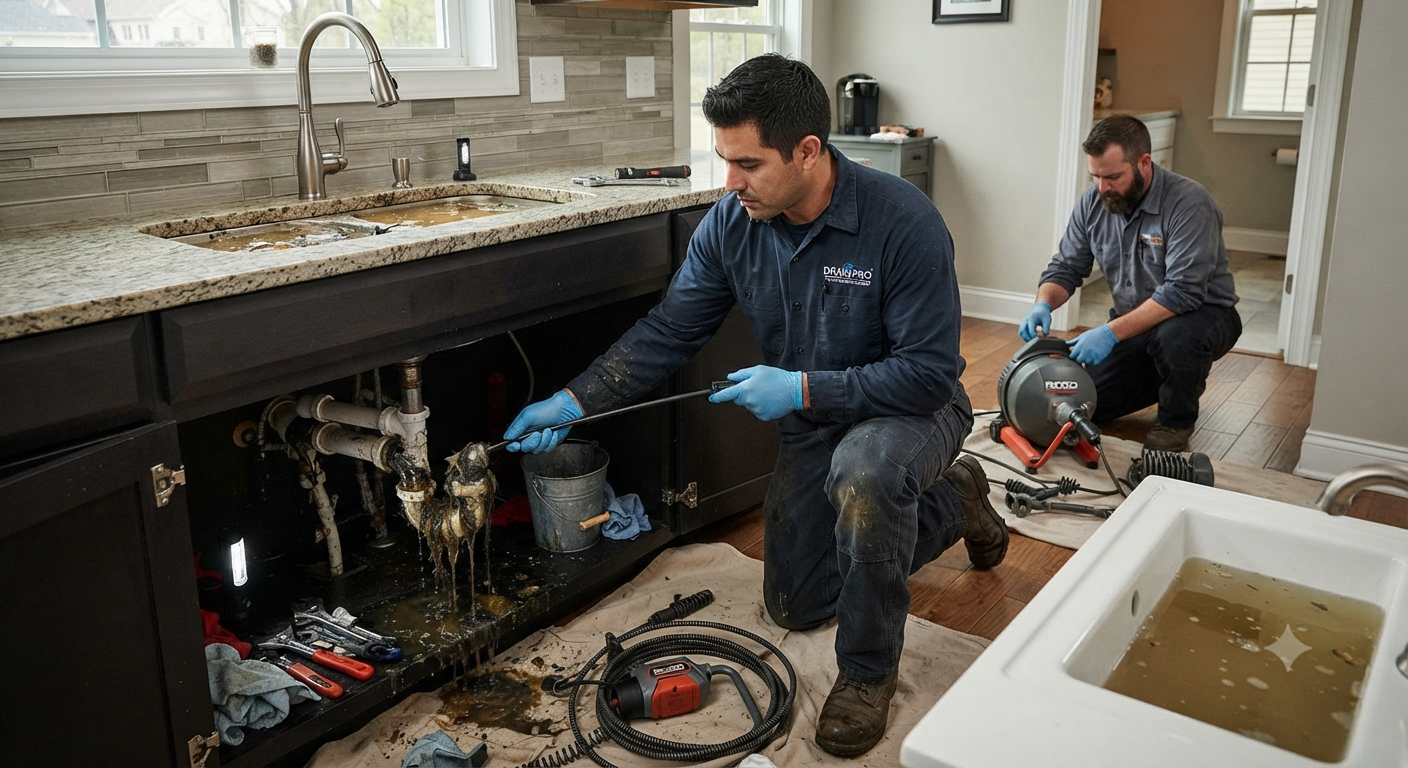
- Drain Snakes: These tools can reach deep into pipes to remove stubborn clogs.
- Baking Soda and Vinegar: This natural remedy can break down minor clogs when poured down the drain followed by hot water.
Professional Services
For severe or persistent stoppages, it’s advisable to call a professional plumber. They can employ advanced techniques such as hydro jetting or use video inspection technology to locate and clear blockages.
Preventing Future Stoppages
Preventative maintenance is key to avoiding plumbing stoppages. Consider the following tips:
- Regular Cleaning: Clean drains monthly using natural cleaners to prevent buildup.
- Install Drain Screens: These prevent hair and large particles from entering drains.
- Avoid Flushing Non-Flushables: Only flush toilet paper and human waste.
Cost Comparison: DIY vs. Professional Fixes
When deciding between a DIY approach and hiring a professional, consider both the immediate costs and potential long-term savings. DIY solutions often involve minimal expenses, such as purchasing a plunger or drain snake. However, a professional service might be more cost-effective in the long run if it prevents future damage or recurring issues.
Eco-Friendly Solutions
As environmental concerns grow, many are turning to eco-friendly drain cleaning methods. Avoid chemical drain cleaners, opting instead for natural solutions like baking soda and vinegar or enzyme-based cleaners that are safe for the environment and your pipes.
FAQs About Plumbing Stoppages
- What are the first signs of a plumbing stoppage? Slow drainage and gurgling sounds are common early indicators.
- How can I prevent plumbing stoppages? Regular maintenance and avoiding flushing non-degradable items can help.
- When should I call a plumber for a stoppage? If DIY methods fail or if the problem recurs, professional help is recommended.
- What impact do plumbing stoppages have on water bills? Water wastage due to leaks or overflows can lead to higher bills.
- Can tree roots cause plumbing stoppages? Yes, roots can invade sewer lines, causing significant blockages.
By understanding the causes and solutions for plumbing stoppages, you can take proactive steps to maintain your plumbing system. Whether opting for DIY fixes or calling in professionals, addressing issues early can save you time and money. For more detailed guides and expert advice, explore our additional resources and stay ahead of plumbing problems.