How to Organize Plumbing: A Step-by-Step Guide
Effective plumbing organization can make the difference between a smoothly running household and a plumbing nightmare. Whether you’re a homeowner, a DIY enthusiast, or a professional plumber, understanding how to organize plumbing systems is crucial. This guide will walk you through the essential steps to efficiently arrange plumbing, ensuring accessibility, efficiency, and sustainability.
Introduction to Plumbing Organization
Plumbing organization isn’t just about arranging pipes; it involves a comprehensive strategy that encompasses design, tool management, and future maintenance. In a world where efficiency is key, having a well-organized plumbing system can significantly reduce water waste, save on repair costs, and improve overall functionality. Let’s explore how to achieve an efficient plumbing setup.
Essential Tools and Materials for Organization
Before diving into the organization process, it’s important to gather the necessary tools and materials. These may include:
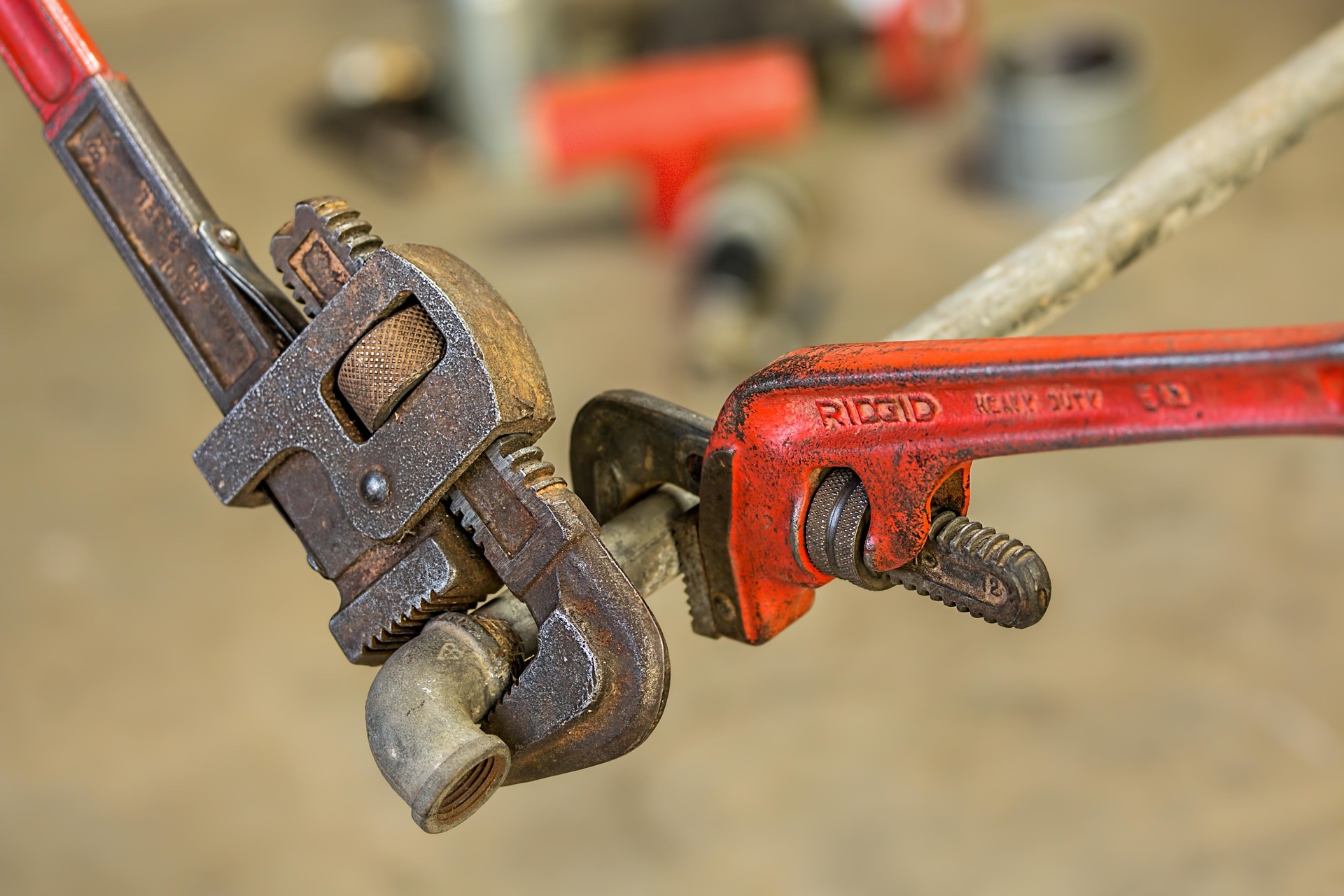
- Pipe cutters and wrenches
- Plumbing snake and plunger
- Pipe fittings and connectors
- Sealants and tapes
- Organizational tools like toolboxes or wall-mounted racks
Having these tools on hand can streamline the organization process, making it easy to tackle any unforeseen issues.
Assessing Your Current Plumbing System
Evaluating Pipe Layout and Flow
Begin by examining the existing pipe layout. Check for any signs of wear or leaks, and ensure that water flows efficiently through the system. This evaluation can help identify areas that need reorganization or repair.
Identifying Problem Areas
Common problem areas include cluttered tool storage and inaccessible pipe locations. These issues can lead to inefficiencies and make maintenance more challenging. Identifying these areas early on can guide your organizational efforts.
Planning Your Plumbing Layout
Designing for Efficiency and Accessibility
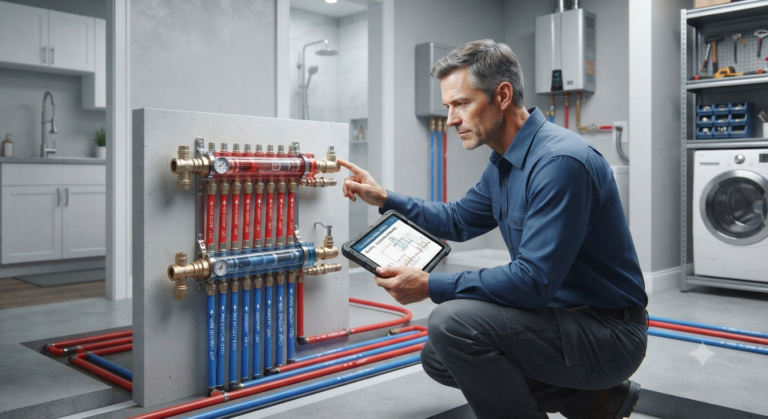
An efficient plumbing layout prioritizes accessibility and minimizes pipe length to reduce pressure loss. Consider using compact plumbing solutions, especially in smaller spaces, to maximize functionality without compromising on design.
Budgeting and Cost Considerations
Organizing plumbing doesn’t have to break the bank. Cost-effective solutions include repurposing existing materials and investing in multi-functional tools. Planning your budget ahead of time can prevent overspending and ensure a successful project.
Read Also: when was indoor plumbing invented
Step-by-Step Organization Process
Implementing Organizational Tools
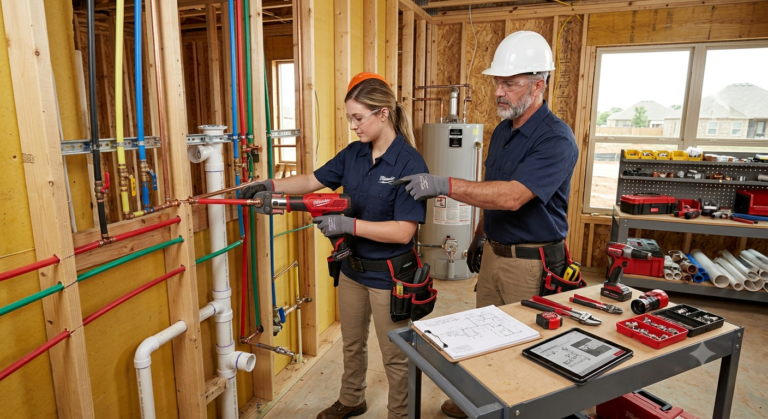
Use tool storage solutions like pegboards or toolboxes to keep equipment organized and easily accessible. Label pipes and fittings for quick identification, which can save time during repairs or upgrades.
Ensuring Proper Water Flow and Pressure
Regularly check water pressure levels and ensure that pipes are properly aligned to avoid blockages. Efficient pipe arrangement can prevent costly water damage and extend the lifespan of your plumbing system.
Tips for Maintaining Organized Plumbing
Once your plumbing is organized, maintenance becomes critical. Regular inspections and prompt repairs can prevent minor issues from escalating. Implement a maintenance schedule to keep your system running smoothly.
Common Mistakes to Avoid in Plumbing Organization
Avoid common pitfalls such as overloading storage spaces, neglecting regular maintenance, or using subpar materials. These mistakes can compromise your plumbing system’s efficiency and longevity.
Troubleshooting Common Plumbing Issues
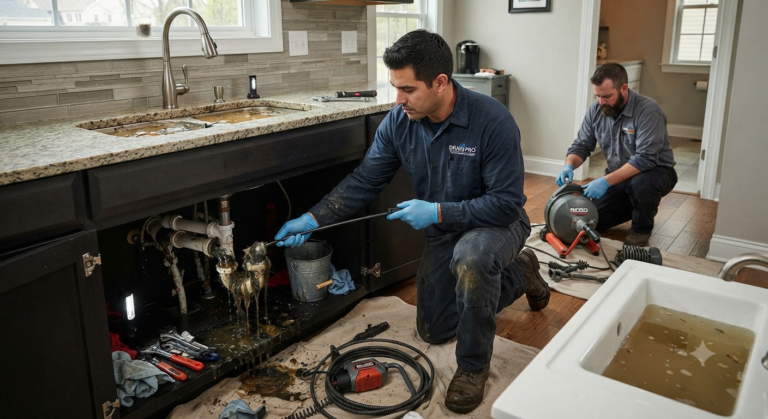
Even with the best organizational practices, issues can arise. Common problems include leaks, clogs, and low water pressure. Having a troubleshooting guide handy can help quickly resolve these issues and maintain system integrity.
FAQs About Plumbing Organization
- What are the best tools for organizing plumbing? Essential tools include pipe cutters, wrenches, and storage solutions like toolboxes or pegboards.
- How do I start organizing my plumbing system? Begin by assessing your current setup, identifying problem areas, and gathering necessary tools.
- What are common plumbing organization mistakes? Common mistakes include neglecting maintenance and using improper materials or tools.
- How can I maintain an organized plumbing system? Implement a regular maintenance schedule and ensure all tools and pipes are properly labeled and stored.
Organizing your plumbing system is a worthwhile endeavor that can enhance efficiency and reduce future repair costs. By following the steps outlined in this guide, you’ll ensure a well-functioning and accessible plumbing setup. Whether you’re tackling this project on your own or with a professional, remember that preparation and regular maintenance are key to long-term success. Start organizing today, and enjoy the benefits of a streamlined plumbing system