How to Maintain Home Plumbing Systems: A Comprehensive Guide
Maintaining your home’s plumbing system is crucial to avoid costly repairs and prevent water damage. Whether you’re a seasoned DIY enthusiast or a beginner, understanding the essentials of plumbing maintenance can save you time, money, and stress. This guide provides actionable tips and insights to keep your plumbing in top condition, ensuring a flow of worry-free water supply throughout your home.
Understanding Home Plumbing Systems
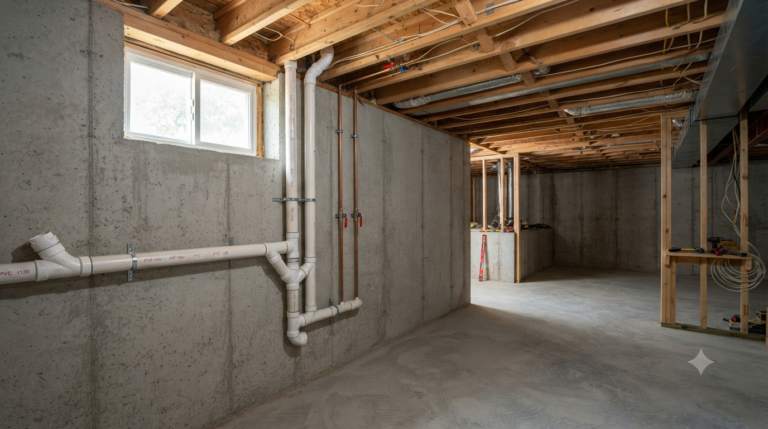
Before diving into maintenance tips, it’s essential to understand the basic components and functions of your home plumbing system. Essentially, your plumbing system consists of pipes, faucets, drains, and water heaters. These elements work together to provide clean water for use and remove wastewater efficiently.
Modern plumbing has come a long way from its early beginnings. Learning when was indoor plumbing invented helps homeowners appreciate how today’s systems have evolved to become safer, more reliable, and easier to maintain than ever before.
Common Plumbing Problems and Solutions
Leaky Faucets
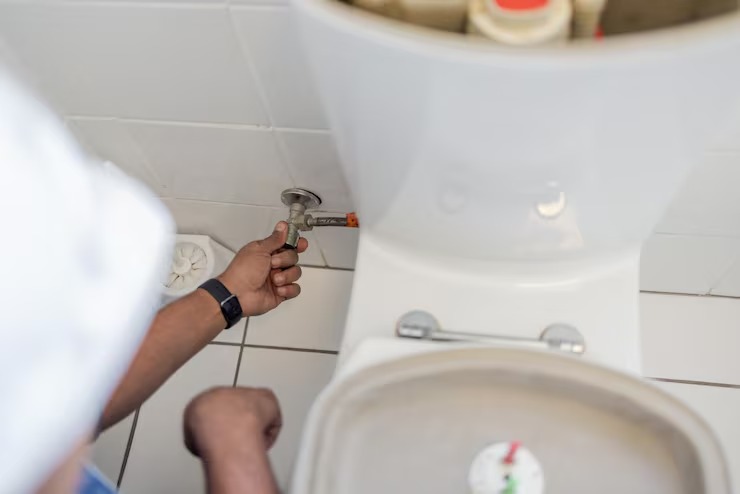
Leaky faucets are a common issue that can lead to significant water wastage. To fix a leaky faucet, first, turn off the water supply. Then, disassemble the faucet to replace worn-out washers or seals, which are often the culprits behind leaks.
Clogged Drains
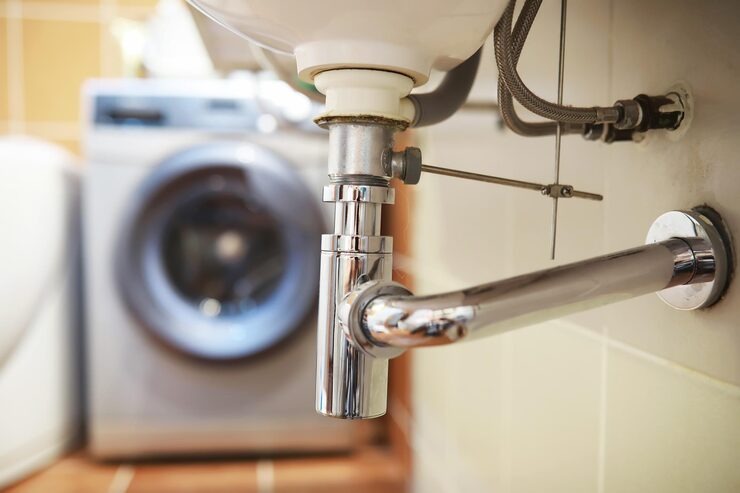
Clogged drains can disrupt daily activities and cause unpleasant odors. Regularly clean your drains using a mixture of baking soda and vinegar to break down blockages. For stubborn clogs, a plumbing snake can be an effective tool.
Water Heater Maintenance
Your water heater requires regular maintenance to function efficiently. Once a year, flush the water heater tank to remove sediment buildup, which can affect heating efficiency. Additionally, check the pressure relief valve for proper operation.
Essential Plumbing Tools
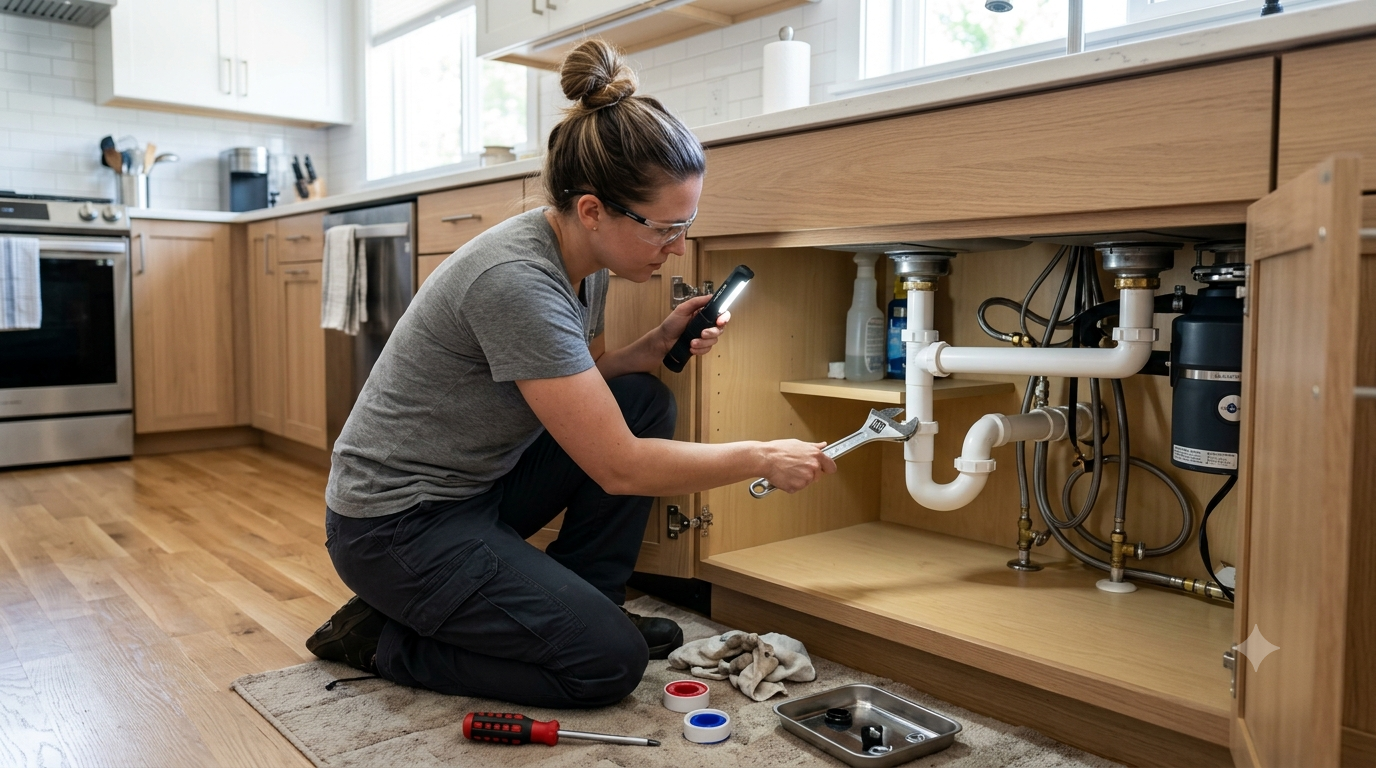
A well-equipped toolkit is vital for any homeowner looking to perform DIY plumbing maintenance. Here are some must-have tools:
- Adjustable Wrench: Essential for tightening and loosening nuts and bolts.
- Plunger: Your first line of defense against clogs.
- Pipe Wrench: Ideal for gripping and turning pipes.
- Tape Measure: Necessary for accurate pipe cutting and fitting.
Step-by-Step Guide to Plumbing Maintenance
Inspecting Pipes
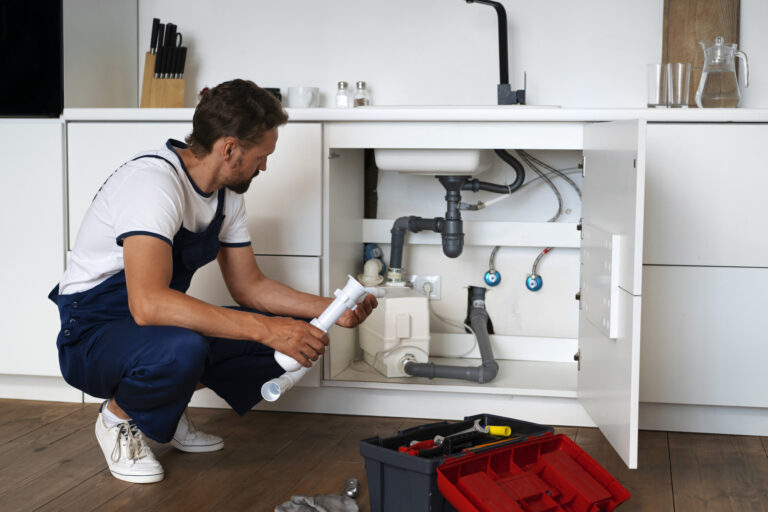
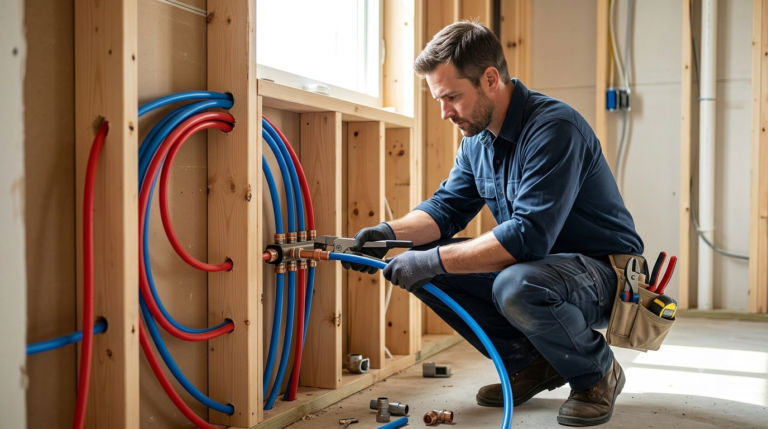
Regularly inspect your pipes for signs of corrosion, leaks, or damage. Pay special attention to joints and connections, as these are common weak points.
Cleaning Drains
To maintain optimal water flow, clean your drains every few months. Use a natural solution of baking soda and vinegar, followed by boiling water, to clear minor blockages and deodorize the pipes.
Checking Water Pressure
Water pressure that’s too high or too low can indicate underlying plumbing issues. Use a pressure gauge to measure the pressure. Ideally, it should range between 40 to 60 psi. If it’s outside this range, consider installing a pressure regulator or consulting a professional.
DIY vs. Professional Help
While many plumbing tasks can be handled independently, there are situations where professional intervention is necessary. For instance, extensive leaks, sewer line issues, or water heater repairs often require a professional’s expertise. Weighing the pros and cons of each approach can help you make informed decisions.
In addition to arranging repairs, homeowners should also understand whether homeowners insurance cover plumbing issues in their specific policy. Insurance may help pay for sudden and accidental water damage, but it typically does not cover problems caused by poor maintenance or normal wear and tear.
Preventive Measures for Plumbing Maintenance
Proactive measures can significantly reduce the likelihood of plumbing emergencies. Consider these tips:
- Seasonal Tips: In winter, insulate pipes to prevent freezing. During summer, check for leaks due to expansion and contraction.
- Eco-friendly Practices: Install low-flow fixtures to conserve water and reduce strain on your plumbing system.
Key Takeaways
Regular maintenance of your home plumbing system is essential for preventing costly repairs and ensuring efficient operation. By understanding your system, using the right tools, and performing routine checks, you can avoid common issues such as leaks and clogs. Embrace preventive measures and know when to seek professional help to keep your plumbing system in optimal condition.
FAQs
- What are the signs of plumbing issues?
Common signs include slow drainage, water stains on walls or ceilings, unusual noises from pipes, and sudden changes in water pressure. - How often should I perform plumbing maintenance?
It’s advisable to conduct a thorough plumbing inspection at least twice a year, with additional checks as needed based on issues or seasonal changes. - What are the best tools for DIY plumbing maintenance?
Essential tools include an adjustable wrench, plunger, pipe wrench, and tape measure. A plumbing snake can also be helpful for clearing clogs. - How can I prevent plumbing problems?
Regular inspections, drain cleaning, and monitoring water pressure are key preventive measures. Installing water-efficient fixtures can also help. - When should I call a professional plumber?
Call a professional for major issues like sewer line problems, extensive leaks, or when you lack the necessary skills and tools for a repair.
By implementing these maintenance strategies and understanding when professional help is needed, you can ensure the longevity and efficiency of your home plumbing system. Start your plumbing maintenance routine today to enjoy peace of mind and a smoothly running household.