What Causes Plumbing Leaks?
Plumbing leaks are a common issue that can lead to significant water damage and costly repairs if not addressed promptly. Whether you’re a homeowner, renter, or landlord, understanding the causes of plumbing leaks can help you take preventive measures and maintain the integrity of your plumbing system. This article delves into the various reasons behind these leaks, how to detect them, and effective strategies for prevention.
Common Causes of Plumbing Leaks
Pipe Corrosion
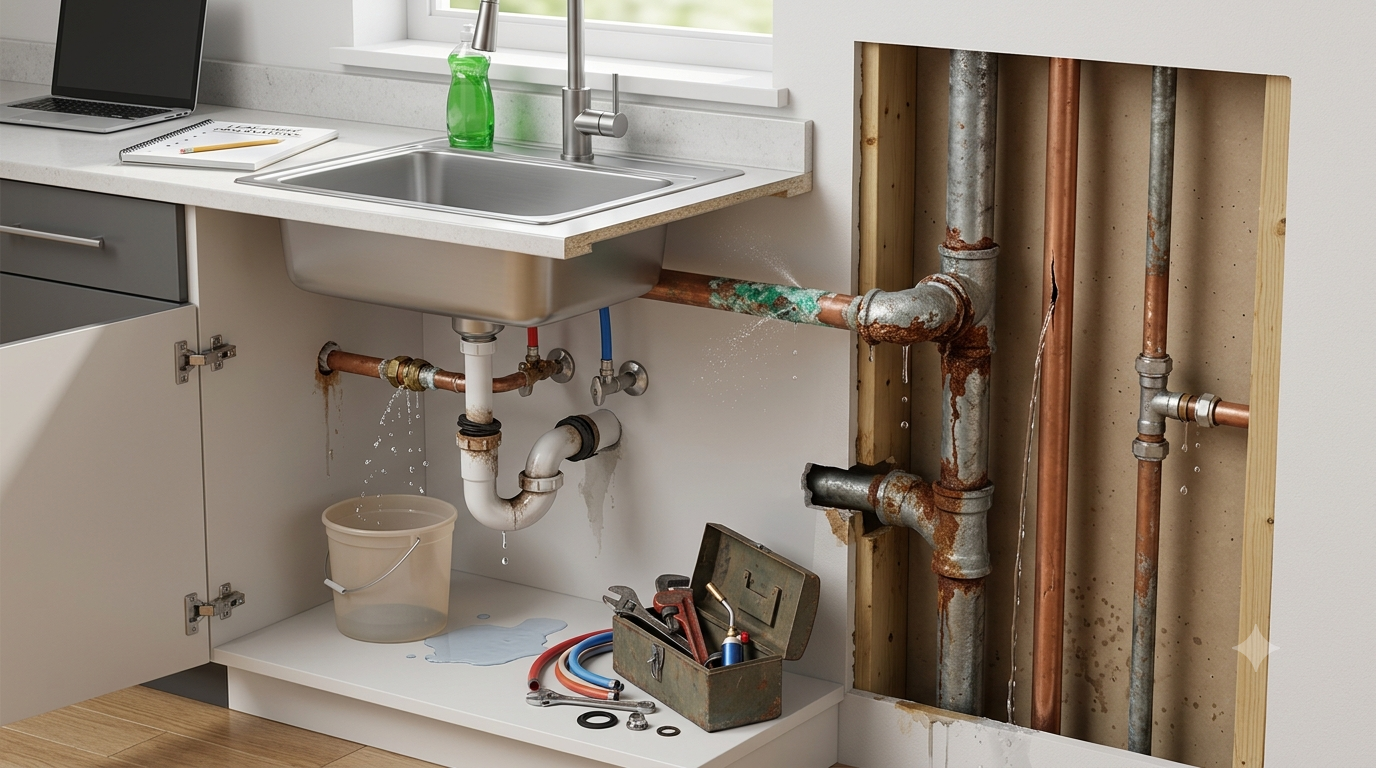
Over time, pipes can corrode due to chemical reactions between the metal and water. This is especially prevalent in older homes with outdated piping materials. Corrosion weakens pipes, making them susceptible to leaks. Regular inspections can help identify corrosion early, allowing for timely repairs or replacements.
High Water Pressure
High water pressure might seem beneficial for efficient water flow, but it can strain pipes and joints, leading to leaks. Installing a water pressure regulator can help maintain optimal pressure levels, reducing the risk of leaks and extending the lifespan of your plumbing system.
Tree Root Intrusion
In areas with older sewer systems, tree roots can infiltrate pipes in search of water, causing significant blockages and leaks. Regular maintenance and root barriers can prevent roots from reaching and damaging your pipes.
Poor Pipe Installation
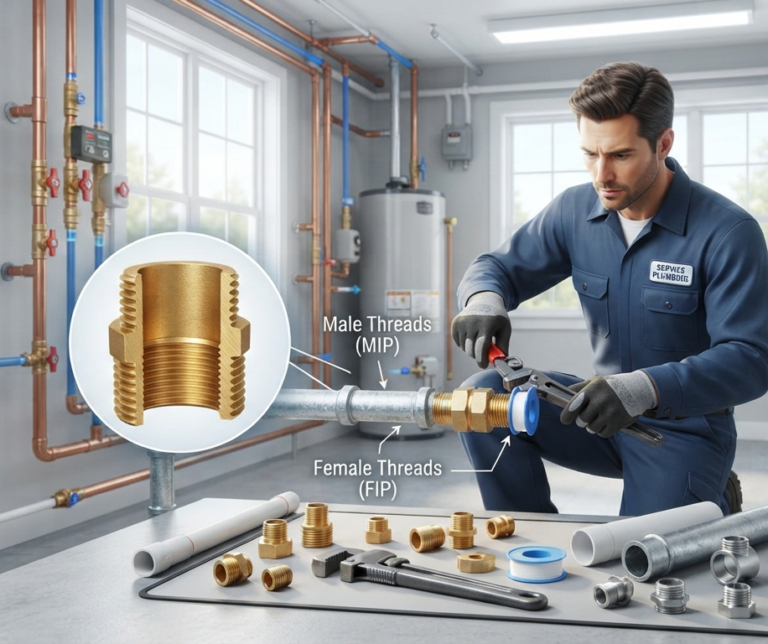
Improper pipe installation, often seen in DIY projects, can lead to misalignments and loose joints, which are prone to leaking. Ensuring that installations are done by professional plumbers can prevent these issues from arising.
Signs of Plumbing Leaks
Visual Indicators
Common signs of plumbing leaks include water stains on walls and ceilings, damp spots on floors, or visible mold growth. These are clear indicators that water is escaping from the pipes and needs immediate attention.
Unusual Water Bills
If you notice an unexpected increase in your water bills, it could be a sign of a hidden leak. Comparing your bills month-to-month can help you identify sudden spikes that warrant further investigation.
Strange Noises
Hearing hissing or dripping sounds, even when no water is running, can indicate leaks within your plumbing system. These noises often point to a pressure issue or pipe fault that needs professional evaluation.
Prevention and Maintenance Tips
Regular Inspections
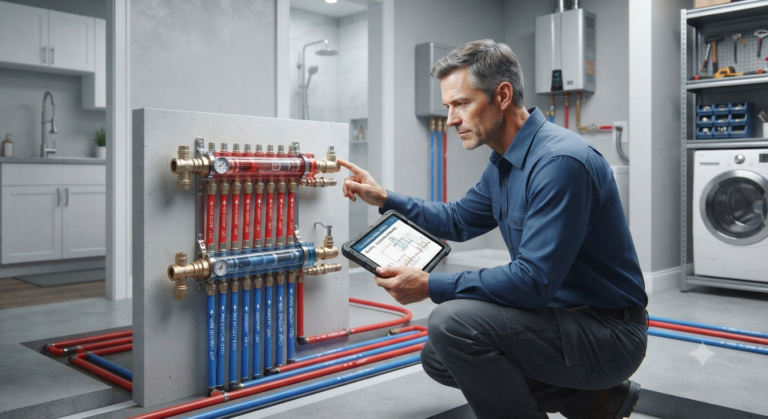
Conducting regular plumbing inspections can help identify potential problems before they escalate. Engage a professional plumber to assess your system annually, especially if your home is older or has experienced plumbing issues in the past.
Seasonal Preparations
Seasonal temperature changes can cause pipes to expand and contract, possibly leading to leaks. Insulating pipes, particularly in unheated areas, can prevent freezing and subsequent pipe bursts during cold weather.
DIY Maintenance Tips
Simple DIY tasks like cleaning faucets, checking for leaks under sinks, and ensuring proper drainage can go a long way in maintaining your plumbing system. However, for more complex tasks, consulting a professional is advisable.
Advanced Leak Detection Technologies
Modern technology offers advanced solutions such as moisture sensors and smart water leak detectors that alert homeowners to leaks before they cause significant damage. Investing in these technologies can provide peace of mind and safeguard your property.
Environmental Impact of Untreated Leaks
Leaving leaks untreated not only causes structural damage but also contributes to water wastage, an important environmental concern. Fixing leaks promptly helps conserve water and reduces your environmental footprint.
When to Call a Professional
Emergency Situations
If a leak is severe or causing immediate damage, contact a professional plumber immediately. They have the expertise to address the issue quickly and effectively, preventing further damage.
Long-term Solutions
For ongoing maintenance or when installing new plumbing systems, a professional can provide long-term solutions tailored to your specific needs, ensuring efficiency and durability.
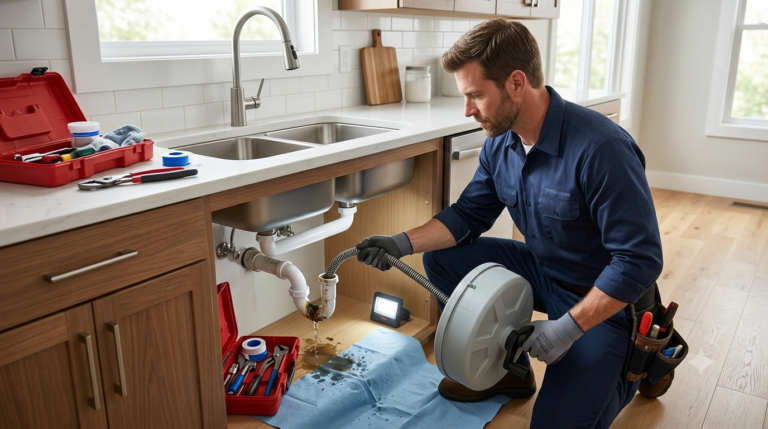
Read Also: how to use a plumbing snake
Frequently Asked Questions
- What are the most common causes of plumbing leaks? Common causes include pipe corrosion, high water pressure, tree root intrusion, and poor pipe installation.
- How can I prevent plumbing leaks in my home? Regular inspections, seasonal preparations, and maintaining appropriate water pressure can help prevent leaks.
- When should I call a plumber for a leak? Call a plumber for emergency situations, severe leaks, or if you’re unsure about handling the problem yourself.
- What are the signs of a hidden plumbing leak? Signs include unexpected water bill increases, strange noises, and visible water damage or mold.
- How can advanced technology help detect leaks? Devices like moisture sensors and smart water leak detectors can alert you to leaks early, preventing major damage.
Plumbing leaks can cause significant disruptions if not managed properly. By understanding their causes and implementing preventive measures, you can protect your home and reduce repair costs. For more detailed guidance or to address specific concerns, contact a professional plumber today.