What is FIP in Plumbing: A Comprehensive Guide
In the world of plumbing, the terminology can often be a maze of acronyms and specifications. One such term that frequently appears is FIP, or Female Iron Pipe. Understanding what FIP means and its application is crucial for both professionals and DIY enthusiasts alike. Whether you’re installing a new plumbing system or troubleshooting existing connections, grasping the nuances of FIP can make a world of difference.
Introduction to FIP
Definition and Basics of FIP
FIP stands for Female Iron Pipe, a type of threaded fitting used in plumbing to connect pipes. These fittings are characterized by internal threads that allow them to fasten securely onto male-threaded pipes, known as Male Iron Pipe (MIP). This makes FIP fittings essential for creating robust and leak-proof connections in a variety of plumbing systems.
How FIP is Used in Plumbing Systems
Common Applications
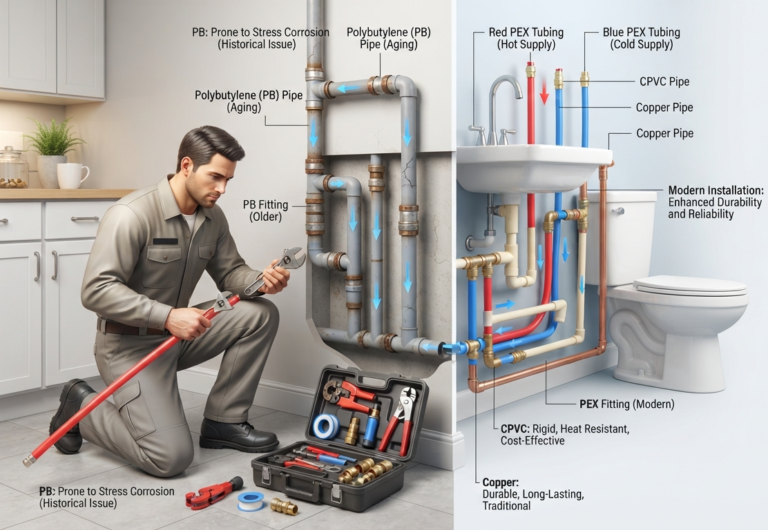
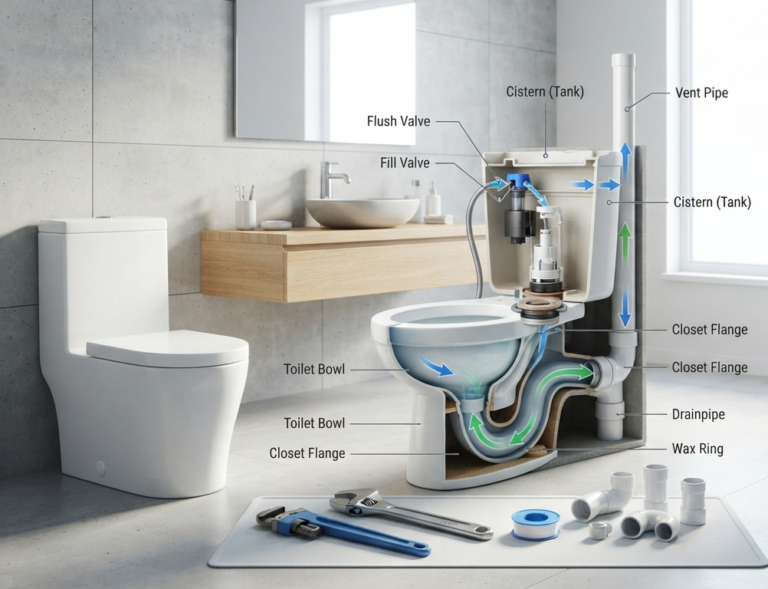
FIP fittings are commonly utilized in residential and commercial plumbing systems. They are often found in applications involving water supply lines, such as connections to faucets, toilets, and water heaters. The versatility of FIP fittings allows them to be used with materials like PVC, brass, and galvanized steel, making them ideal for various environments.
Installation Process
Installing FIP fittings requires careful preparation and the right tools. Here’s a simplified step-by-step guide:
- Ensure the pipe and fitting threads are clean and free of debris.
- Apply thread sealant or plumber’s tape around the male threads to prevent leaks.
- Carefully screw the FIP fitting onto the male end by hand to avoid cross-threading.
- Tighten the connection with a wrench, ensuring a snug fit without overtightening, which could damage the threads.
Advantages and Disadvantages of FIP
Pros of Using FIP
FIP fittings offer several advantages:
- Versatility: Compatible with various materials like PVC and brass.
- Durability: Provides a secure and long-lasting connection.
- Ease of Installation: Threaded design simplifies the installation process.
Cons and Limitations
Despite their benefits, FIP fittings also have some limitations:
- Potential for Leaks: Improper installation can lead to leaks.
- Material Compatibility: Not suitable for all pipe materials without proper adapters.
FIP vs. Other Pipe Connections
FIP vs. MIP
While FIP refers to Female Iron Pipe fittings, MIP denotes Male Iron Pipe fittings. The primary difference lies in their threading; FIP has internal threads, whereas MIP has external threads. Together, they form a complete threaded connection.
Comparison with Other Connections
FIP fittings are often compared to other connection types like NPT (National Pipe Thread). While both are threaded, NPT is a more standardized connection type, which might not always be interchangeable with FIP. It’s crucial to consider the specific requirements of your plumbing project when selecting fittings.
Maintenance and Best Practices
Maintenance Tips
Proper maintenance of FIP connections can prevent common issues. Regularly inspect for leaks and ensure connections remain tight over time. Additionally, replace any worn-out or corroded fittings promptly to maintain system integrity.
Common Issues and Solutions
Leaks are the most frequent issue with FIP fittings. These can often be resolved by reapplying thread sealant and ensuring the connection is properly tightened. If leaks persist, consider replacing the fitting or consulting a professional.
Future Trends in FIP and Plumbing Connections
As smart home technology advances, the integration of FIP fittings with intelligent plumbing systems is gaining traction. This includes smart water monitors and automated shut-off systems, which utilize FIP fittings for reliable connections. Additionally, there is a growing emphasis on using sustainable materials for FIP fittings, reflecting the broader trend toward environmentally friendly building practices.
FAQ
- What does FIP stand for in plumbing?
FIP stands for Female Iron Pipe, a type of threaded fitting used in plumbing. - How do you install FIP connections?
Installation involves cleaning the threads, applying sealant, and carefully tightening the fitting onto the pipe. - What are the benefits of using FIP fittings?
FIP fittings are versatile, durable, and relatively easy to install, making them ideal for many plumbing applications. - Are FIP and MIP fittings interchangeable?
No, FIP and MIP fittings are complementary but not interchangeable. FIP has internal threads, while MIP has external threads. - Can FIP fittings be used with all pipe materials?
FIP fittings work with various materials, but compatibility should be checked, especially with plastic pipes, to ensure a proper seal.
FIP fittings play a crucial role in creating secure and reliable plumbing connections. Understanding their uses, benefits, and limitations can significantly enhance the efficiency and safety of plumbing systems. Whether you are a homeowner, a professional plumber, or a DIY enthusiast, the knowledge of FIP fittings will serve as a valuable tool in your plumbing toolkit. Explore our other guides for more insights into plumbing systems and best practices.