What is an RPZ Valve in Plumbing? Understanding Its Role and Importance
In the realm of plumbing, ensuring the safety and cleanliness of water supply is paramount. One critical component in achieving this is the RPZ valve, a device designed to prevent backflow and protect potable water from contamination. Whether you’re a homeowner or a plumbing professional, understanding what an RPZ valve is and how it functions is essential for maintaining a safe and compliant plumbing system.
What is an RPZ Valve?
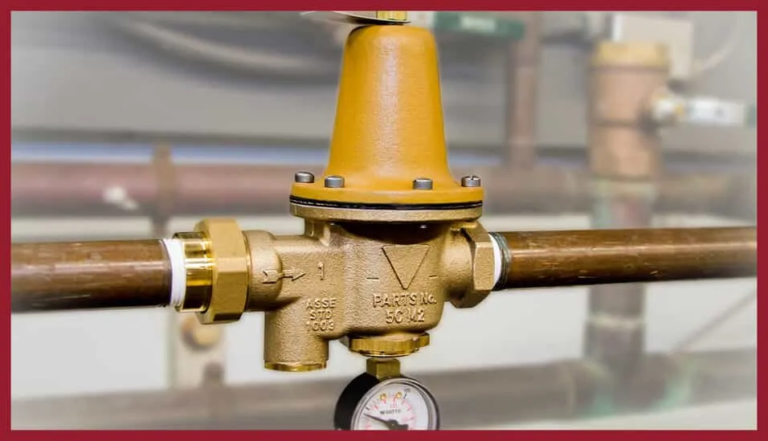
An RPZ (Reduced Pressure Zone) valve is a type of backflow prevention device used in plumbing systems to protect drinking water from contamination caused by backflow. Backflow occurs when the normal direction of water flow is reversed, potentially allowing contaminants from external sources to enter the potable water supply. RPZ valves are specifically designed to prevent this by maintaining a reduced pressure zone between two check valves.
How Does an RPZ Valve Work?
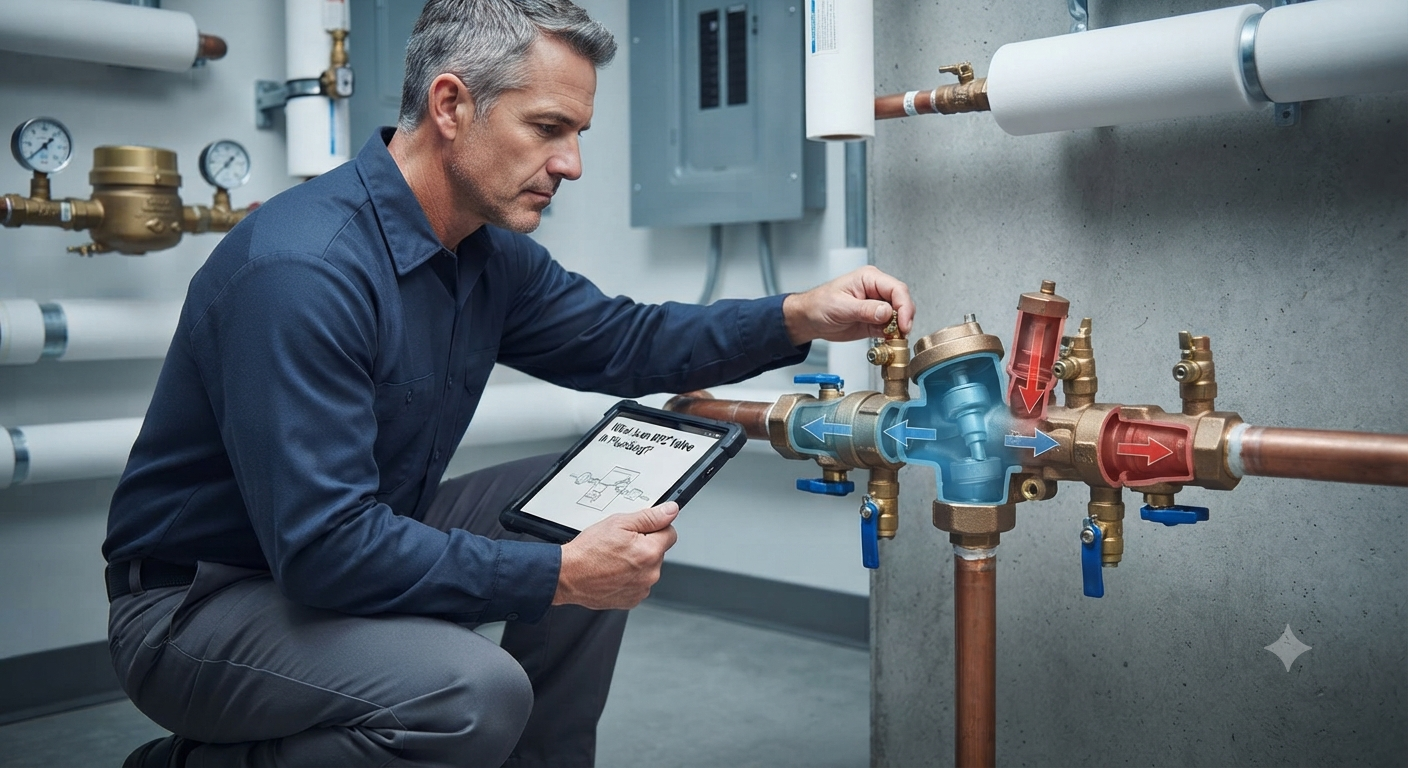
RPZ valves operate through a system of two independent check valves separated by a pressure relief valve. This configuration ensures that if one check valve fails, the pressure relief valve opens to discharge the contaminated water, maintaining a barrier against backflow. The reduced pressure zone between the check valves is the critical component that provides the necessary protection against contamination.
To better understand, imagine a situation where a sudden drop in pressure occurs in the main water supply line—perhaps due to a burst pipe. Without an RPZ valve, this could create a vacuum that pulls contaminated water back into the clean water supply. The RPZ valve’s design prevents this by venting any backflow through the relief valve, thereby safeguarding water quality.
Importance of RPZ Valves in Plumbing
The primary role of an RPZ valve is to prevent backflow, which is crucial for protecting public health. Backflow can introduce harmful substances into the drinking water supply, leading to serious health risks. By mitigating this risk, RPZ valves play a vital role in plumbing safety and cross-connection control.
Moreover, RPZ valves in plumbing are not just a matter of safety but also of compliance. Many local plumbing codes require the installation of backflow prevention devices like RPZ valves in commercial and residential settings, especially where there is a significant risk of cross-connections with non-potable water sources.
Installation and Maintenance of RPZ Valves
Proper installation and maintenance of RPZ valves are crucial for their effective operation. Here’s a step-by-step guide to ensure optimal performance:
Common Installation Mistakes
- Incorrect positioning: Ensure the RPZ valve is installed vertically and in the correct orientation.
- Inadequate clearance: Allow sufficient space for maintenance and testing.
- Improper sizing: Use the correct valve size for the specific application to avoid pressure loss.
Maintenance Checklist
- Regular inspections: Conduct routine checks for leaks and signs of wear.
- Annual testing: Most regulations require yearly testing by a certified professional to ensure functionality.
- Prompt repairs: Address any issues immediately to prevent system failure or contamination risks.
RPZ vs. Other Backflow Prevention Devices
While RPZ valves are highly effective, they are one among several types of backflow prevention devices. Other common devices include the double check valve and the atmospheric vacuum breaker. Each type has its specific applications and limitations:
- Double Check Valve: Less robust than RPZ valves, suitable for low-risk applications.
- Atmospheric Vacuum Breaker: Prevents back-siphonage but not back pressure, ideal for low hazard conditions.
Choosing the right device depends on the specific requirements of the plumbing system and the level of risk involved.
Legal and Safety Considerations
Relevant Codes and Standards
Compliance with local plumbing codes is mandatory for the installation of RPZ valves. These codes are designed to ensure that plumbing systems are safe and reliable, mitigating the risk of water contamination. It’s essential to consult with local authorities and adhere to the relevant standards when installing and maintaining RPZ valves.
Expert Insights
Plumbing professionals emphasize the importance of regular maintenance and testing of RPZ valves. According to industry experts, neglecting these tasks can lead to significant health and safety hazards. Ensuring that valves are functioning correctly not only protects water quality but also complies with legal requirements.
FAQs
- How do you test an RPZ valve? Testing involves checking the operation of the check valves and the pressure relief valve, usually performed by a certified technician.
- Why is an RPZ valve necessary? It prevents contamination of drinking water by blocking backflow, crucial for public health safety.
- Can I install an RPZ valve myself? While possible, professional installation is recommended to ensure compliance with local codes and proper functionality.
- What are the signs of a faulty RPZ valve? Common indicators include leaks, reduced water pressure, or unusual sounds during operation.
- How often should an RPZ valve be tested? Typically, annual testing is required by law, but check local regulations for specific requirements.
Understanding the functionality and importance of RPZ valves is crucial for anyone involved in plumbing, from homeowners to professional contractors. By ensuring proper installation, maintenance, and compliance, you can protect your water supply and contribute to public health safety. For more detailed guidance and support, consider consulting with a plumbing expert.